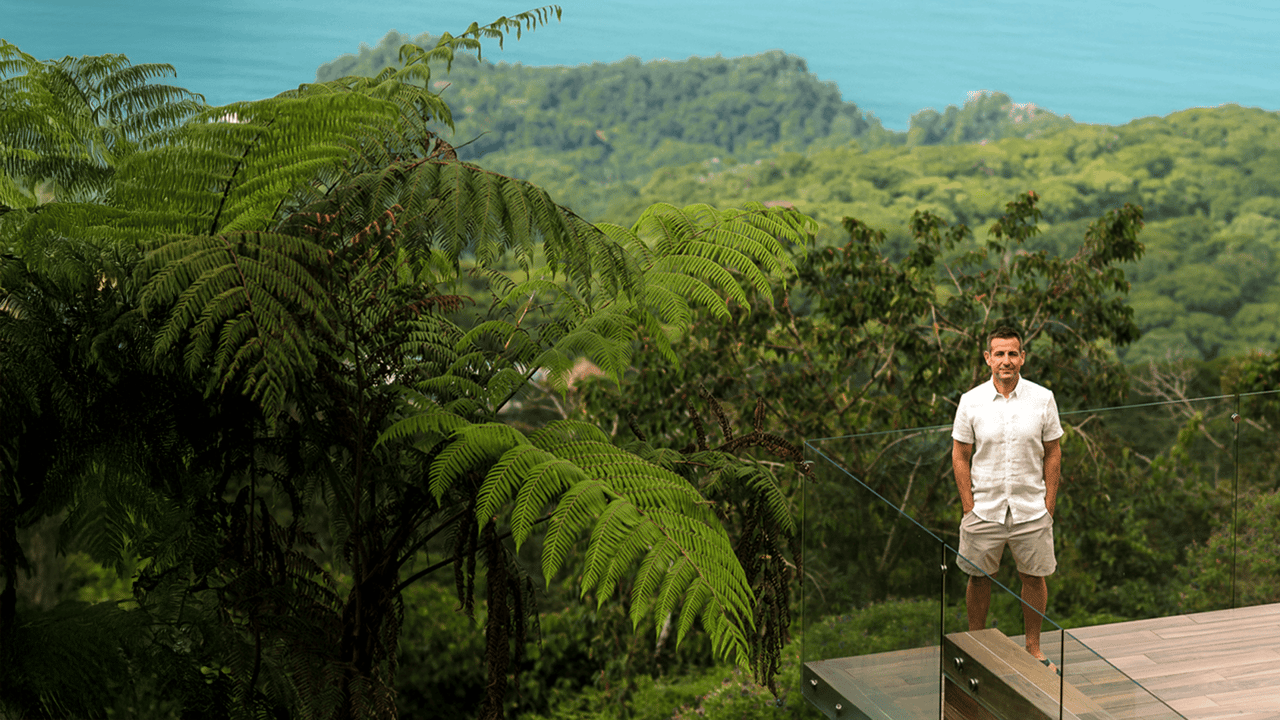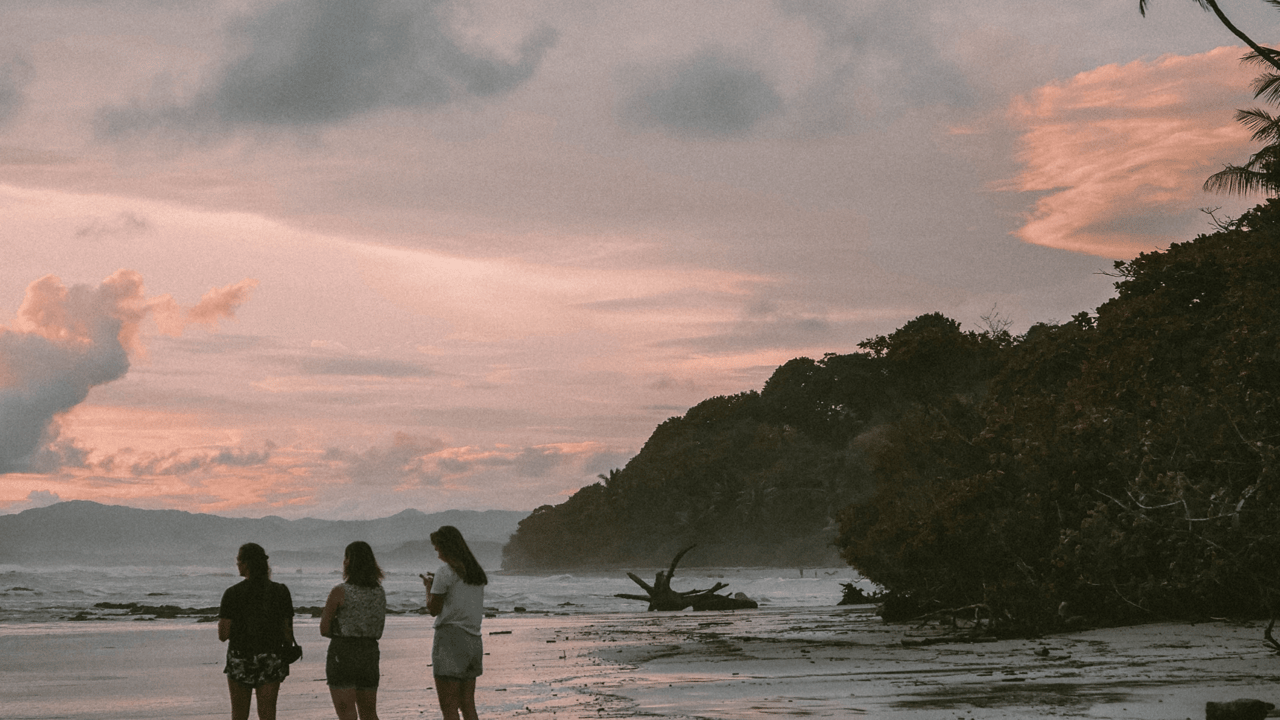
Peninsula Papagayo comes up in almost every conversation I have with buyers at the top of the Costa Rica market. Many of them have already stayed at one of the resorts, played the golf course, or spent a week on its beaches. Now they want to know whether it makes sense to own there.
I understand why. In more than 25 years in Costa Rica real estate, I have watched the northern Pacific coast change. Very few places here were planned with this level of care from the beginning.
The reasons buyers give me are remarkably consistent. They can fly into Liberia easily. They have access to a marina, a golf course, great restaurants and real resources for their children. And they can be private and secure, without feeling that people are on top of them.
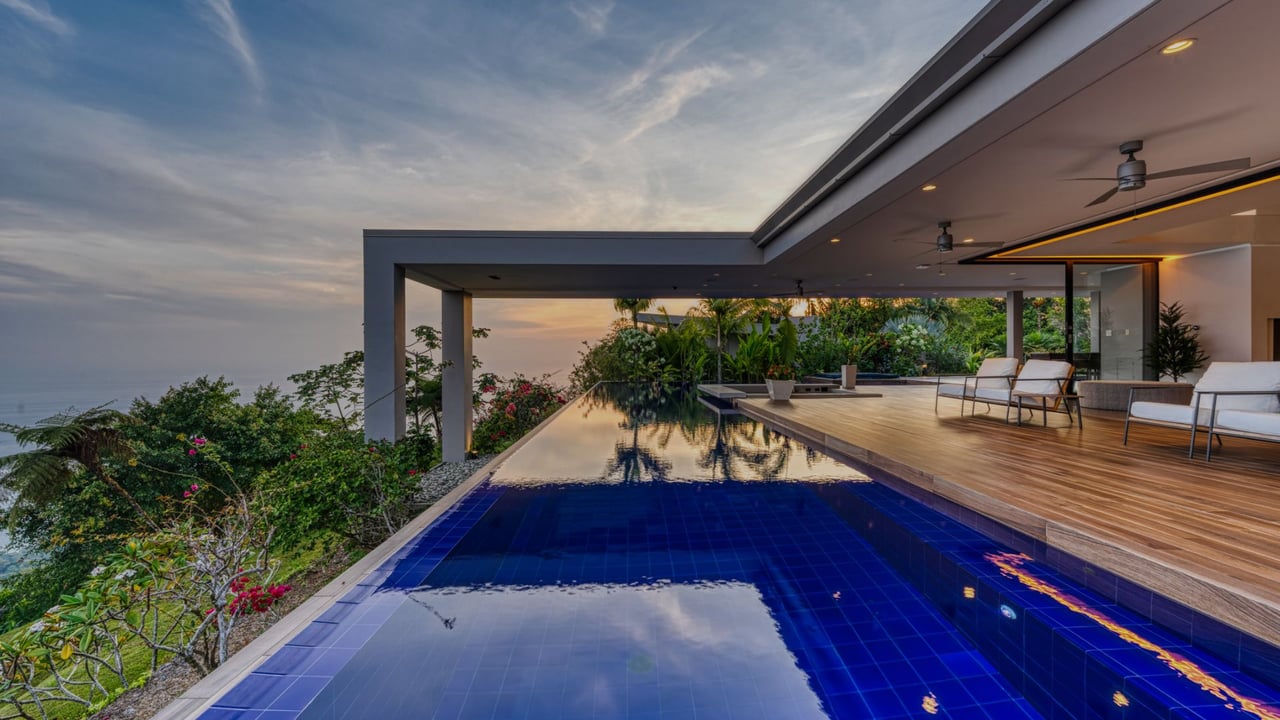
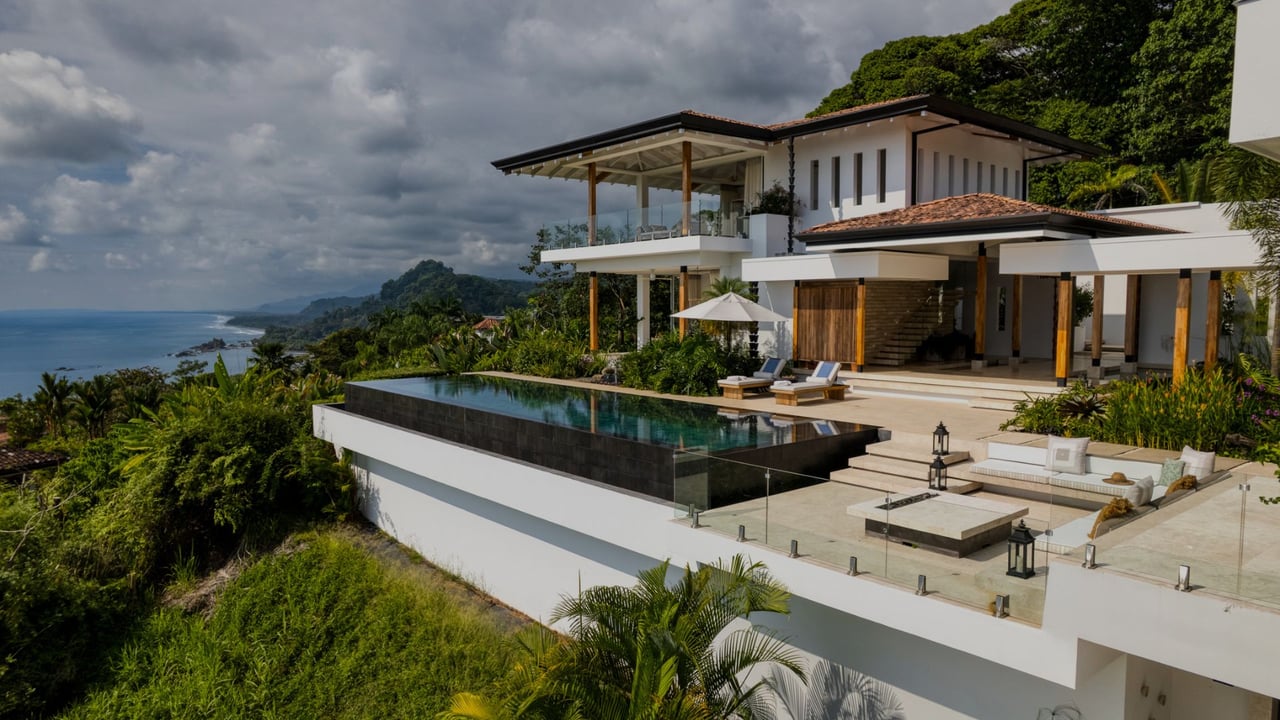
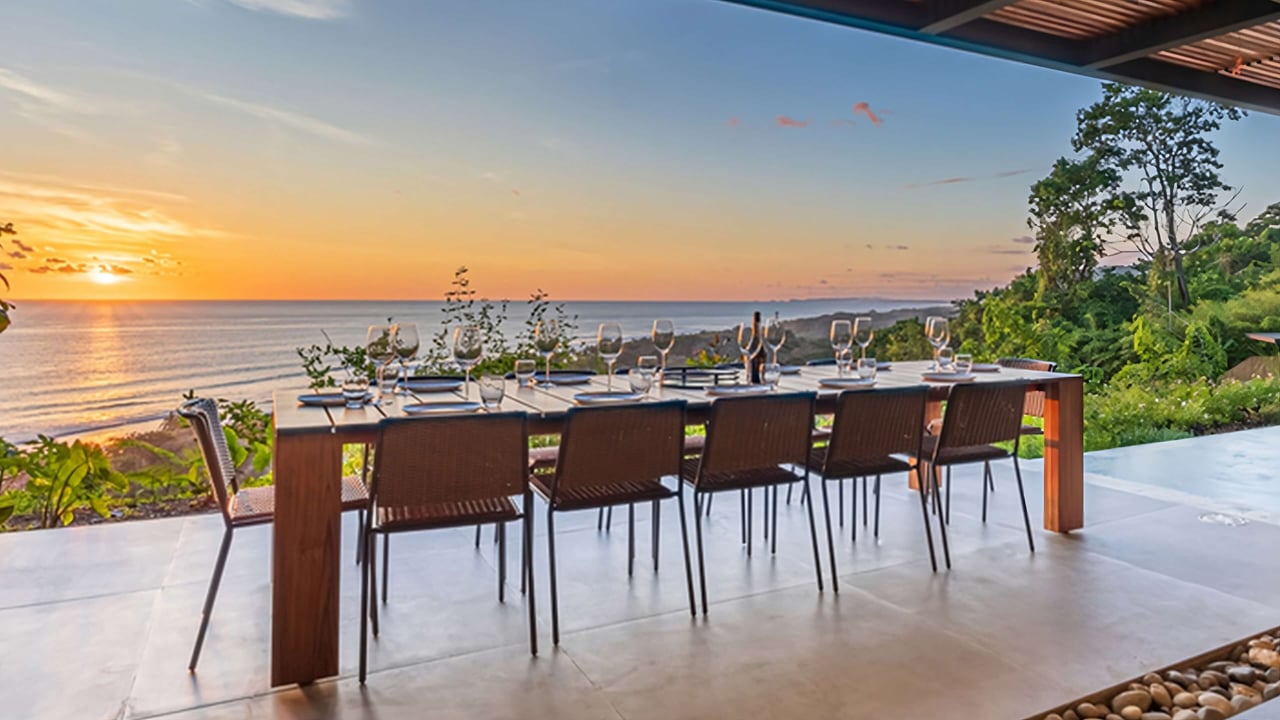
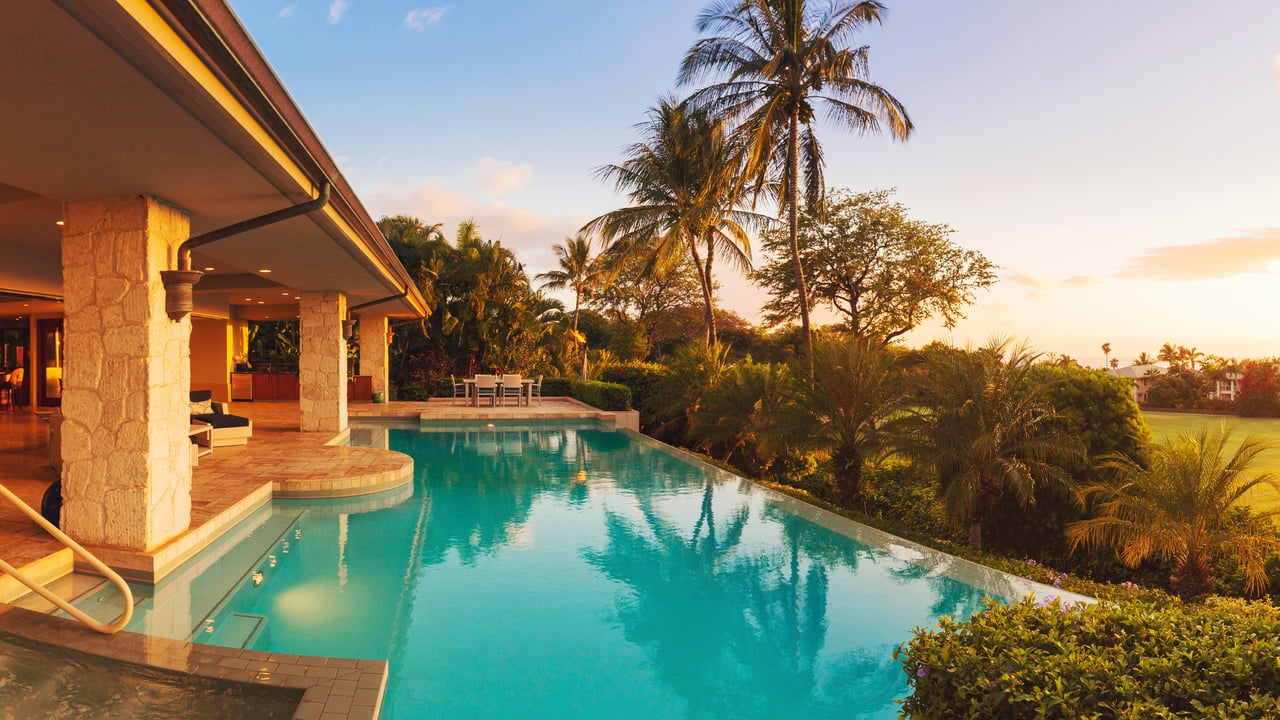
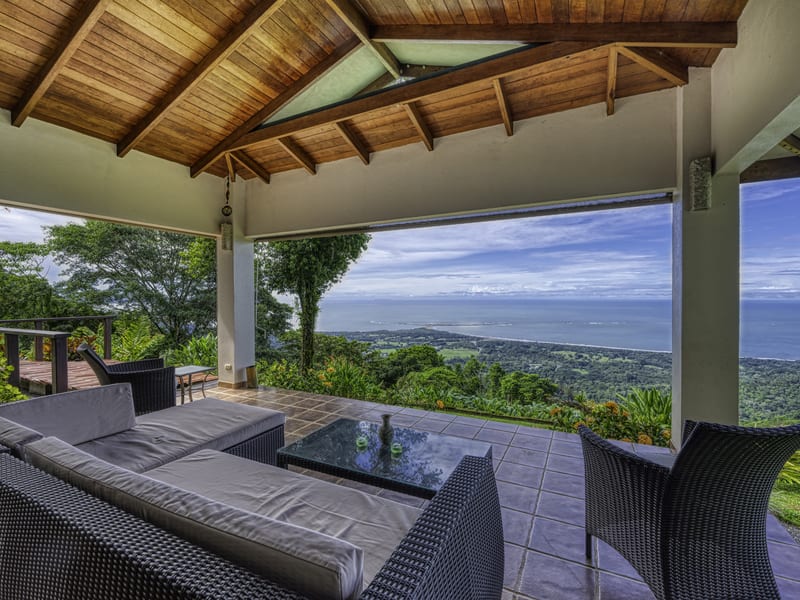
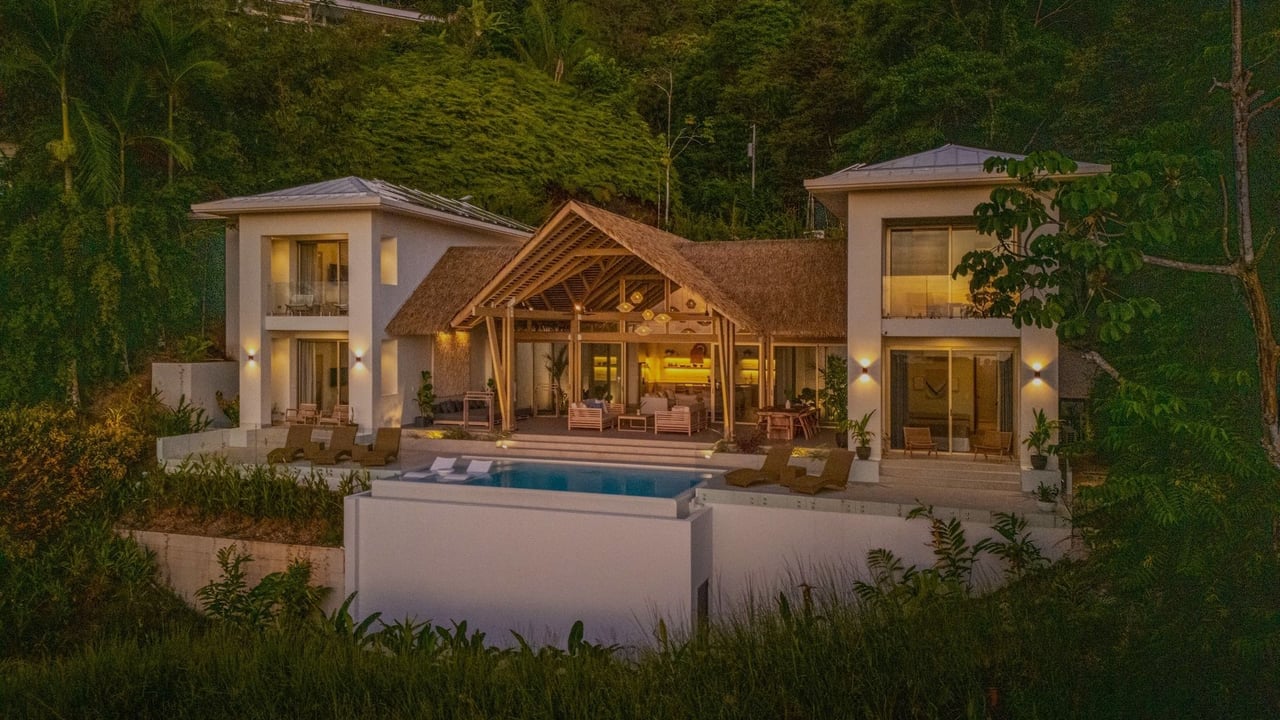
Peninsula Papagayo offers something rare in Costa Rica: resort service, easy access and genuine privacy within one planned community.
That combination is a very unique characteristic of the properties in this area. It is why the buyers I advise here increasingly come from New York, from across the United States and Canada, and from Europe.
A Rare Location, and Buyers Understand That
When buyers are looking at homes in this range, they understand they are looking at something unique. They are excited about it, and they should be.
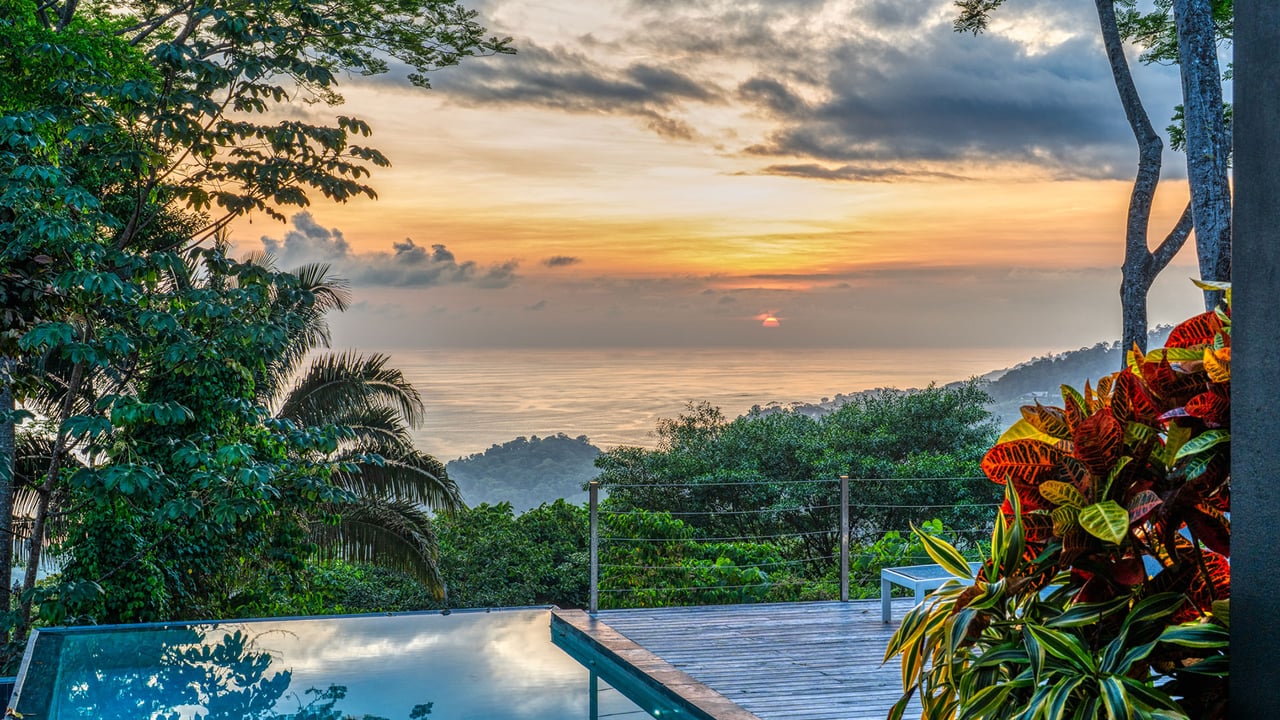
I often compare it to buying in Malibu, or in certain special areas of Europe. For the general lifestyle, the closest comparison I can make is Mallorca.
What makes Papagayo rare is not only the coastline. It is the way the peninsula was planned. The zone is developed under a low-density master plan, and large parts of the peninsula, including the Palmares Preserve and the golf course, are not residential land at all. Serious capital also keeps arriving, including a second Andaz residences neighborhood that recently broke ground.
That supports long-term value.
A rare location still has to be the right location for you. That is where my work begins.
What Buyers Ask Me First
The first question is usually about access. How quickly can I get from the airport to the house? Depending on the neighborhood, the community is about 30 to 45 minutes from Guanacaste Airport in Liberia.
The next question is whether they can rent the home when they are not using it. Rental options do exist here, through the Andaz and Four Seasons residence programs. In my experience, though, most high-net-worth buyers do not want to rent. They want to use the house and be there.
Many also ask what it would be like to spend longer stretches here, or even to retire here. Papagayo works well for that buyer because so much of daily life is already within the community.
And there is a constant question about who is in charge. Which company runs the project, and have there been any big changes? There has been one. In 2026, Mohari Hospitality became the sole owner of Peninsula Papagayo, and management responsibilities are moving to Mohari. The new owner has said it intends to keep investing in the peninsula.
These are the right questions, and the answers shape what I recommend.
How Daily Life Inside the Community Works
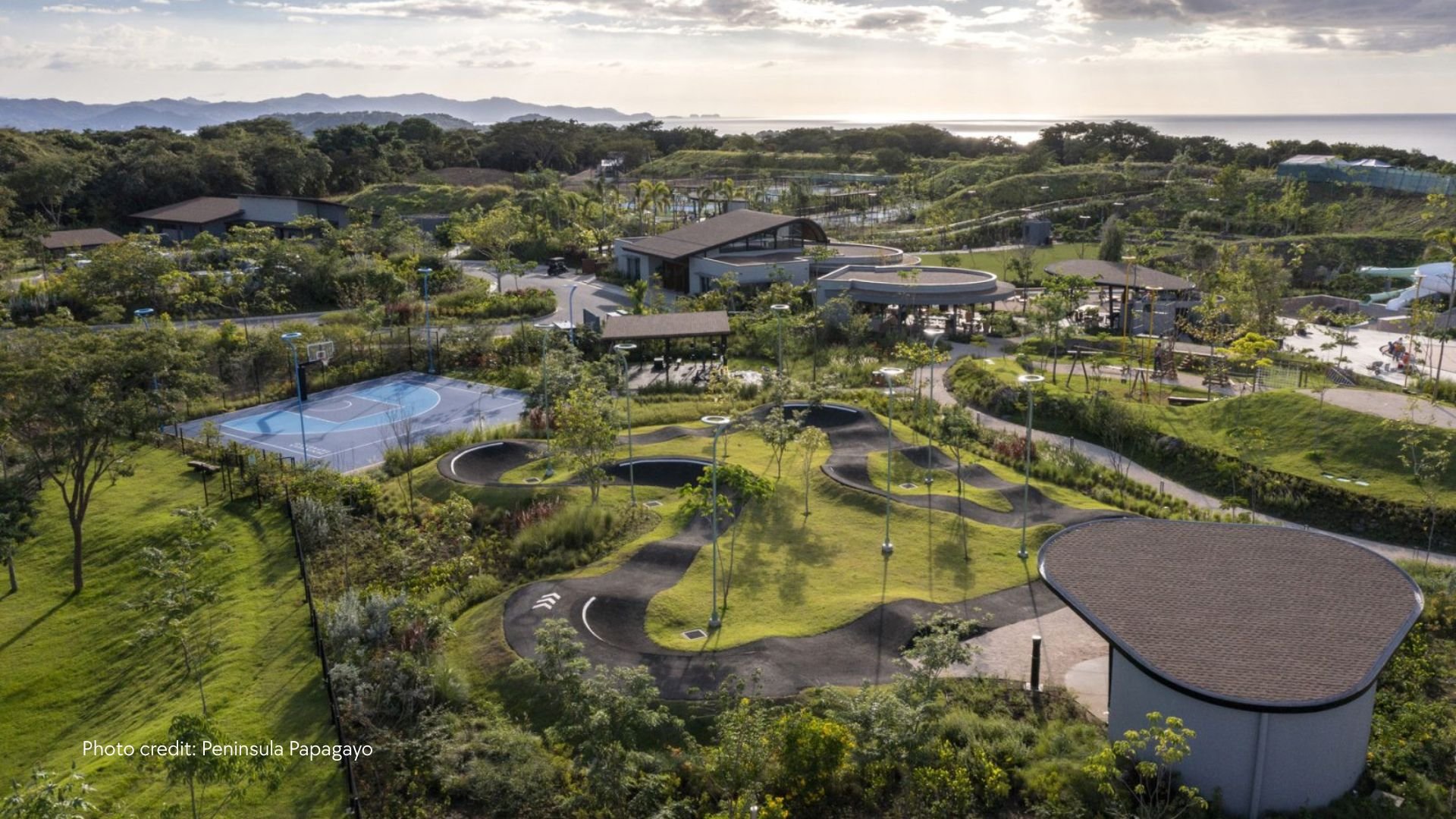
This is where Papagayo earns its reputation.
Three hotel operators anchor the peninsula: Four Seasons, Andaz and Nekajui. Nekajui is a Ritz-Carlton Reserve and the first Reserve in Central and South America. Around them sits a complete community. It includes an Arnold Palmer Signature golf course with ocean views from most holes, a deep-water marina for large yachts, beach clubs, restaurants and racquet courts. It also has Papagayo Park, a sports and wellness hub built for the people who live here.
Behind the scenes, a Master Association commissions the services that make life here easy: security, water distribution, waste collection and beach access. A design review board approves architecture, materials and landscaping across the peninsula, which keeps the community consistent over time.
For a family, that structure is the point. Children can use the park and the beaches. Friends can visit without you managing every detail. You can close the door, fly home and know the home is looked after.
The Club is open only to qualifying property owners, and membership is intentionally limited. That is part of what keeps the experience private.
Branded Residence or Private Home
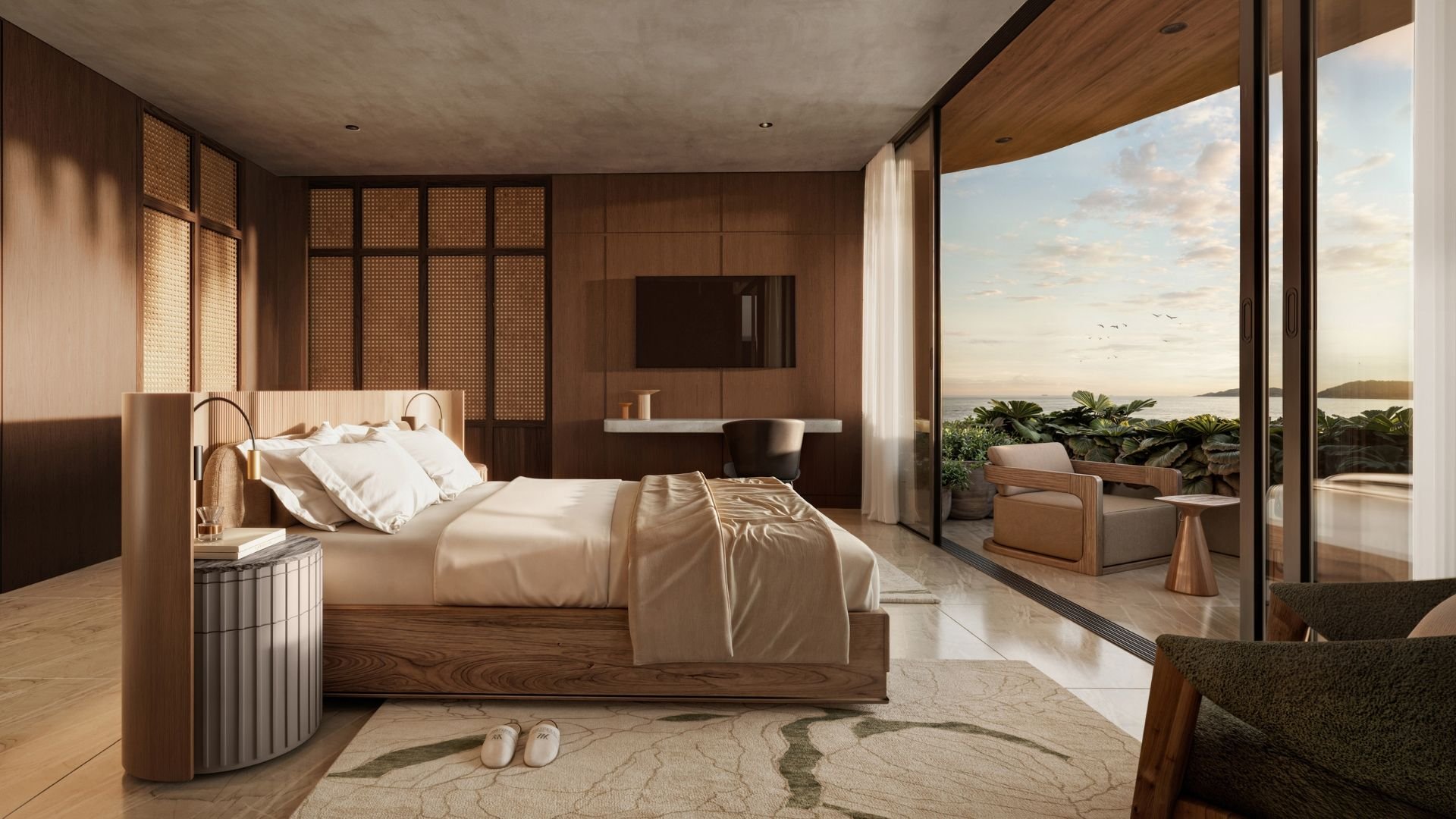
Buyers here usually choose between two models.
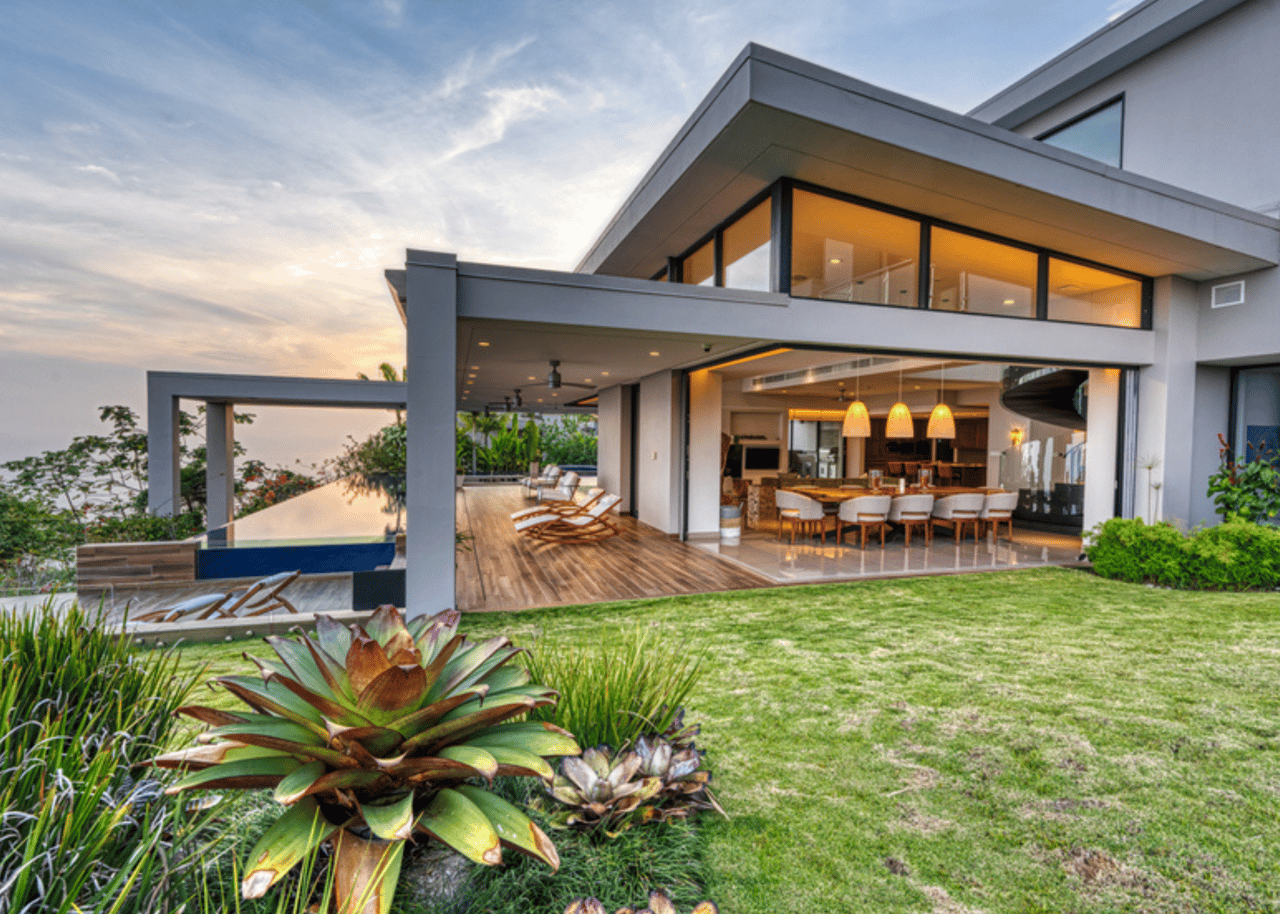
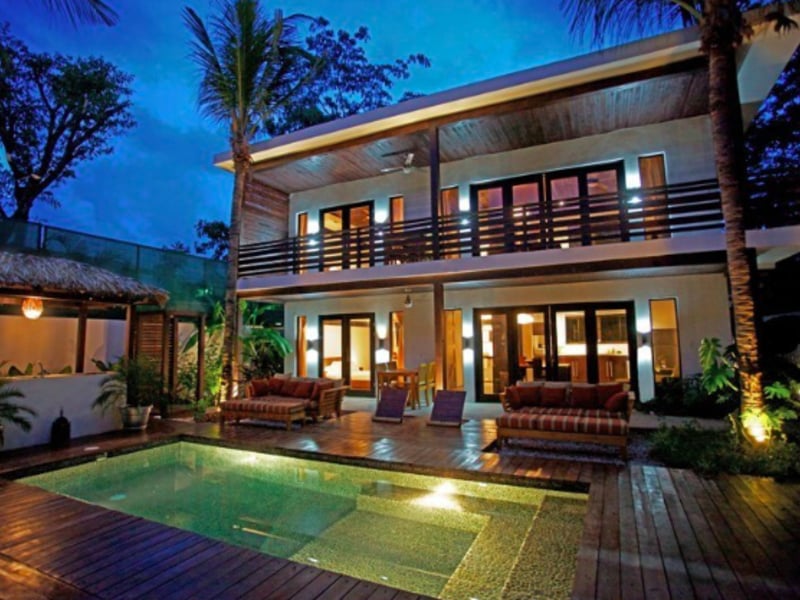
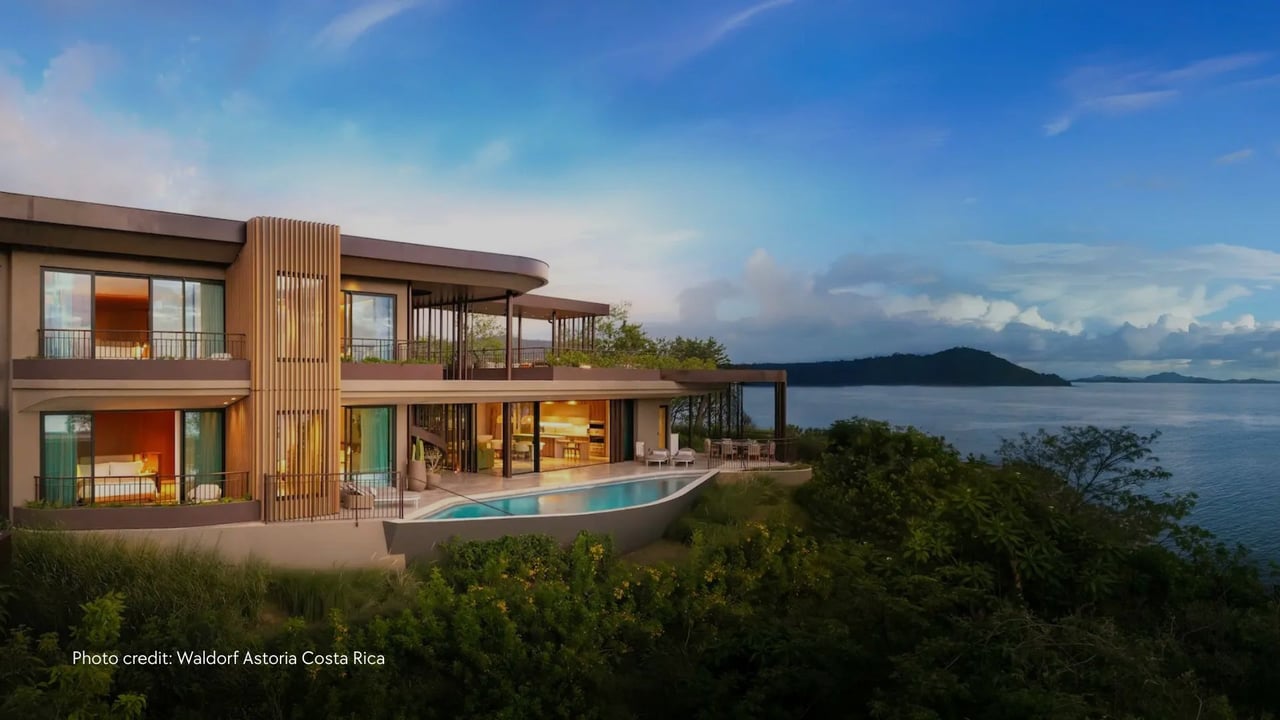
A branded residence is managed by the hotel operator. You get resort service, predictable maintenance and the standard of a brand you already know. At Andaz, for example, the resort manages day-to-day life in the residences.
We have many families looking for exactly that: a home they can come to every year and find ready. For many of them, it is also a wealth generation play. These are families who love to own residences under brands they trust, whether it is Four Seasons, the Ritz-Carlton or other brands around the world. Papagayo lets them add Costa Rica to that list.
A private home on the peninsula gives you more control and more personality. You manage it yourself, or through your own manager, within the community's guidelines. Its value rests on the land, the view and the quality of the construction.
Neither model is better. A family that wants to arrive and find everything ready is a different buyer from one that wants to shape a house over many years.
Getting There Feels Like Hawaii From California
Access is one of Papagayo's real advantages.
For buyers in North America, it is similar to getting to Hawaii from California. The airport in Liberia has nonstop flights from many cities in the United States and Canada, and new service from New York, Vancouver and Nashville begins this season. A long weekend becomes realistic, and that changes how often families actually use the home.
We are also seeing more interest from Europe, including England. Many of those routes are seasonal, and some buyers will still connect on the way. I want clients to plan around the flights they will actually take.
How I Help a Client Choose the Right Home
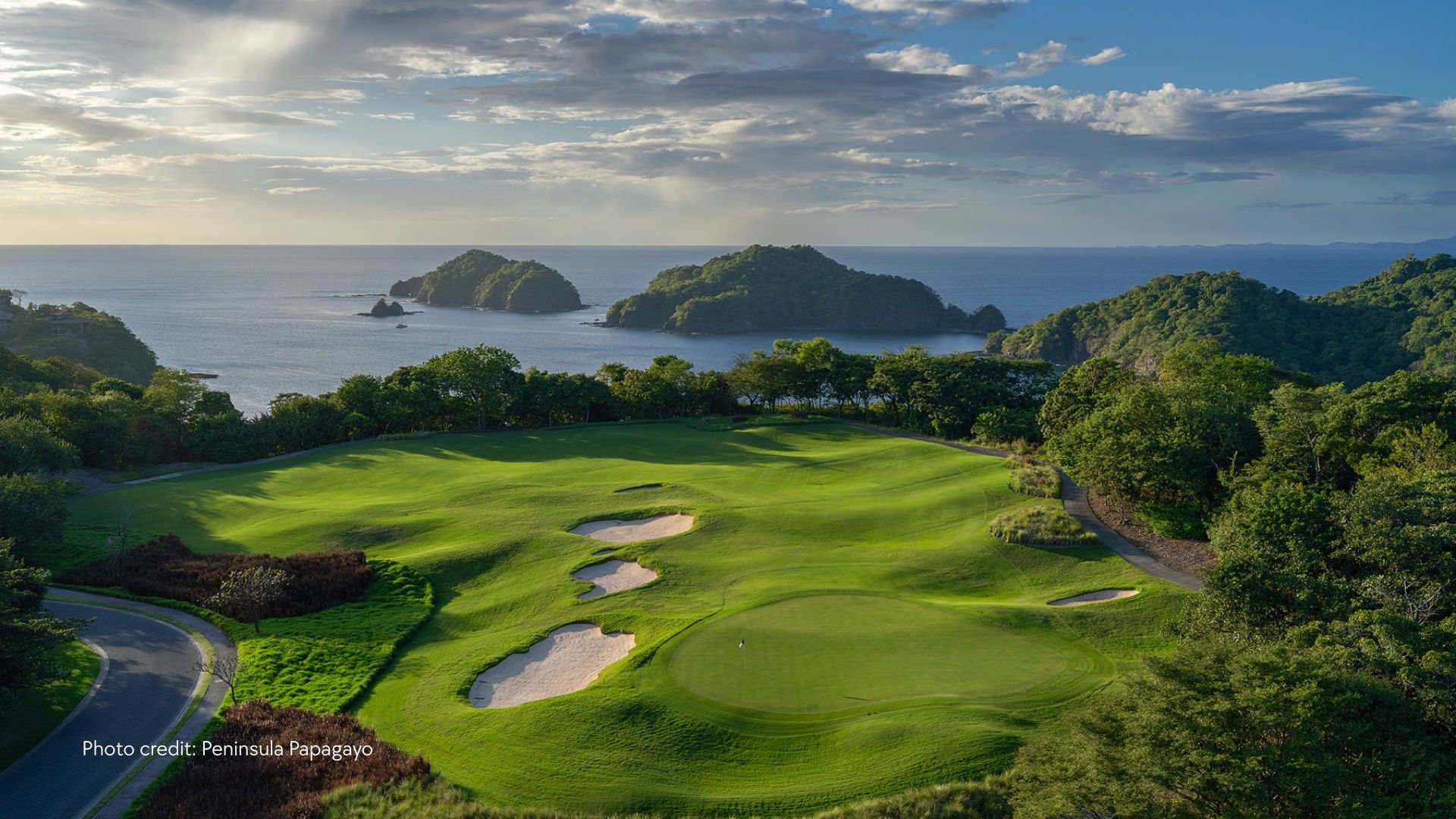
Before a client buys on Peninsula Papagayo, I want to understand how they will actually live here.
Are they golfers? Do they want to be close to the restaurants? Is the beach the center of their day, or do they prefer the more private cove areas? Will they bring their boat? The answers tell me which neighborhood makes sense, which home fits, and whether a branded residence or a private home is the better choice.
It also depends on the buyer and where they are coming from. Different homes meet different requirements for privacy, space and service, and a family from New York may want something very different from a family from Europe.
I would rather a client buy a home they will truly enjoy and can comfortably own, without depending on rental income. The legal and transaction details are important, and we coordinate them with the appropriate Costa Rican legal professionals. My role is to make sure the home itself is the right one.
Who Papagayo Is Right For
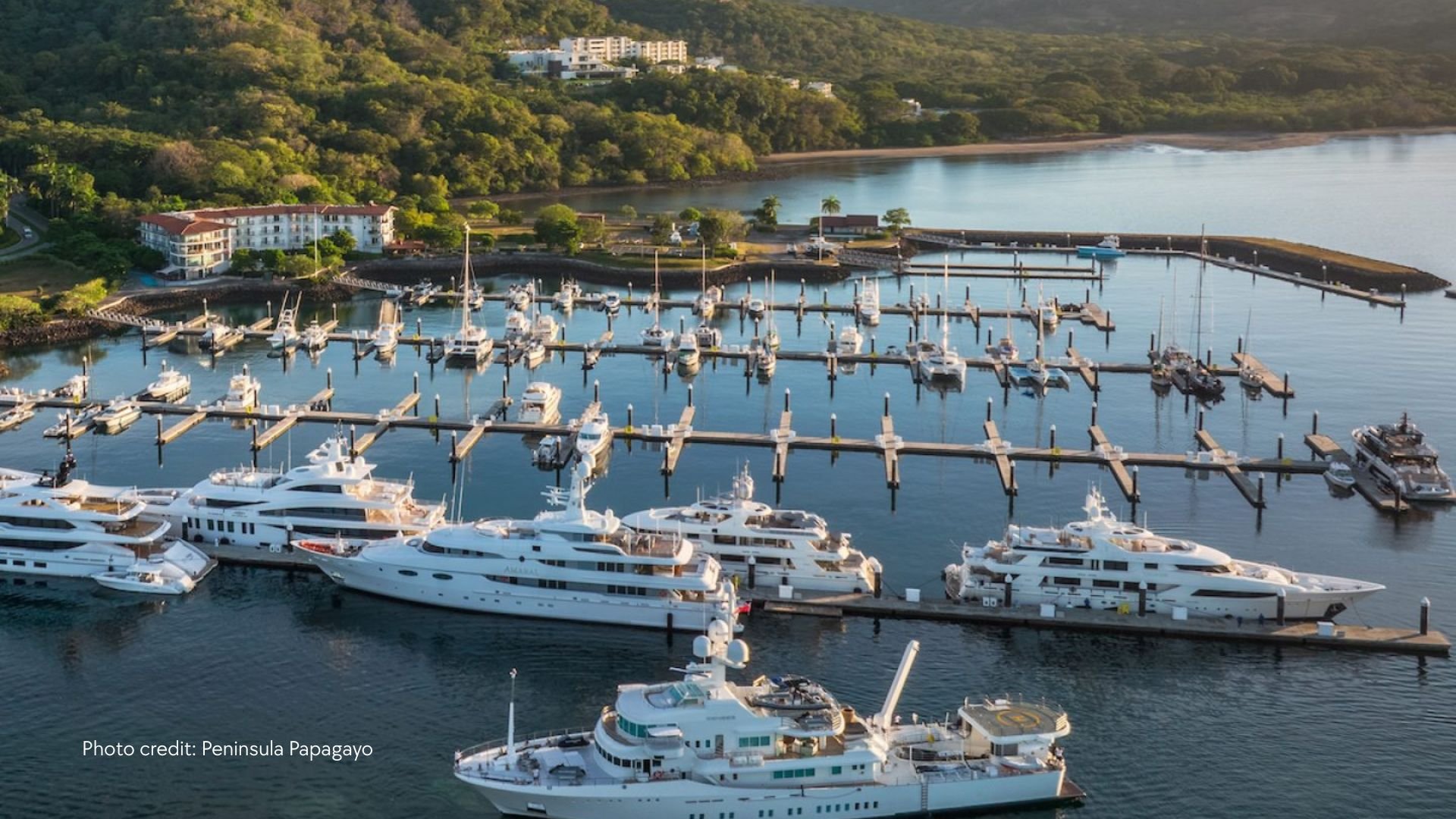
Papagayo makes sense for buyers who want resort service and a home they can lock and leave. It suits families who will actually use the club, the park and the beaches. It suits yacht owners, because deep-water marinas on this coast are rare. And it suits buyers who value a short, direct flight home.
Consider a buyer from Europe or the United States who wants a luxury home in Costa Rica to enjoy several times a year. They want privacy and security, but also access to restaurants, golf, the beach and property management. For that buyer, Peninsula Papagayo can be an excellent fit. They can arrive, enjoy their home and leave knowing it is being looked after.
It is less suited to a buyer who wants to walk into a town from their front door. Papagayo is a private, planned community, and that is exactly its appeal.
What Buyers Ask Me About Peninsula Papagayo
Can foreigners buy on Peninsula Papagayo?
Yes. Homes on the peninsula are sold as concession interests, and foreign buyers can hold them without the residency requirement that applies to standard beachfront concessions elsewhere in Costa Rica. Your attorney will confirm the details for your purchase.
Is Peninsula Papagayo real estate titled property?
No. The land is part of a government tourism zone, and buyers acquire a concession interest. That interest can be transferred and financed with the required approvals.
Are the beaches on Peninsula Papagayo private?
No. In Costa Rica the first 50 meters from the high-tide line are public. The community offers a private club and managed beach access.
Can I rent my home when I am not using it?
Rental options exist, including programs through Andaz and Four Seasons. Most of the buyers I advise here prefer to keep the home for their own use.
How far is Peninsula Papagayo from the airport?
About 30 to 45 minutes from Guanacaste Airport in Liberia, depending on the neighborhood. The airport has nonstop service from many U.S. and Canadian cities.
Who owns Peninsula Papagayo now?
Mohari Hospitality became the sole owner in 2026, and management responsibilities are transitioning to Mohari.
Can I live here for longer periods or retire on Peninsula Papagayo?
Many buyers spend longer stretches here because so much of daily life is within the community. If residency is part of the plan, an immigration attorney should review it with you.
Final Thoughts: A Rare Place, and the Right Home Within It
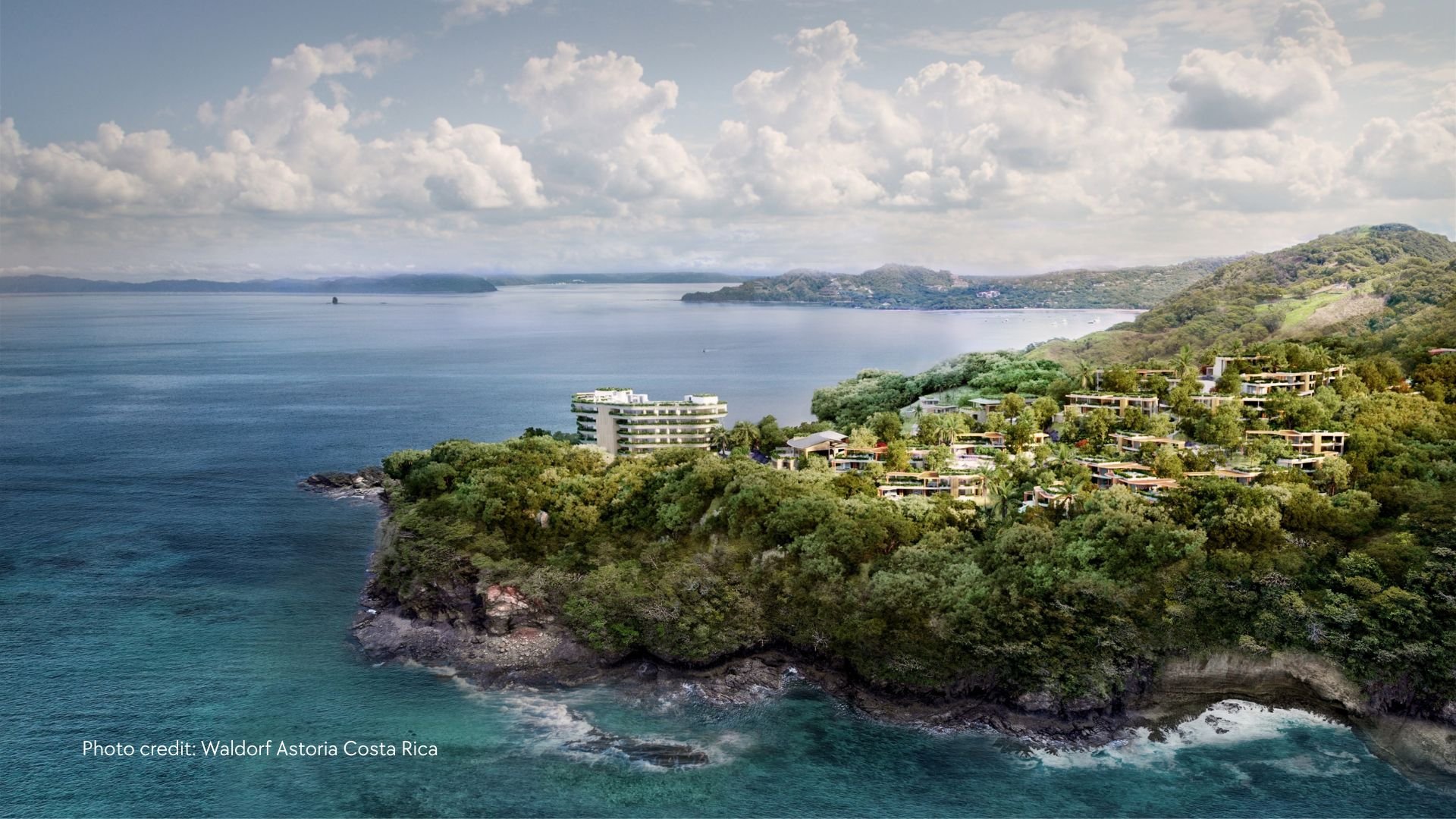
Papagayo has become one of the places the world now looks to in Costa Rica because it was built with intention: a master plan, strong operators and a community designed around how people actually live.
A rare location is what brings buyers here. The right home is what keeps them coming back.
If Peninsula Papagayo is on your list, I invite you to contact me directly. We can talk about your goals, how you plan to use the home, and whether Papagayo makes sense for you and your family.
Schedule a Private Consultation or review the Residence we have available inside Peninsula Papagayo.