Over the past several years, I have seen a significant shift in how cryptocurrency investors approach real estate.
The conversation is no longer simply about whether someone can purchase a property using Bitcoin. Increasingly, it is about what investors should do with the wealth they have created and how they can position themselves for the next chapter of their lives.
Many investors who have accumulated substantial wealth through Bitcoin and other digital assets are now considering something very different: owning tangible assets in desirable international markets.
Costa Rica has become part of that conversation.
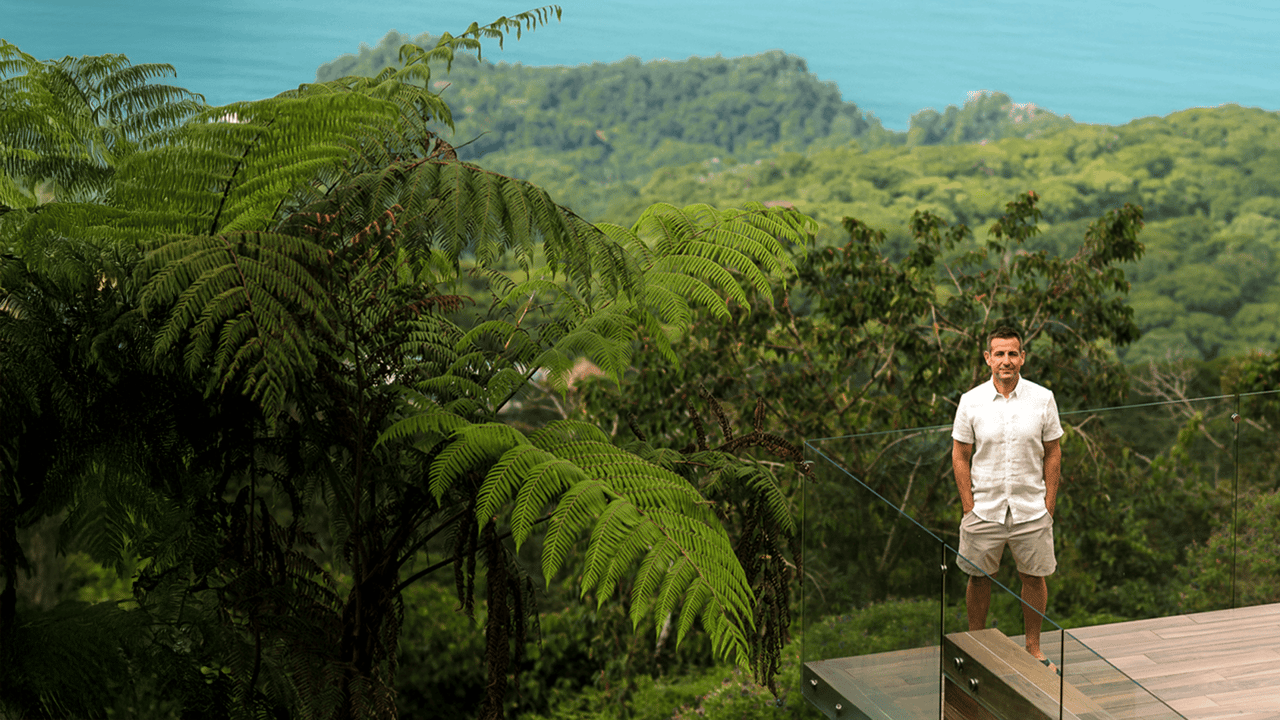
After more than 25 years working in Costa Rica real estate, I have seen the country evolve from a relatively undiscovered destination into an internationally recognized luxury market. Today, we are seeing sophisticated buyers look beyond traditional investment markets in the United States and Europe, searching for opportunities that combine financial diversification, lifestyle, privacy, and long-term ownership.
For cryptocurrency investors, Costa Rica offers an interesting combination of these qualities.
But as I tell my clients, the ability to purchase real estate with Bitcoin does not automatically make a property a good investment.
The opportunity begins with understanding the market, identifying the right asset, and structuring the transaction correctly.
Why Cryptocurrency Investors Are Looking Beyond Digital Assets
Bitcoin has fundamentally changed the way many investors think about wealth.
It has created opportunities for individuals to build significant financial positions outside traditional investment structures. At the same time, the volatility associated with digital assets has encouraged some investors to consider how they want to diversify their holdings.
I believe that diversification should involve more than simply moving money from one financial instrument to another.
For certain investors, owning real estate in a desirable international destination offers something that digital assets cannot provide: a physical property that can be enjoyed, developed, rented, or passed down to future generations.
There is an important distinction between financial wealth and lifestyle wealth.
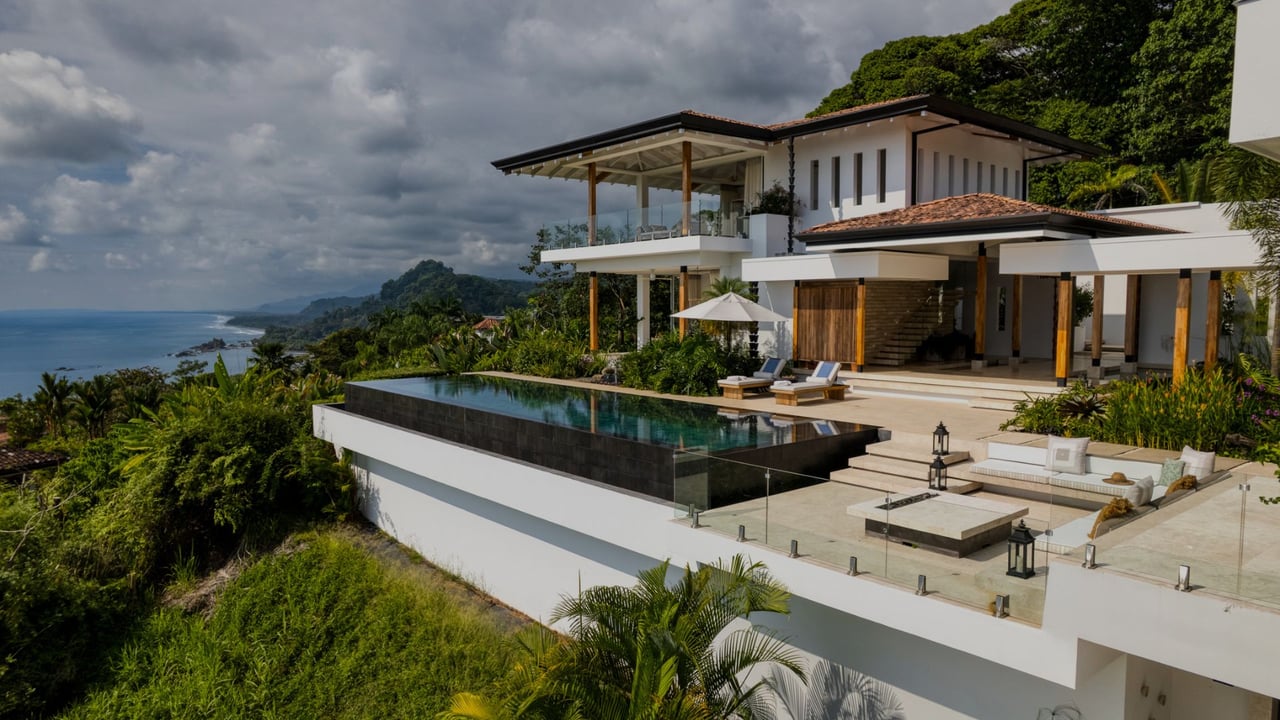
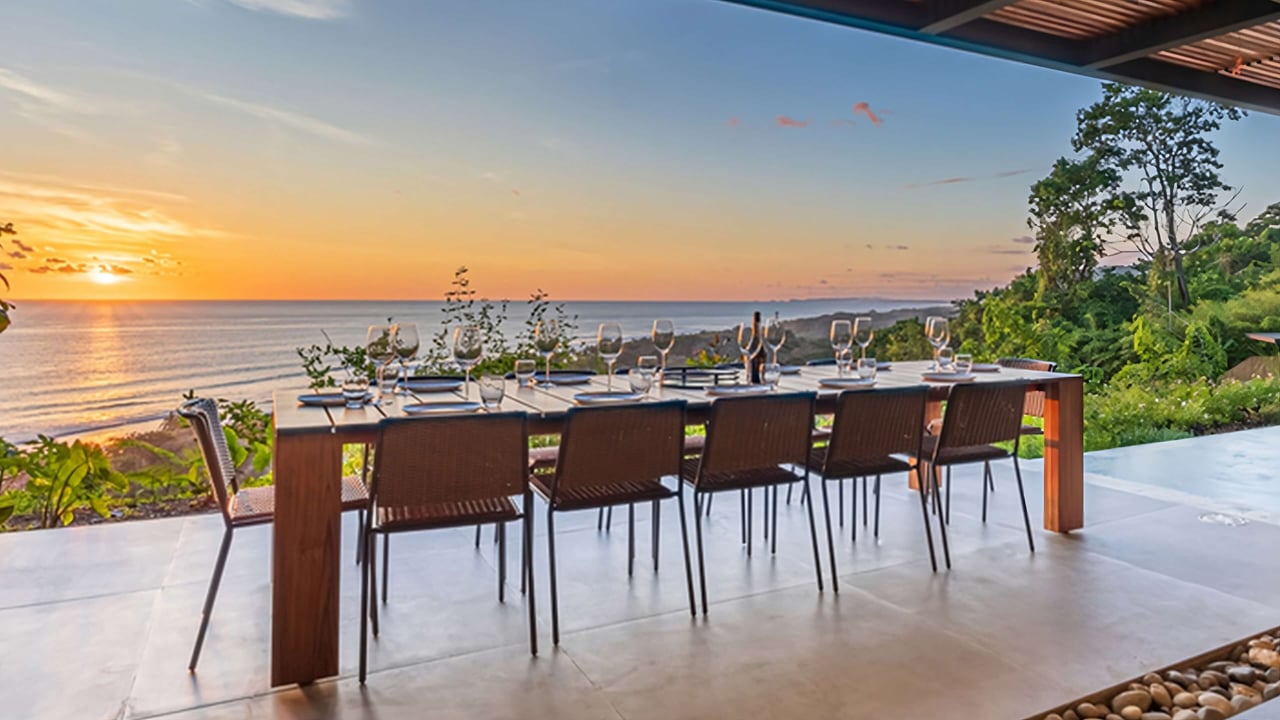
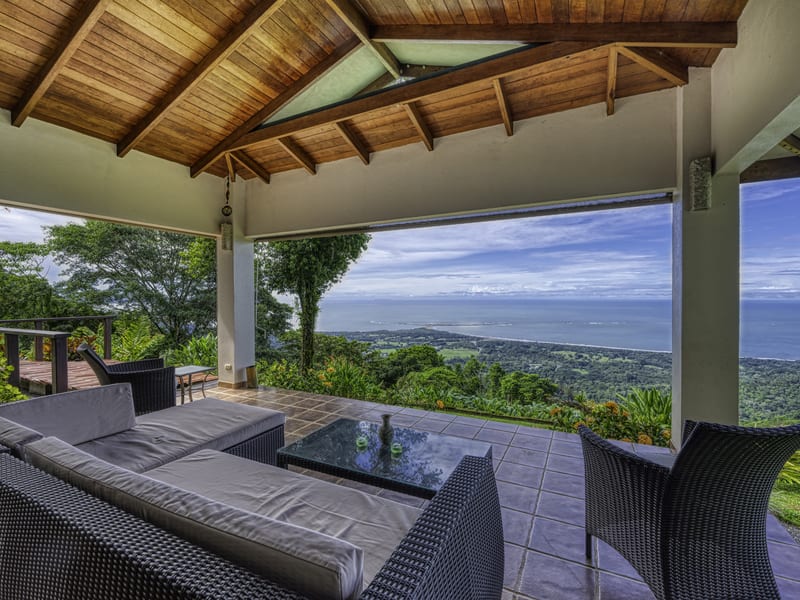
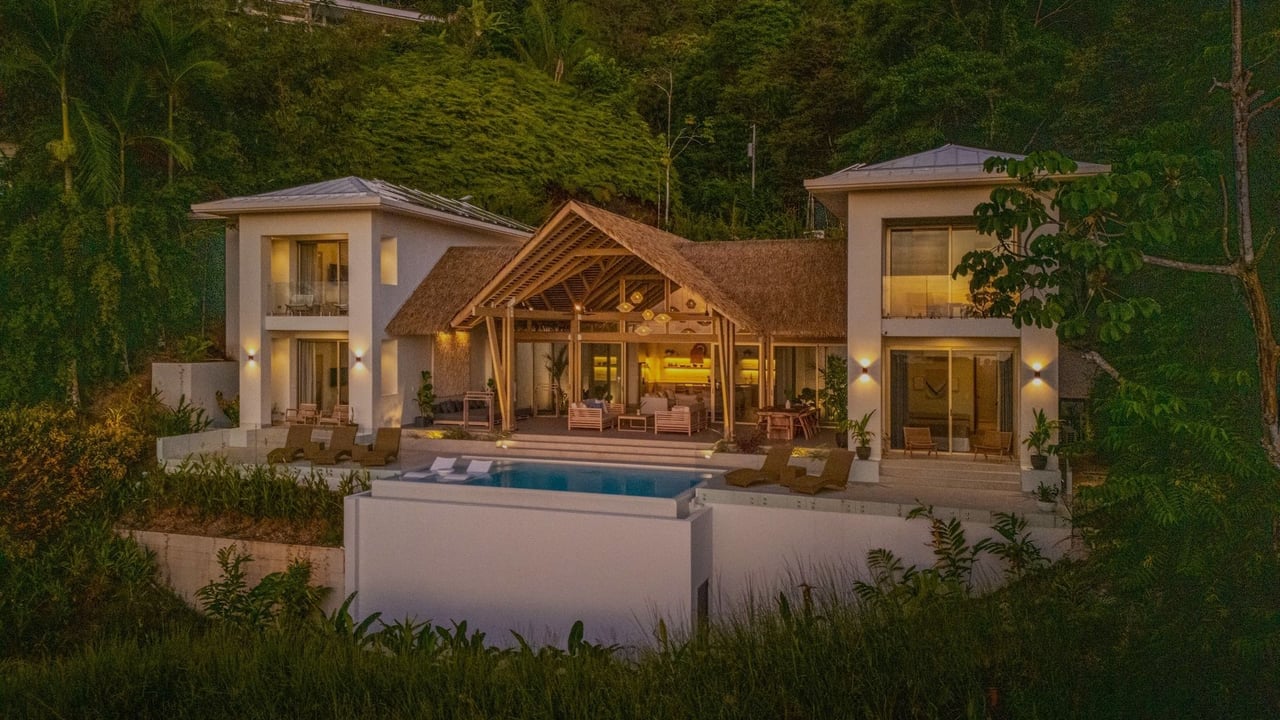
A Bitcoin portfolio may represent significant financial value, but a luxury residence overlooking the Pacific Ocean can provide something entirely different.
It can become a family retreat, a second residence, or an asset that serves both personal and investment objectives.
That does not mean real estate is without risk. Unlike Bitcoin, property is relatively illiquid, requires ongoing maintenance, and is subject to local market conditions.
The key is understanding how the two asset classes can complement each other within a broader investment strategy.
Why Costa Rica Is Attracting International Wealth
Costa Rica has several characteristics that continue to attract international buyers.
The country has a long democratic tradition, an established legal framework for property ownership, and a lifestyle that appeals to individuals seeking a different pace of life.
Foreign investors can generally purchase and own titled real estate with rights comparable to Costa Rican citizens, although important exceptions apply to certain coastal properties and other restricted areas.
The luxury real estate market is also predominantly priced in US dollars, making it relatively straightforward for international investors to evaluate opportunities.
But the country’s greatest advantage may be something that cannot be measured entirely through financial analysis.
Costa Rica offers an extraordinary combination of natural beauty, biodiversity, privacy, outdoor recreation, and access to established luxury communities.
For many of the buyers I advise, the decision is not simply about purchasing another investment property.
It is about creating a different lifestyle while maintaining ownership of an asset in an internationally desirable market.
I have seen buyers who initially approached Costa Rica as an investment destination eventually make it an important part of their family’s life.
That is a powerful consideration when evaluating the long-term value of ownership.
Where I See Opportunities in Costa Rica’s Luxury Market
One of the biggest mistakes international buyers make is treating Costa Rica as a single real estate market.
It is not.
Each region has its own characteristics, infrastructure, development patterns, pricing, and buyer demographics.
Understanding these differences is essential, particularly for investors entering the country for the first time.
Papagayo Peninsula and Guanacaste: Established International Luxury
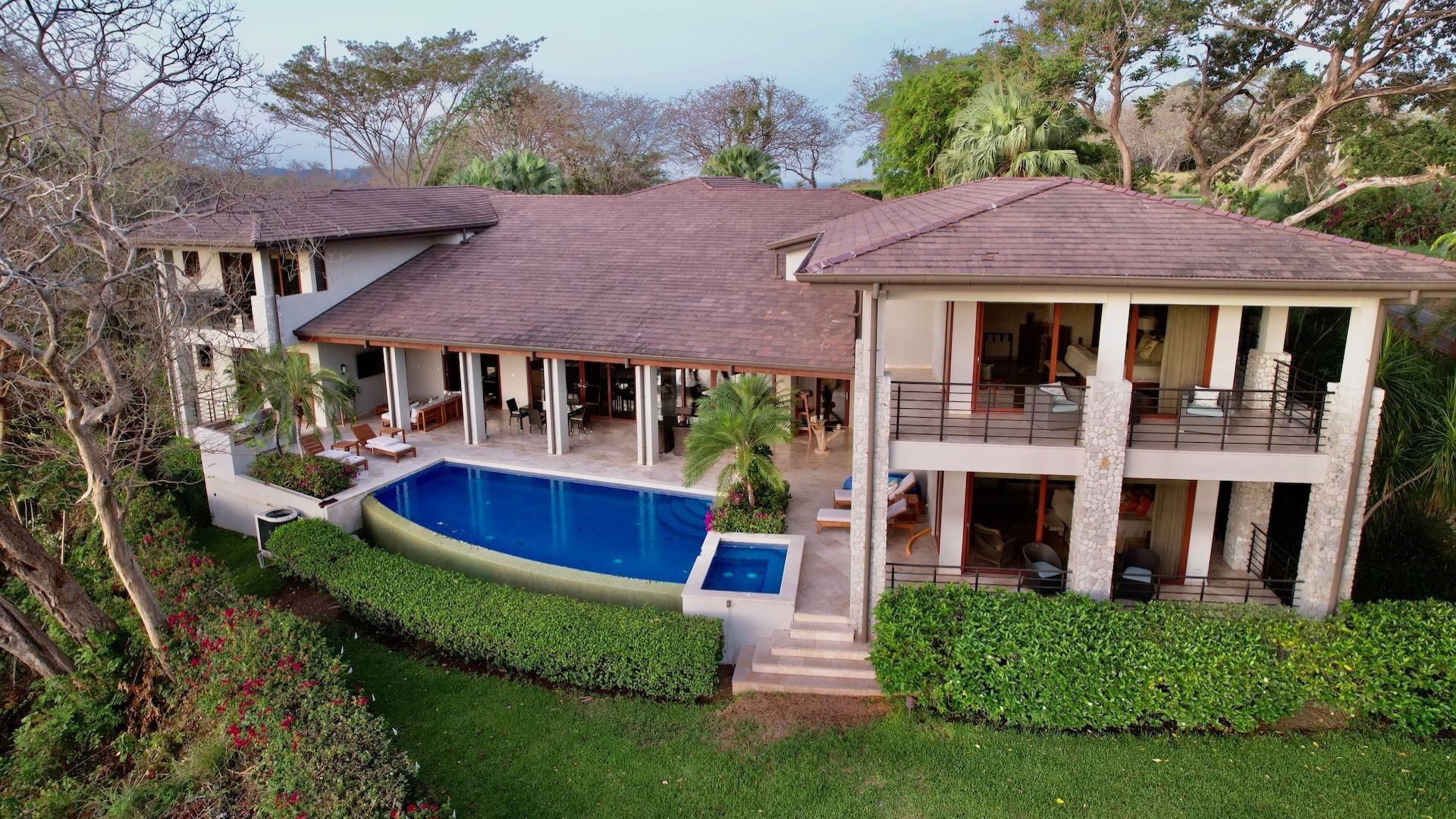
The Papagayo Peninsula has emerged as one of Costa Rica’s most internationally recognized luxury destinations.
The presence of established hospitality brands, resort communities, private residences, and high-quality amenities has helped position the region among the country’s premier luxury markets.
For investors accustomed to established international luxury destinations, Papagayo offers a familiar level of service, infrastructure, and exclusivity.
Communities associated with Peninsula Papagayo, along with luxury developments throughout Guanacaste, appeal to buyers seeking professionally managed environments and access to resort amenities.
I see this region as particularly relevant for investors who prioritize established luxury infrastructure and international accessibility.
However, investors should carefully evaluate acquisition costs, ownership expenses, community restrictions, and the long-term supply of competing properties.
Santa Teresa and Nosara: Lifestyle-Driven Luxury
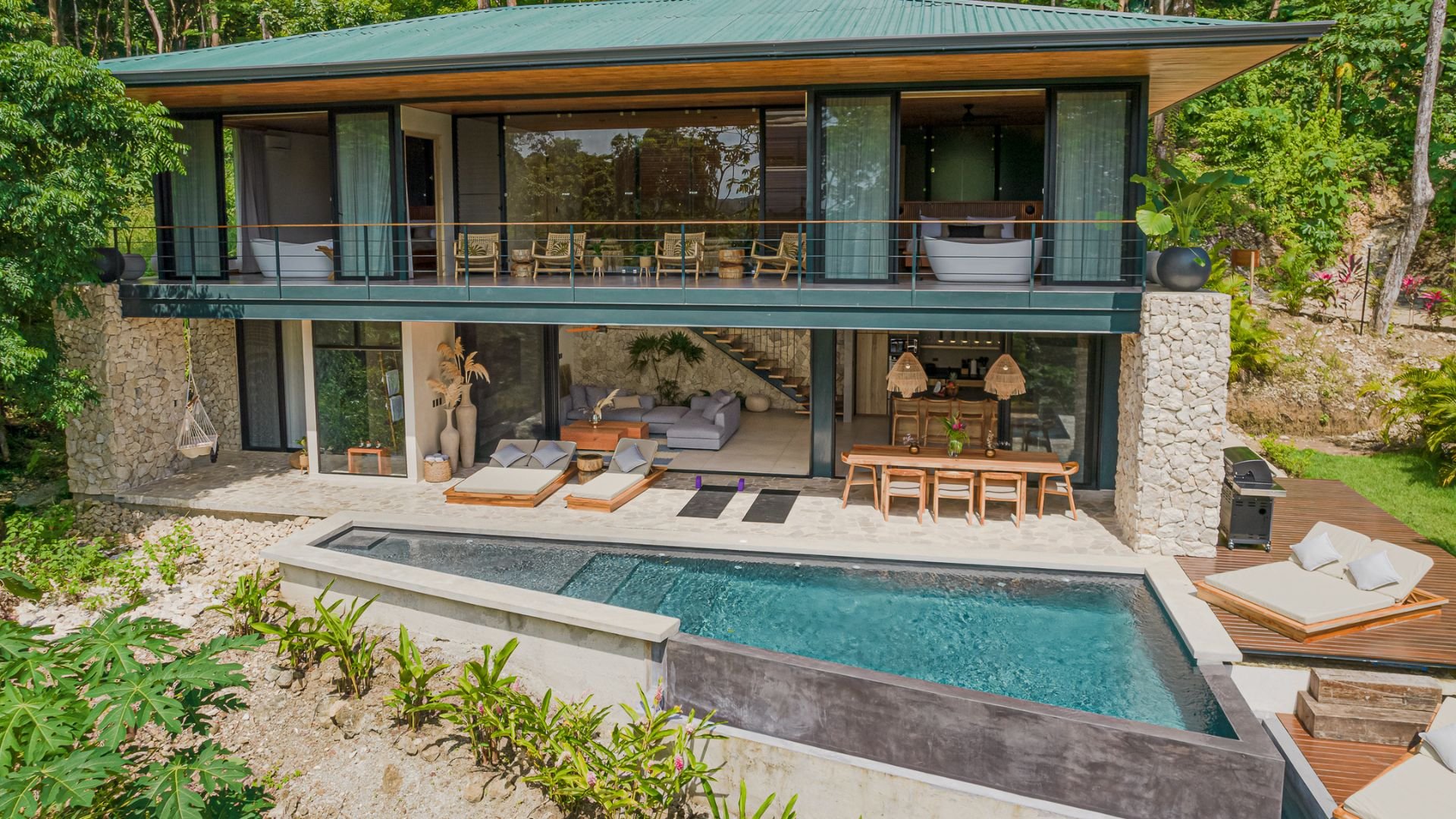
Santa Teresa and Nosara represent a different segment of the Costa Rican luxury market.
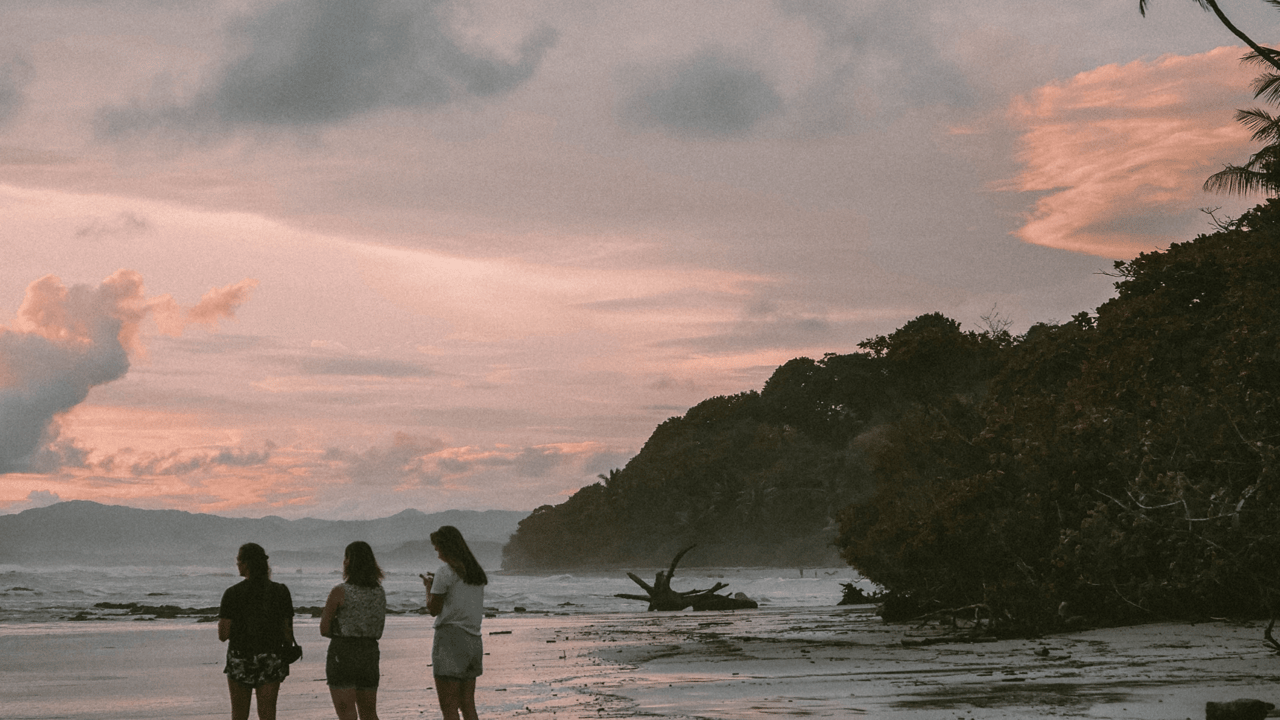
Both destinations have attracted international entrepreneurs, investors, and families who value surfing, wellness, privacy, and a more relaxed coastal lifestyle.
Over time, demand has supported the development of increasingly sophisticated luxury homes and residential communities.
These markets appeal to buyers who want more than a conventional vacation residence.
They want a connection to the destination and its lifestyle.
At the same time, buyers must understand that infrastructure, road access, water availability, and development restrictions can vary considerably between individual properties.
In markets where natural beauty is a major part of the appeal, environmental and development due diligence becomes especially important.
Dominical, Uvita, and the Southern Pacific: Privacy, Land, and Long-Term Potential
The Southern Pacific region is particularly interesting because it offers a different balance of luxury, privacy, natural surroundings, and property size.
Areas such as Dominical, Uvita, and Ojochal have attracted buyers looking for ocean-view estates, architectural residences, larger landholdings, and development opportunities.
Having spent much of my career working in this region, I have watched the market evolve considerably.
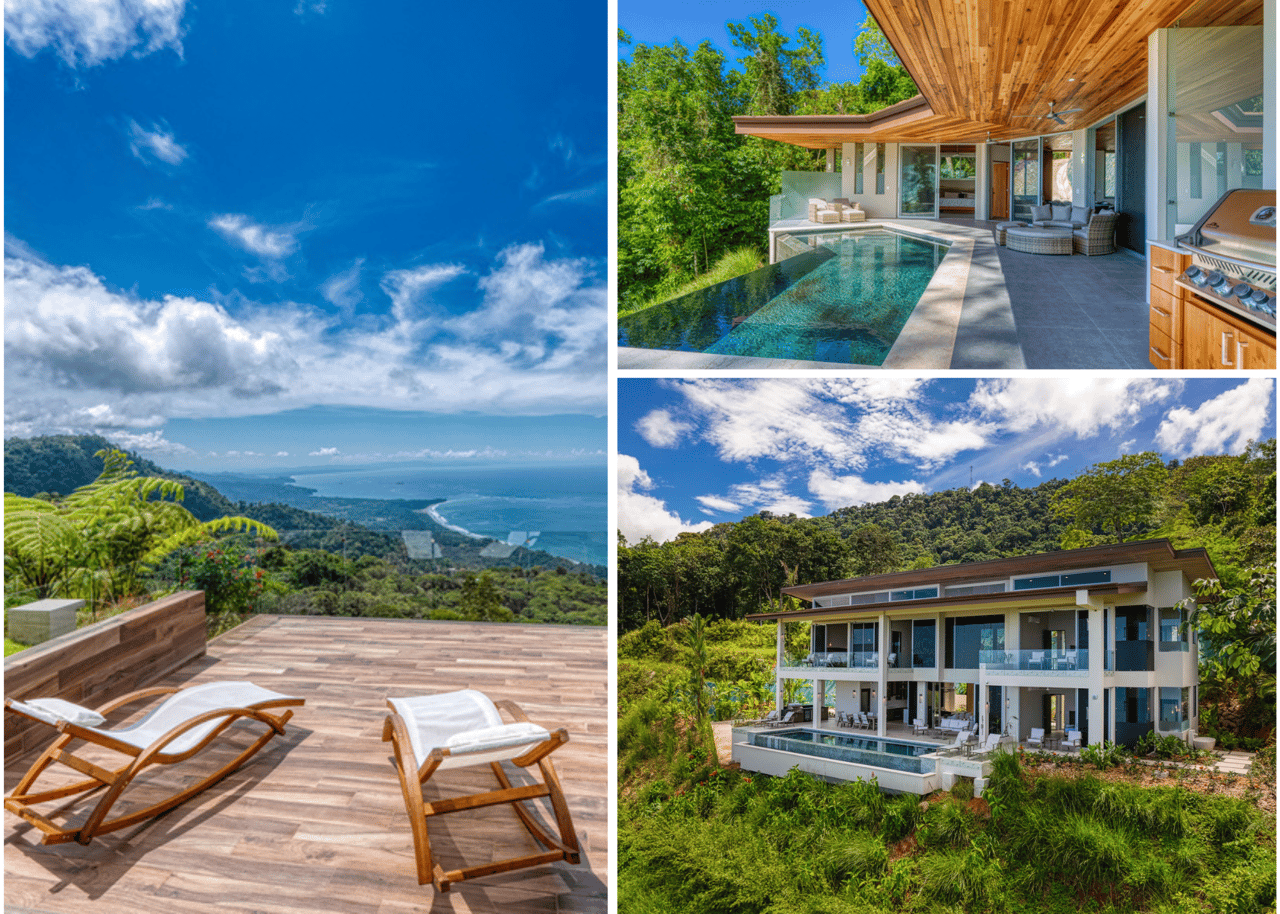
Today, buyers can find properties with exceptional design, privacy, and views that may offer compelling value relative to the cost of acquiring land and constructing a comparable residence.
In certain situations, existing homes are being offered at prices that deserve serious consideration when compared with current replacement costs. I explained more about this in what I tell my clients before they buy in Costa Rica.
That does not mean every property is undervalued.
It means buyers willing to evaluate individual opportunities carefully may find attractive situations in a market with meaningful inventory.
For investors interested in development land, the Southern Pacific also offers opportunities, but these require a much deeper understanding of zoning, environmental regulations, water availability, infrastructure, and permitted uses.
I have always believed that the quality of the underlying property matters more than the excitement surrounding the opportunity.
Buying Real Estate With Bitcoin in Costa Rica
One of the most common questions I receive is whether someone can actually purchase real estate in Costa Rica using Bitcoin.
The answer is yes, provided the transaction is structured appropriately and satisfies the applicable legal and compliance requirements.
However, there is an important distinction between purchasing property with wealth generated from cryptocurrency and transferring Bitcoin directly to a seller.
These transactions can be structured in several ways.
Converting Cryptocurrency Into US Dollars Before Closing
This is often the most straightforward approach.
The buyer converts the required digital assets through an appropriate provider and transfers the proceeds into an established escrow arrangement.
The seller ultimately receives US dollars, and the property transaction proceeds through a more conventional closing process.
Coordinating Conversion With the Property Closing
In some transactions, cryptocurrency conversion can be coordinated with the closing process.
This requires careful planning around exchange rates, transfer timing, provider approvals, and the conditions under which funds are considered received.
Direct Cryptocurrency Payments
A seller may agree to receive Bitcoin or another digital asset directly.
While this can be possible, it requires clear contractual terms, appropriate documentation, and agreement on custody, valuation, transfer confirmation, and the allocation of price volatility risk.
My preference in many transactions is to use an established escrow structure where the seller ultimately receives US dollars.
This can simplify the process for the parties involved, although the appropriate structure depends on the circumstances of each transaction.
The most important point is that the payment method should never create unnecessary risk for the buyer or seller.
Understanding Costa Rica’s New Cryptocurrency Regulations
Costa Rica’s regulatory framework for virtual assets has continued to develop.
Law No. 10961, published in La Gaceta on June 19, 2026, amended the country’s anti-money-laundering legislation to bring virtual asset service providers into a registration framework administered by SUGEF.
This represents an important development for the cryptocurrency industry in Costa Rica.
However, registration should not be confused with a government guarantee of a provider’s financial stability, security, or solvency.
Investors still need to evaluate the companies involved in transferring, converting, or holding their assets.
Costa Rican notarial guidance concerning transactions involving virtual assets also places significant importance on due diligence and documentation.
Buyers should expect their legal and notarial professionals to examine both the source of the funds used for the purchase and the broader source of wealth supporting the transaction.
Depending on the circumstances, documentation may include exchange records, wallet transaction histories, tax filings, accounting records, and other evidence establishing the origin and ownership of the assets.
I encourage clients to begin these conversations early.
A transaction involving cryptocurrency should not reach the final stages of closing before the parties discover that important compliance documents are missing.
The objective is to create a transparent, properly documented transaction that protects everyone involved.
Because the regulatory framework is evolving, buyers should obtain current advice from qualified Costa Rican legal and notarial professionals before proceeding. For a closer look at the law, see my article on what Law 10961 means for crypto-funded property purchases.
The Most Important Due Diligence Has Nothing to Do With Bitcoin
This is where I believe my role as a real estate advisor becomes particularly important.
A buyer may have the financial ability to acquire a multimillion-dollar property, but that does not mean the property is the right acquisition.
Before recommending a purchase, I want to understand the property’s legal status, water availability, access, construction permits, environmental conditions, and long-term suitability.
In Costa Rica, these issues can be especially important.
A beautiful ocean view does not guarantee that a property can be developed as intended.
A large parcel does not necessarily mean all the land is usable.
Protected areas, springs, waterways, slopes, and other environmental considerations can materially affect a property’s development potential. I cover this in more depth in due diligence when acquiring development land in Costa Rica.
I have encountered situations where the correct recommendation was not to proceed with a purchase.
That is part of representing a client’s interests.
I would much rather advise someone against an unsuitable acquisition than help them complete a transaction that creates problems years later.
The same principle applies to cryptocurrency investors.
Whether someone is purchasing with Bitcoin, traditional financing, or cash, the fundamentals of the property must come first.
Is Costa Rica Real Estate a Good Way to Diversify Bitcoin Wealth?
I believe Costa Rica real estate can play a meaningful role in a broader wealth diversification strategy for the right investor.
But it is important to distinguish between diversification and guaranteed investment performance.
Real estate offers potential benefits that differ from digital assets.
It can provide personal use, rental income where appropriate, long-term ownership, and exposure to a physical asset in a desirable international destination.
At the same time, real estate involves transaction costs, ongoing expenses, market cycles, and limited liquidity.
Investors should also consider the tax implications of converting or borrowing against cryptocurrency.
Some buyers explore loans secured by their digital assets rather than selling their holdings.
While this may allow them to retain exposure to cryptocurrency, it introduces additional risks, including collateral requirements, margin calls, and potential liquidation during periods of market volatility.
These decisions should be reviewed with qualified financial, tax, and legal advisors.
My responsibility is to help clients understand the real estate opportunity and how the property fits their objectives.
I want buyers to acquire properties they can comfortably own through different market conditions.
A successful purchase should not depend on Bitcoin increasing in value or on unrealistic assumptions about rental income or future appreciation.
Why Experience and Local Knowledge Matter
Costa Rica is an attractive international real estate market, but it is also a market where local knowledge can make a significant difference.
After more than 25 years working in the country, I have experienced multiple real estate cycles, changing buyer preferences, new development trends, and the continued evolution of the luxury sector.
As President and CEO of Coldwell Banker Costa Rica and Vesta Group, I work with an international network of buyers, sellers, investors, developers, and real estate professionals.
Through Coldwell Banker Global Luxury, we also have access to an established international luxury real estate network.
That combination of local experience and international reach is particularly valuable when advising clients whose wealth, business interests, and residences extend across multiple countries.
Cryptocurrency investors often approach real estate with a global perspective.
They may hold assets across different platforms, operate businesses internationally, and consider opportunities in several countries simultaneously.
These clients need more than someone who can identify an attractive property.
They need an advisor who understands the local market, can evaluate opportunities objectively, and can coordinate with the legal, escrow, and financial professionals responsible for completing the transaction.
That is the level of service I believe international buyers should expect.
Questions Cryptocurrency Investors Ask About Costa Rica Real Estate
Can I legally purchase real estate in Costa Rica with Bitcoin?
Yes. Bitcoin can be used as part of a properly structured real estate transaction, subject to agreement between the parties and applicable legal, notarial, and compliance requirements.
Do I need to convert Bitcoin into US dollars before purchasing?
Not necessarily. Some transactions involve conversion before closing, others coordinate conversion during the transaction, and certain sellers may accept cryptocurrency directly. The appropriate structure depends on the parties and the professionals involved.
Can foreign investors own luxury real estate in Costa Rica?
Generally, foreign buyers can own titled property with rights comparable to Costa Rican citizens. Certain coastal properties and restricted categories require additional legal review.
Which areas of Costa Rica are best for luxury real estate investment?
That depends on the buyer’s objectives. Papagayo appeals to buyers seeking established resort luxury, Santa Teresa and Nosara attract lifestyle-oriented purchasers, and the Southern Pacific offers opportunities involving privacy, ocean-view estates, and larger landholdings.
What documentation is required when purchasing with cryptocurrency?
Buyers should anticipate providing records establishing the source of funds, source of wealth, and transaction history. The specific requirements should be confirmed with the notary, attorney, escrow provider, and any financial institutions involved.
Is Costa Rica real estate a safer investment than Bitcoin?
The two assets have different risks. Real estate is generally less liquid and has ongoing ownership costs, while Bitcoin can experience substantial price volatility. Neither investment guarantees preservation of capital or appreciation.
Can I borrow against Bitcoin to purchase Costa Rica property?
Potentially, depending on the lender and transaction structure. However, borrowing against cryptocurrency creates additional collateral, liquidation, and financing risks that should be reviewed with qualified advisors.
My Perspective: The Right Property Is More Important Than the Currency Used to Buy It
I believe we will continue to see greater interest from cryptocurrency investors who want to diversify into tangible assets and international real estate.
Costa Rica is well positioned to participate in that trend because of its natural beauty, established luxury destinations, international appeal, and opportunities across several distinct property markets.
But I do not believe investors should purchase Costa Rica real estate simply because they have accumulated wealth in Bitcoin.
They should purchase because they have identified the right property, at the right price, in a location that supports their financial and personal objectives.
For some buyers, that means a luxury residence in Papagayo.
For others, it means a private estate in the Southern Pacific, a lifestyle property in Santa Teresa, or a carefully evaluated development opportunity.
The decision should always begin with the quality of the underlying real estate.
After more than two decades in this market, one principle continues to guide the way I advise clients:
A great real estate investment is not defined by how you pay for it. It is defined by what you buy, why you buy it, and how well it serves you over time.
Explore Costa Rica Real Estate Investment Opportunities
If you are considering diversifying cryptocurrency wealth into Costa Rica luxury real estate, I welcome the opportunity to discuss your objectives.
Whether you are exploring a private residence, an ocean-view estate, a luxury development, or a long-term investment property, our team can help you evaluate opportunities across Costa Rica and coordinate with the appropriate professionals to structure the acquisition.