When you bring me a development project in Costa Rica, I’m not just looking at the land. I’m looking at the full story behind the opportunity: the legal structure, the entitlement path, the market fit, the buyer profile, the infrastructure, the sales strategy, and whether the project has the foundation to become something truly viable.
That’s an important distinction, because I don’t say yes to every project.
Over the years, I’ve worked with private clients, developers, landowners, and investors across nearly every layer of Costa Rica’s real estate market, from individual luxury estates to boutique hospitality projects, commercial assets, and large-scale development opportunities. Today, as President & CEO of Coldwell Banker Costa Rica and Coldwell Banker Vesta Group, and as a Coldwell Banker Global Luxury® specialist, I’m often brought in not just to sell projects, but to pressure-test them before they ever reach the market. I’ve also been fortunate to rank among the top 1% of Coldwell Banker agents worldwide and to be recognized among the Top 20 Luxury Brokers in Central America.
If you’re a developer interviewing brokerages, that’s really the conversation you should be having. Not just, “Can you list this?” but, “Can you tell me if this works? Can you help me structure it correctly? Can you position it so it actually sells?” That’s where my work begins.
I Start with a Broader View of the Market Than Most
One of the biggest differences in how I vet projects is that I’m not looking at Costa Rica through a single local lens.
There are very few people in this country who can really speak with confidence across Tamarindo, Guanacaste, Papagayo, the Southern Zone, and the Caribbean side with actual on-the-ground experience. I can. That breadth matters, because Costa Rica real estate development isn’t just about what looks good on a rendering or what someone hopes a market will absorb; it’s about whether the product fits the region, the buyer profile, the pricing band, and the competitive landscape as it actually exists.
That’s also where real data matters.
Through Coldwell Banker Costa Rica, we have a national footprint, a strong office network, and one of the only true MLS-style internal data environments in the country. That allows us to track what things are actually selling for, not just what people are asking. We also pressure-test values against transactions moving through other offices and networks, which gives me a much firmer grasp on pricing realism than most people have.
Before I Think About Sales, I Pressure-Test the Fundamentals
A lot of people talk about Costa Rica real estate development in very broad terms. I don’t.
Before I put my name behind a project, I want clarity on the fundamentals. Some of these are obvious to experienced developers, but they still need to be spelled out clearly because one weak point early on can become a very expensive problem later.
Here are some of the first things I vet:
-
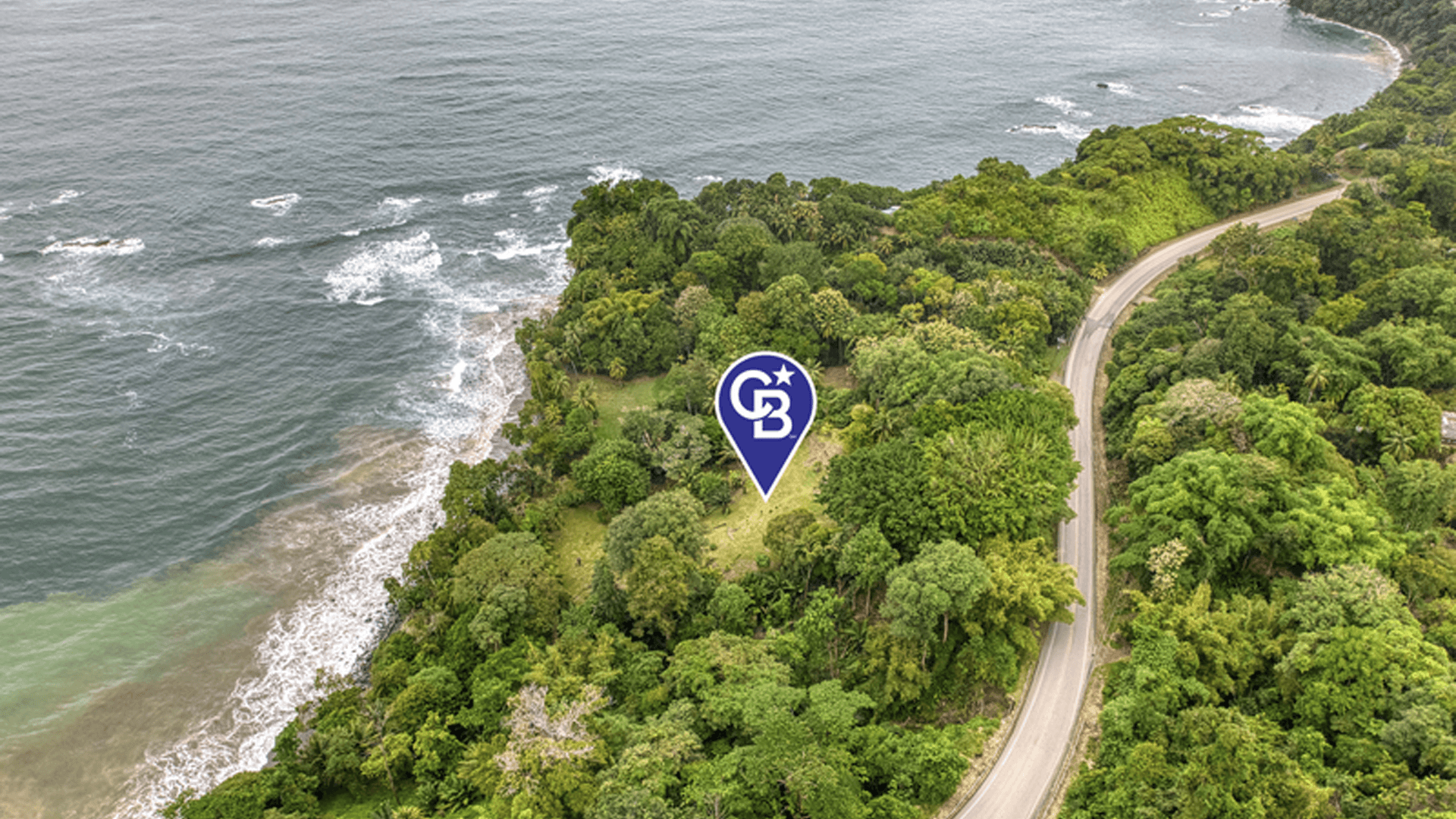
Title Status: Is the land properly titled, or is it concession land? If it’s concession, what does that mean for the use case, timeline, and risk profile?
-
Land Use Permit: Does the zoning actually support what you want to build, or are you trying to force a concept onto land that doesn’t legally fit the vision?
-
SETENA Viability: Environmental approvals are not an afterthought in Costa Rica; if the SETENA path is unclear, then the project isn’t ready to go.
-
Water Availability: Without a water letter, the project is not yet real. It may be an idea, but it’s not a marketable development.
-
Electricity and Infrastructure Readiness: Are power, roads, and utilities in place, in progress, or still theoretical? A lot of projects sound stronger on paper than they are on the ground.
-
Access and Easements: Public road frontage, servidumbres (access easements), access rights, logistics for buyers, logistics for construction. All of that matters more than people think.
-
Environmental Restrictions: Forest zones, river setbacks, springs, maritime-zone issues, sensitive ecosystems. These can materially change what is buildable and how the project must be phased.
-
Development Stage and Timeline Realism: Are you in concept, permitting, infrastructure, sales launch, or construction? What does “in progress” actually mean?
-
Condominium Regime and Governance: If this is a multi-unit or community structure, is the legal framework being built correctly? If there’s no condominium regime, how will the project be managed internally?
-
Sales Structure and Payment Terms: Are you selling turnkey homes, phased inventory, condo pre-sales, or lots? Are buyer payments tied to real milestones? Are financing structures marketable and credible?
This process isn’t designed to slow you down. It’s designed to protect the project before momentum starts pulling in the wrong direction.
I Also Vet the Commercial Logic, Not Just the Legal Structure
This is where a lot of brokerage conversations fall apart: A project can be legally clean and still commercially weak. That’s why I don’t stop at permits and documents. I also want to understand the economics and the product-market fit.
In practical terms, I’m asking:
-
What does it cost to build this product properly?
-
What does the market actually support at that price point?
-
Who is the buyer, specifically?
-
How much inventory can this region absorb?
-
Is this concept aligned with what that market wants now, or what we think it might want someday?
-
Where is the ROI really coming from?
Different project types work in different markets. A master-planned community is not evaluated the same way as a boutique residential development. A luxury villa community in Guanacaste is not positioned the same way as a wellness-driven hospitality concept in the Southern Zone. A land-banking play is not the same thing as an immediately sellable branded residential product.
That’s a huge part of what I mean when I say I vet projects: I can’t pour my time, my team, and my platform into something unless I believe there is a real path to success. That doesn’t mean there’s no risk; it means the risk is understood, structured, and outweighed by the opportunity.
Branding and Market Positioning Start Earlier Than Most Developers Think
This is one of the areas where I think Vesta Group is genuinely different.
Most people treat branding like decoration. We don’t. For us, branding is part of Costa Rica real estate development strategy from the beginning. It’s part of how we determine whether the product is being shaped for the right buyer, introduced with the right promise, and brought to market with enough clarity to generate real demand.
That means we’re thinking early about things like:
· Project Naming: The name is often the first signal the market receives about what a development is and who it is for. A strong name helps establish positioning from the beginning and can influence perception, memorability, and long-term brand value.
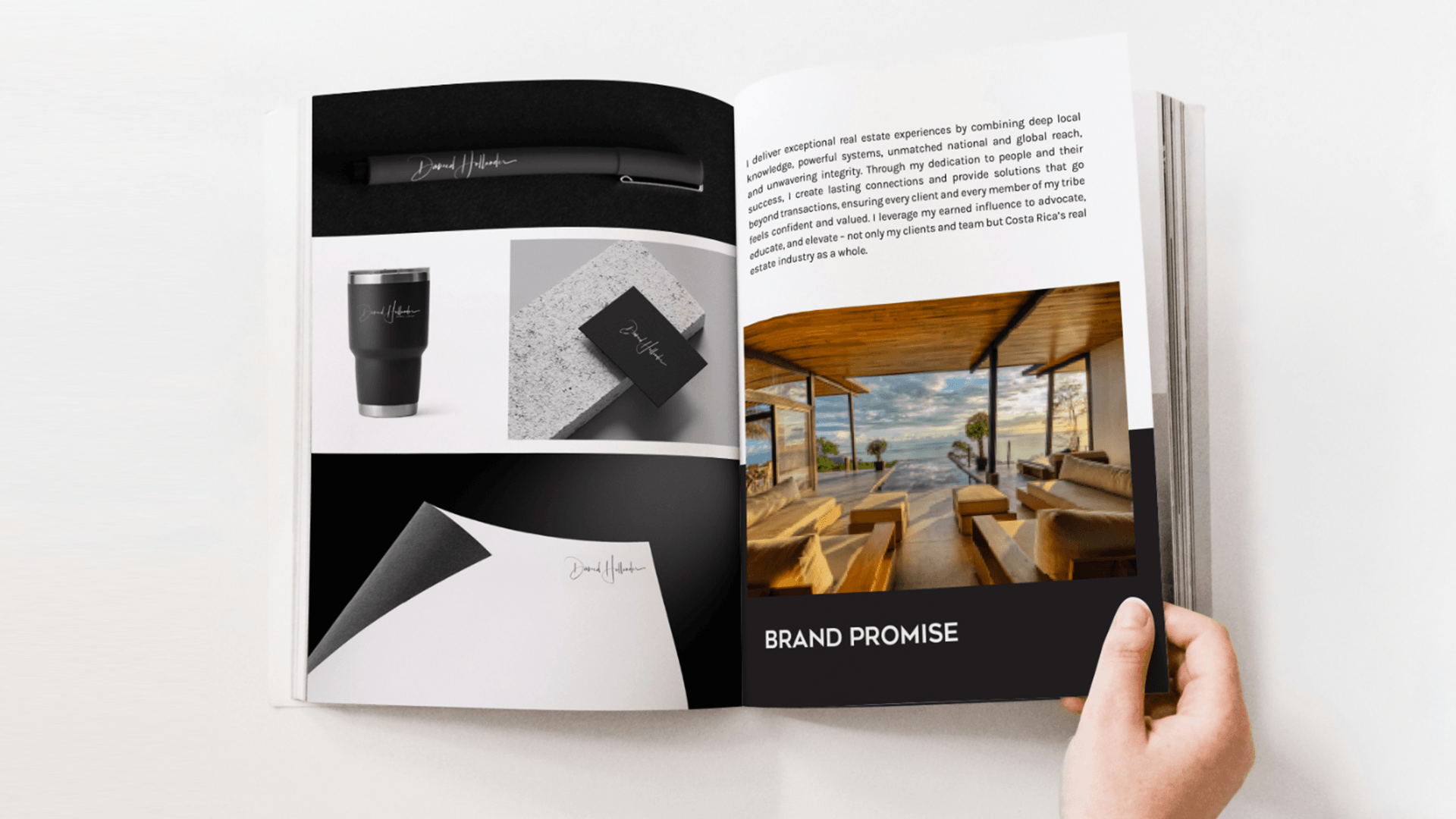
· Brand Promise: This defines what the development is truly offering beyond the physical product. It matters because buyers aren’t just purchasing square footage; they’re buying into a vision, a lifestyle, and a set of expectations that need to be clear and consistent from day one.
· Buyer Personas: A development needs to be built and marketed with a specific buyer in mind. If you don’t know exactly who the project is for, then it becomes much harder to shape the product, pricing, amenities, and messaging in a way that creates real demand.
· Website Strategy: A project website should do more than display renderings and floorplans. It needs to guide the buyer journey, build credibility, answer key questions, and convert interest into qualified leads.
· Sales Decks And Brochures: These materials help frame the opportunity clearly for buyers, investors, and brokers. When done correctly, they create confidence, communicate value, and make the project easier to understand and sell.
· Investor-Facing Materials: Developments often need a different conversation for investors than for end users. Investor-facing materials matter because they help present the financial logic, market opportunity, and long-term upside in a way that speaks directly to capital allocators.
· Lead Capture: Interest has no value if it isn’t captured and followed up properly. A strong lead capture system ensures that marketing momentum turns into real opportunities rather than disappearing traffic and lost inquiries.
· Email Marketing: Most buyers do not make decisions immediately, especially in development sales. Email marketing matters because it helps nurture interest over time, educate prospects, and keep the project top of mind throughout a longer sales cycle.
· Broker Collateral: External brokers need clear, professional materials to represent the project accurately and confidently. Good broker collateral expands reach, improves consistency, and helps turn outside agents into informed advocates for the development.
· Launch Sequencing: How a project is introduced to the market is just as important as what is being sold. A well-planned launch sequence builds momentum, controls the flow of information, and creates stronger early demand than a rushed or poorly timed release.
· International Messaging: Many Costa Rican developments are ultimately sold to an international audience. That means the messaging has to translate across cultures, expectations, and investment mindsets while still feeling locally credible and market-specific.
This is where Vesta Group adds real value that most brokerages never even think about. We ask, “How do we define what this project means in the market, and how do we make that meaning clear from day one?”
You’re Not Just Hiring Me. You’re Hiring the Platform Behind Me
You’re not hiring a solo broker. You’re hiring a platform.
That matters because if I decide to back a project, it doesn’t go to market with one person and a brochure. It goes to market with a coordinated advisory, marketing, and a sales platform designed to support the project from positioning and branding through launch and qualified buyer outreach.
That includes:
-
the national footprint of Coldwell Banker Costa Rica
-
the strategic execution of Vesta Group
-
the branding, positioning, and development marketing work we’re able to build around a project
-
and the buyer-facing systems that allow us to move from concept to launch with discipline
Coldwell Banker Costa Rica’s reach is not valuable because it sounds good; it’s valuable because it expands intelligence, distribution, broker education, and qualified exposure across multiple regions and buyer pools.
And yes, social proof matters here too. I’ve been fortunate to build a career that includes President & CEO of Coldwell Banker Costa Rica and Vesta Group, Top 1% of Coldwell Banker agents worldwide, Top 20 Luxury Brokers in Central America, coverage in The Wall Street Journal, La Nación, and Coldwell Banker Global Luxury® publications, among others.
I don’t mention that to posture, but because if I’m asking you to trust my judgment on whether a project is truly viable, you should know that judgment has been built over decades, across multiple markets, and under real scrutiny.
Relationships Change What I Can See and What I Can Put Together
This is the part people don’t always say publicly, but it’s real.
After nearly 30 years in this market, I’ve built relationships across Costa Rica that most people simply don’t have. That means I often know about projects that aren’t fully on the market yet. It means I can speak directly with developers, landowners, municipalities, government organizations, and groups behind marinas and larger strategic plays. It means I know who to call, what questions to ask, and how to get a clearer answer faster than someone coming in cold.
That doesn’t guarantee every deal works, but it does mean I’m often evaluating opportunities with a wider field of vision than what appears publicly. And for a developer, that can be just as valuable as any single permit or spreadsheet. Because at a higher level, Costa Rica real estate development isn’t just about what’s on paper, but about what can actually be assembled, aligned, and executed.
What Developers Are Really Hiring Me to Do
If you hire me on a development project, you’re not hiring me to simply put inventory on the market. You’re hiring me to help you determine whether the opportunity is strong enough – legally, commercially, and strategically – to justify the time, capital, and effort it will take to bring it to life.
That starts with the land itself, but it quickly expands into a much bigger conversation: whether the entitlement path is realistic, whether the infrastructure and construction assumptions make sense, whether the product fits the market, and whether the pricing can actually hold once it meets real buyer demand.
You’re also hiring me to look at the project the way the market will:
· Is the concept clear?
· Does the brand promise match the product?
· Is there a real buyer behind the vision, or just a hopeful assumption?
· Can the project be positioned in a way that creates demand, supports absorption, and protects value over time?
Those are the questions that matter, and they’re the reason I don’t say yes casually. If I back a project, it’s because I believe it has the fundamentals, the market fit, and the execution path to succeed. It means I believe the land, the legal structure, the pricing, the positioning, and the sales platform can all work together to create something the market will actually respond to.
That’s the standard I hold for the projects I represent, because at this level, you shouldn’t be looking for exposure alone. You should be looking for conviction.
Common Questions Developers Ask Me
What should I have prepared before I approach you with a Costa Rica real estate development project?
At minimum, I need the title information, survey, zoning and land-use status, water status, environmental information, infrastructure context, any existing plans or renderings, and whatever brand or sales materials already exist. The more clarity you bring in early, the faster I can tell you where the real strengths and risks are.
Do you only work with fully approved Costa Rica real estate development projects?
No. In many cases, earlier is better. If I’m involved before major assumptions harden into expensive decisions, I can help identify risk and opportunity much earlier in the process.
Do you help with branding and sales strategy, or just brokerage and marketing?
Branding and sales strategy are a major part of the value. For the right project, that work should begin well before launch.
What kinds of Costa Rica real estate development projects do you usually say yes to?
Projects where the fundamentals are real, the market fit is clear, the economics make sense, and the development team is serious about execution.
Why does this vetting process matter so much?
Because in Costa Rica, one missed step early can create major friction later — legally, commercially, or operationally. I’d rather pressure-test a project before launch than try to fix it after momentum has already been lost.
Development Success Starts Before Sales
Costa Rica offers extraordinary development opportunities, but strong projects are not built on vision alone; they’re built on discipline, legal clarity, environmental responsibility, commercial realism, brand clarity, and the right go-to-market strategy.
When I vet a development project, I’m looking at the full picture:
-
the land
-
the legal structure
-
the entitlement path
-
the market
-
the brand
-
the buyer journey
-
the economics
-
and the team behind it
My role is to help you make better decisions, avoid costly mistakes, and bring projects to market with the kind of confidence that only comes when the groundwork is actually solid.
If you’re evaluating a development opportunity in Costa Rica and you want an honest, experienced view of whether it deserves to move forward, let’s talk.
Schedule a Private Consultation