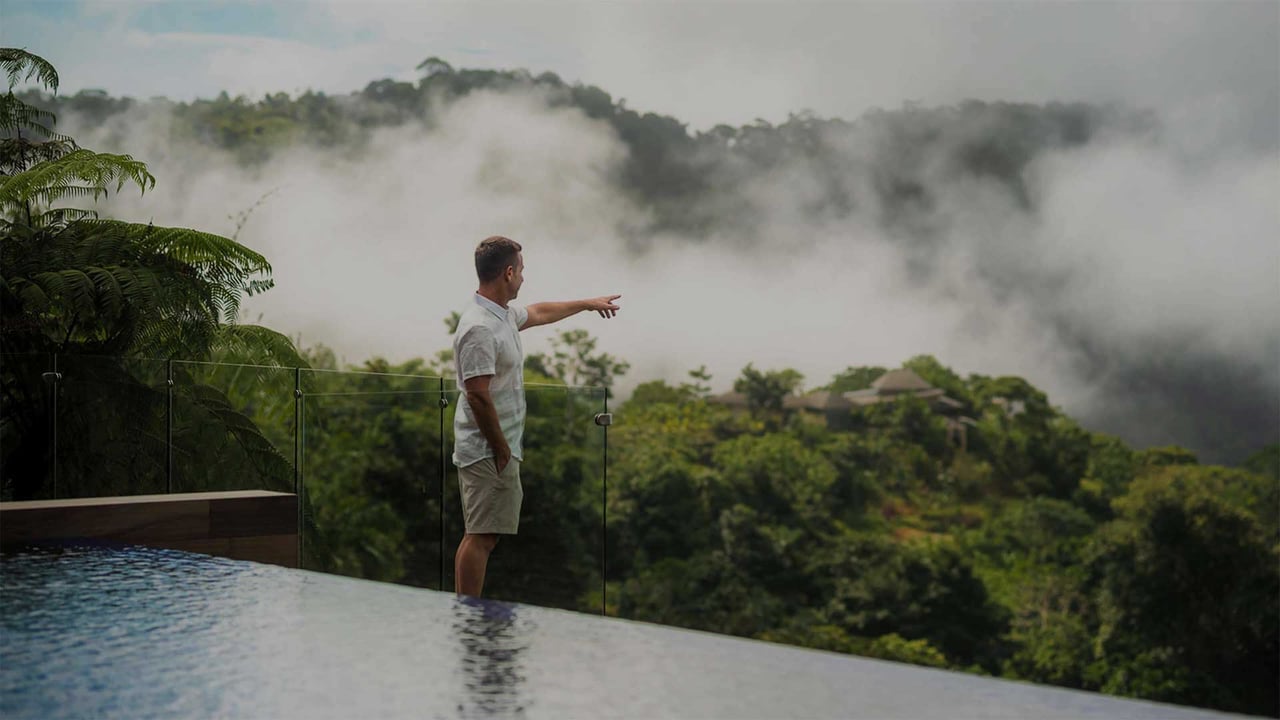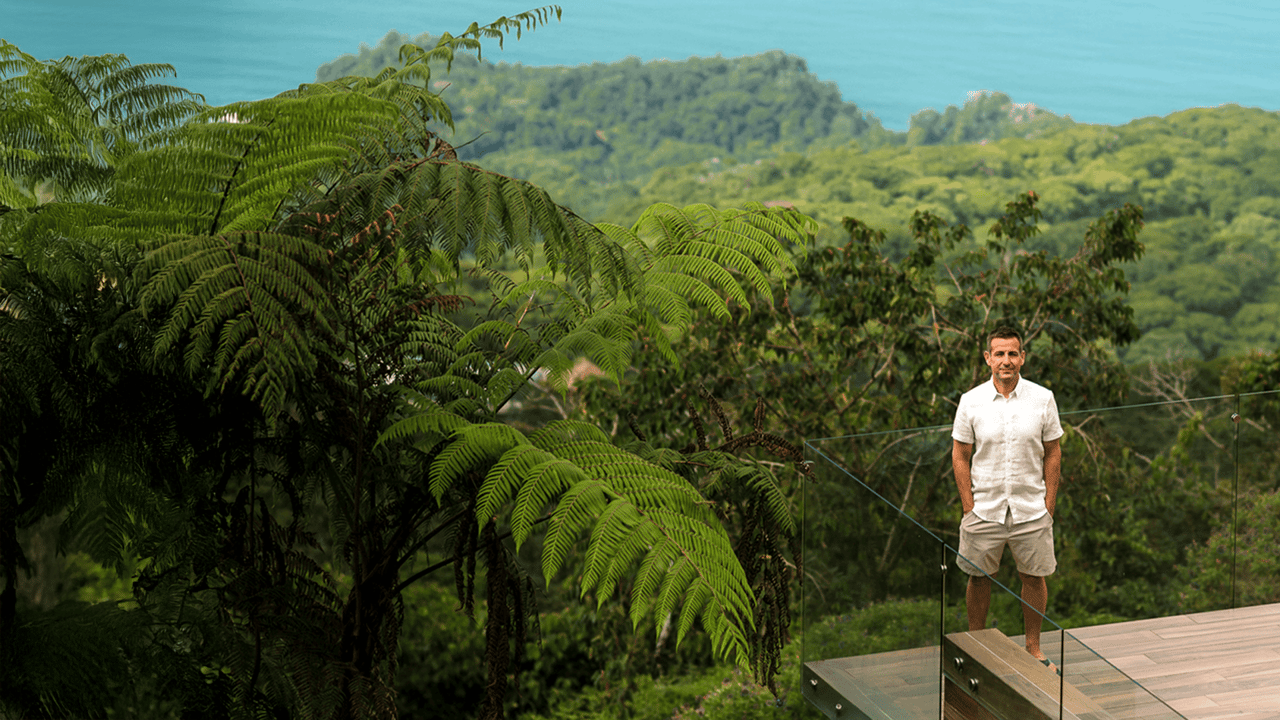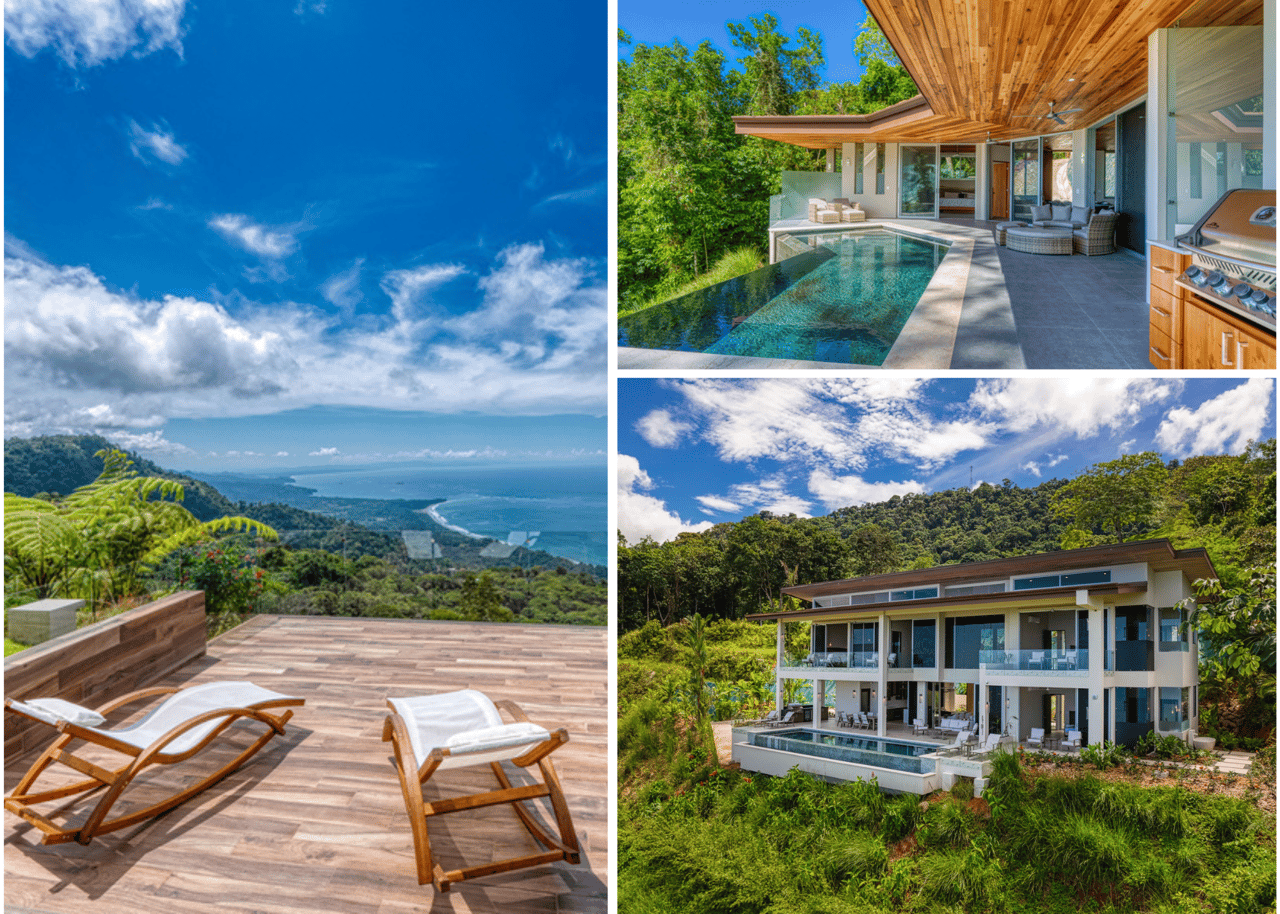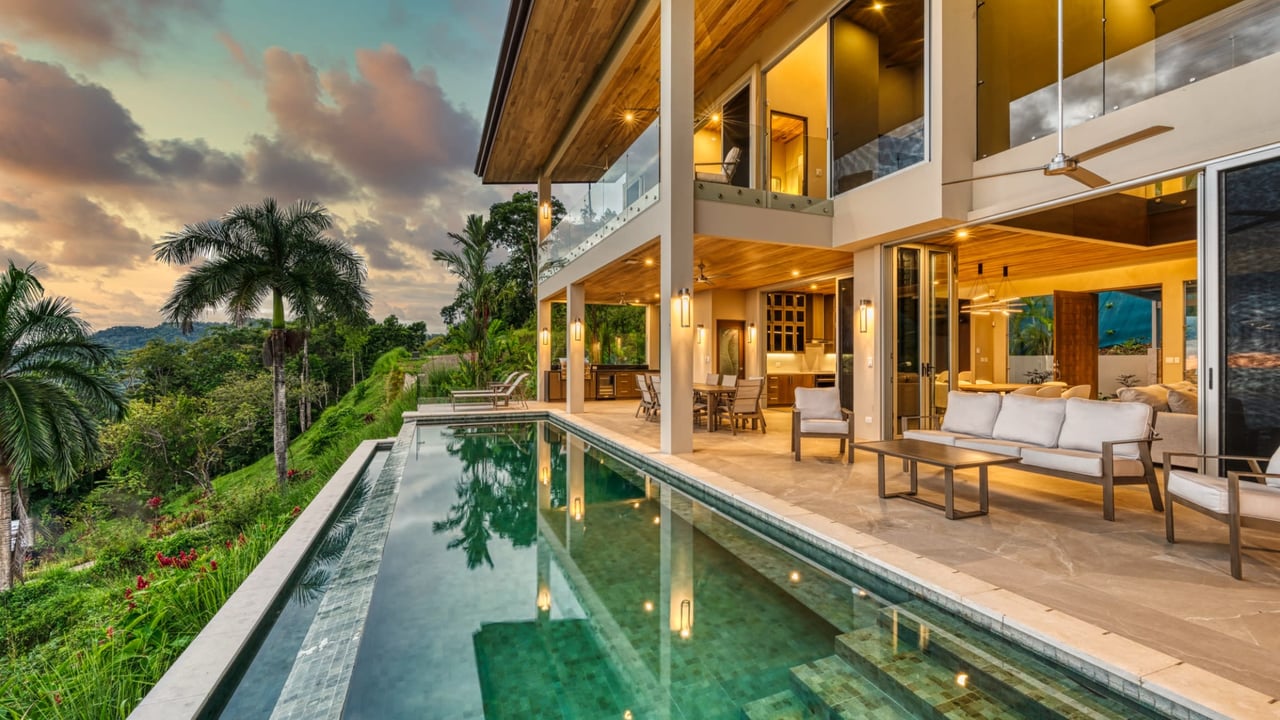
I've spent nearly three decades working with Costa Rica development land, as well as residential and investment real estate, including residential communities, hospitality projects, commercial opportunities, and significant development land transactions. If there's one lesson that experience has reinforced repeatedly, it's this: What looks like a great piece of land at first glance can become a very different investment once you understand what it can actually support.
That's why I approach development land differently from a conventional property purchase.
When you're evaluating land in Costa Rica, I'm not simply asking whether the location is attractive or whether the price looks compelling. I'm looking at what the property can legally, physically, and economically support, how much work it will take to get there, and whether that opportunity makes sense within your larger investment strategy.
That means asking the right questions early about title, water, access, land use, infrastructure, environmental conditions, topography, subdivision, permitting, and development costs, then bringing in the appropriate attorneys, engineers, surveyors, environmental professionals, and other specialists as the project requires.
Bottom line: My job isn't to convince you to fall in love with a parcel; it's to help you understand what you're actually buying before you commit your capital.
Development Land in Costa Rica Is an Opportunity, Not a Blank Canvas
Costa Rica development land presents some extraordinary opportunities for buyers and investors who want to create something here. That may mean buying a few acres to build a private home or family compound, or it could mean acquiring land for a boutique hotel, wellness retreat, residential community, or larger master-planned development.
Those are very different projects, and your level of due diligence should reflect that difference, but the same principle applies to all: A beautiful piece of land and a viable development site are not necessarily the same thing.
I've watched areas of Costa Rica evolve from relatively unknown coastal communities into sophisticated international real estate markets. I've also watched buyer expectations change considerably. For example, in today's market, there's greater demand for luxury residential communities, boutique hospitality, resort-style residences, wellness concepts, conservation-minded projects, and large private estates.
The opportunity is real, but it's important to know that so are the constraints. Every development property in Costa Rica comes with a framework that helps determine what can ultimately be created there. That may include land-use regulations, water availability, legal access, road frontage, environmental conditions, topography, utility capacity, wastewater, subdivision requirements, and, in certain coastal areas, the Maritime-Terrestrial Zone.
Those conditions can completely change the investment thesis. For example, a 100-acre property that looks inexpensive on a price-per-acre basis may ultimately provide less viable development area than a much smaller or more expensive site with easier access, established infrastructure, favorable topography, and clearer development potential.
That's why I encourage you to stop thinking first about how much land you're buying and start asking a more useful question: How much viable opportunity are you actually acquiring?
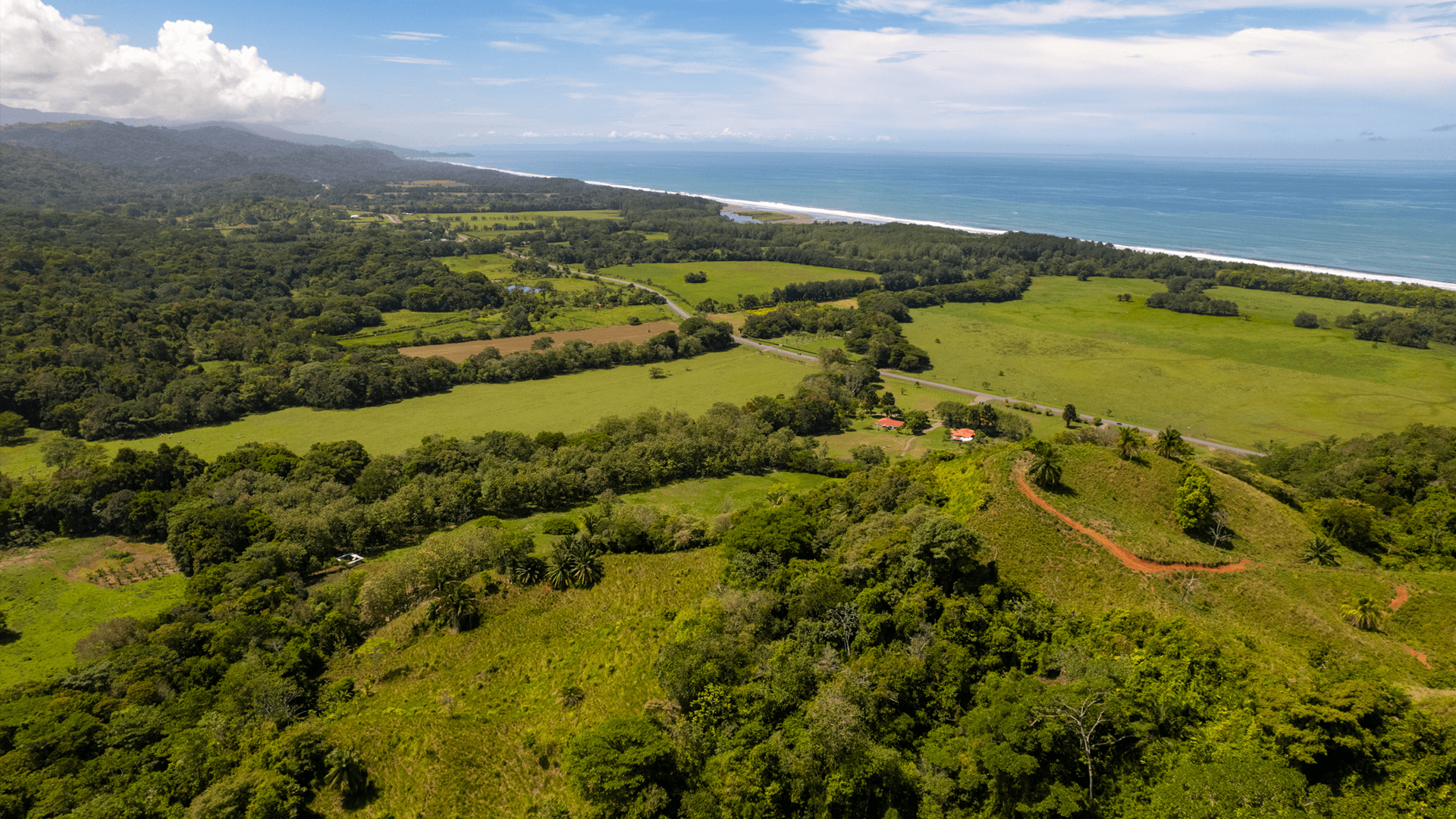
Due Diligence Begins With the Intended Outcome
Before you get too far into evaluating a property, you need to be clear about what you actually want to create.
Are you buying land for a private estate or family compound? A luxury residential community? A boutique hotel? An eco-lodge or wellness retreat? A condominium project? A larger master-planned community? Or are you buying primarily as a long-term land investment, with the option to develop or sell later?
If you're planning one home on several acres, you still need to understand title, access, water, land use, environmental conditions, infrastructure, and whether the site you want to build on is actually viable. But if your plan depends on subdividing the property, creating multiple residences, adding shared infrastructure, operating a hospitality business, or developing in phases, the analysis becomes considerably more complex.
This cannot be overemphasized, as development potential is often described very casually. Even in your initial property search, you're likely to see land marketed as "ideal for villas," "perfect for a resort," or "ready for development" – but those descriptions don't tell you what has actually been verified or what the property can legally and practically support.
I prefer to work backward from your intended project. For example, if your vision is a 40-residence community, we need to determine whether the property can realistically support – not just logically, but legally – that number of homes before your financial model depends on selling them. If you're considering a boutique wellness resort, we need to understand whether the proposed hospitality use, water demand, wastewater strategy, access, environmental conditions, infrastructure, and guest experience all work together.
The investment thesis comes first, and only then do we determine whether the land supports it, too. Our recent Vesta Group guide to buying land in Costa Rica's Southern Region explains this well: when you're acquiring land, you're evaluating not only what exists today but what can really be created tomorrow.
Title and Ownership: Establish Exactly What You're Buying
The first layer of Costa Rica land due diligence is legal. My clients work with qualified Costa Rican attorneys, together with surveyors and other professionals when needed, to verify ownership and understand the property's registered condition before moving forward.
For a development transaction, I want the professional team looking closely at:
- Registered ownership: Who legally owns the property, and does that ownership match what's being represented in the transaction?
- The folio real: This is the official property record and should be reviewed for the registered status of the land.
- The plano catastrado: The registered cadastral survey should be compared with the property you're actually looking at on the ground.
- Property boundaries: The legal boundaries, physical occupation, fences, roads, and neighboring uses should make sense together.
- Liens and encumbrances: You need to know whether there are mortgages, claims, restrictions, or other registered conditions affecting the property.
- Easements and rights of way: These can affect access, utilities, circulation, and how the property can ultimately be developed.
- Legal access: A road that has been used for years isn't necessarily the same thing as properly documented legal access that supports your intended project.
- Surveys and cadastral information: Larger parcels may require additional survey work to confirm usable area, road locations, and how the land can realistically be laid out.
- Corporate ownership structures, when applicable: If you're acquiring a company that owns the property rather than buying the land directly, your legal and tax team may also need to review the company's liabilities, contracts, tax position, and compliance history.
The most important takeaway is that the legal record, cadastral information, and physical property should all tell the same story.
With larger parcels, discrepancies that might seem relatively minor at first can become significant once architects and engineers begin laying out roads, infrastructure, lots, utilities, and common areas. A boundary or access issue can affect much more than a survey line on paper.
That's why I don't view legal due diligence as something that happens at the end of negotiations; it should inform the transaction from the very beginning, because you can't accurately value future development potential until you understand exactly what you're buying.
Land Use and Zoning: What Can Actually Be Built?
This is where many development opportunities become considerably more interesting… or considerably less so.
Before you acquire development land in Costa Rica, you need to understand the applicable land-use framework and whether it supports the project you have in mind. Depending on the location and intended use, that can affect:
- Residential, commercial, or hospitality use
- Density and minimum lot sizes
- Building height and setbacks
- Road and access requirements
- Subdivision or fraccionamiento
- Common areas and shared infrastructure
- Environmental or site-specific restrictions
Subdivision deserves particular attention if your strategy depends on creating multiple lots or residences. You need to know whether the property can legally and practically be divided the way your financial model assumes, and what additional access, infrastructure, or municipal requirements may come with that plan.
Costa Rica's planning environment also varies by municipality and region, so I don't recommend relying on what was approved on a neighboring property or on broad descriptions such as "ideal for villas" or "ready for development." Those claims may suggest possibility, but they don't establish what has actually been verified.
The question isn't simply: Can you build here? but rather Can you build the project your investment model depends on?
There's an enormous difference.
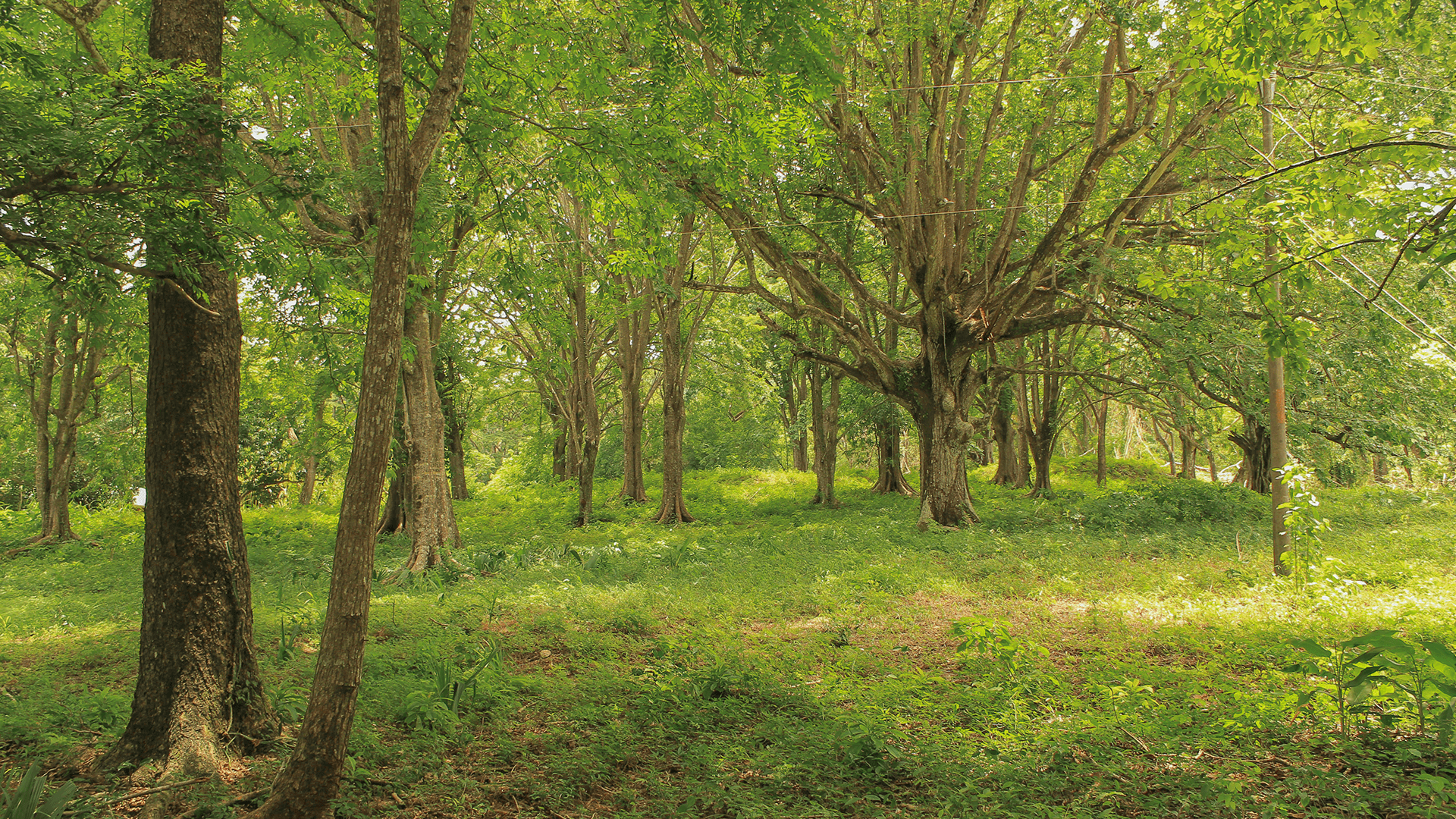
Water Can Determine Whether the Deal Works
Water is one of the first issues I want clarified when you're evaluating a serious development opportunity. That's because having a river, spring, well, or water line near the property doesn't automatically mean you have the legally recognized water availability or capacity your project requires. In Costa Rica, the source, documentation, capacity, and intended use all matter.
Depending on the property, your professional team may need to establish:
- Where will the legal water supply come from? This may involve AyA, an ASADA, or another properly authorized source.
- What documentation confirms availability?
- How much capacity is actually available?
- Does that capacity support your intended density or use?
- Are wells, springs, or other private sources involved? Their physical presence doesn't automatically mean you have the right to use them for development.
- Are groundwater or aquifer conditions relevant? SENARA criteria can affect what certain sites can support.
- Will additional water infrastructure be required, and what will that add to cost and timing?
The point isn't that you need to become a water expert. What is important is that you know early whether the water strategy works and which specialists need to confirm it. Because a project can have exceptional architecture, strong market demand, and a beautiful site, but if the water supply doesn't support the intended scale, the economics can change very quickly.
Access, Roads and Infrastructure Are Part of the Investment
Another common mistake is treating infrastructure as something separate from the land acquisition.
It isn't. Not ever. Infrastructure is part of your basis.
When you're evaluating Costa Rica development land, we want to understand how people, utilities, construction crews, and services will actually reach and move through the property. That means looking at:
- Legal access and public road frontage
- Internal roads and construction access
- Electricity capacity, not simply whether power is nearby
- Telecommunications
- Water distribution infrastructure
- Drainage and stormwater management
- Wastewater treatment or disposal
- Utility easements and rights of way
- Future maintenance responsibilities
If the property fronts a national road, additional access or alignment requirements may also come into play. And if electrical capacity, wastewater systems, roads, or utility extensions need to be built out, those costs belong in your development model from the beginning. I've seen spectacular properties where the acquisition price initially looks very compelling. But once you calculate what it takes to build roads, extend electricity and water, manage drainage, address wastewater, and prepare the actual building sites, the land doesn't look inexpensive anymore. That's why I encourage you to calculate the cost of creating a viable asset, not simply the cost of acquiring acreage.
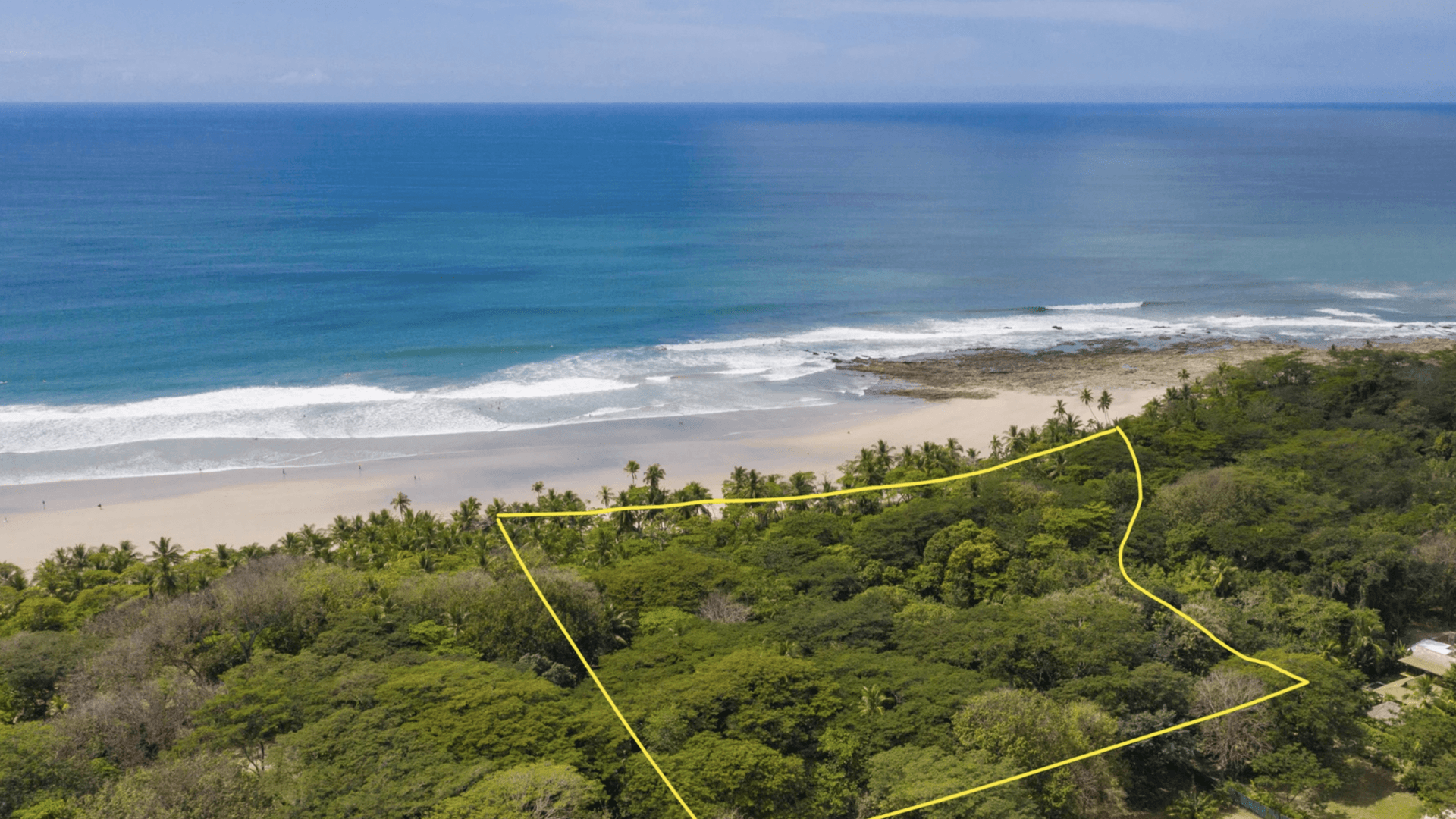
Topography: Acreage Does Not Equal Buildable Area
Costa Rica's dramatic terrain is responsible for some of its most spectacular real estate, but it's also responsible for some of its greatest development challenges.
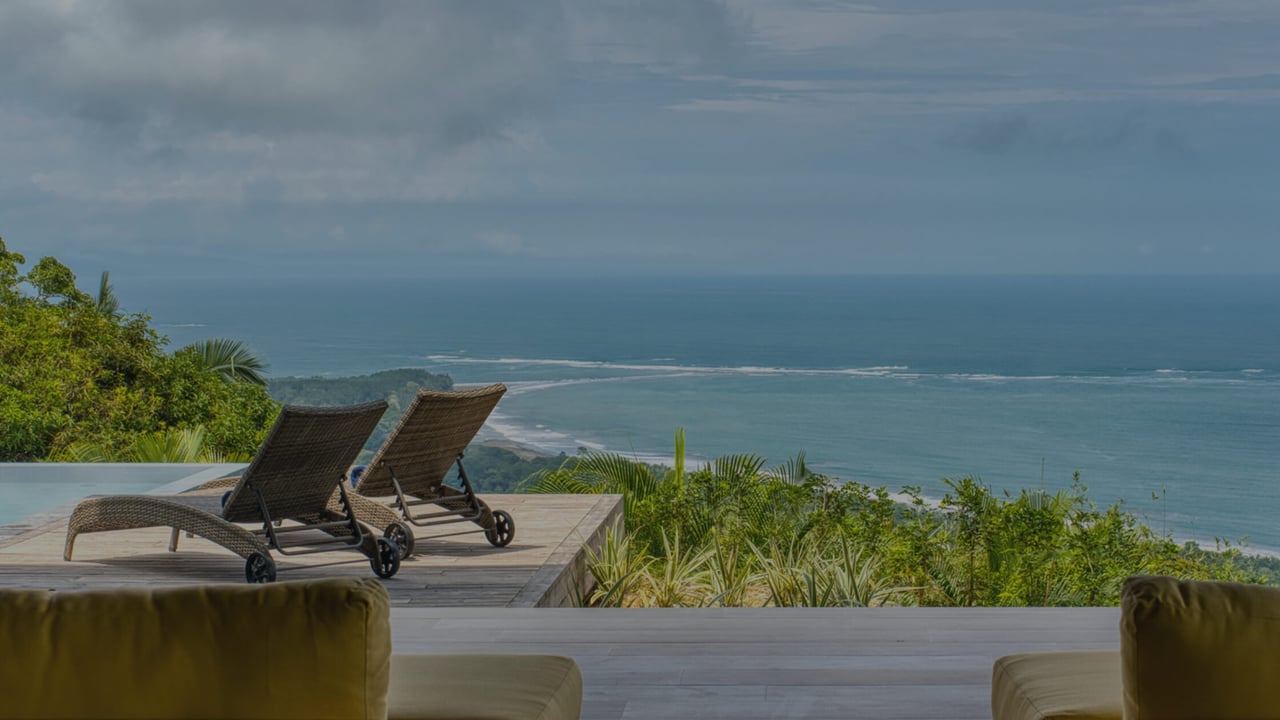
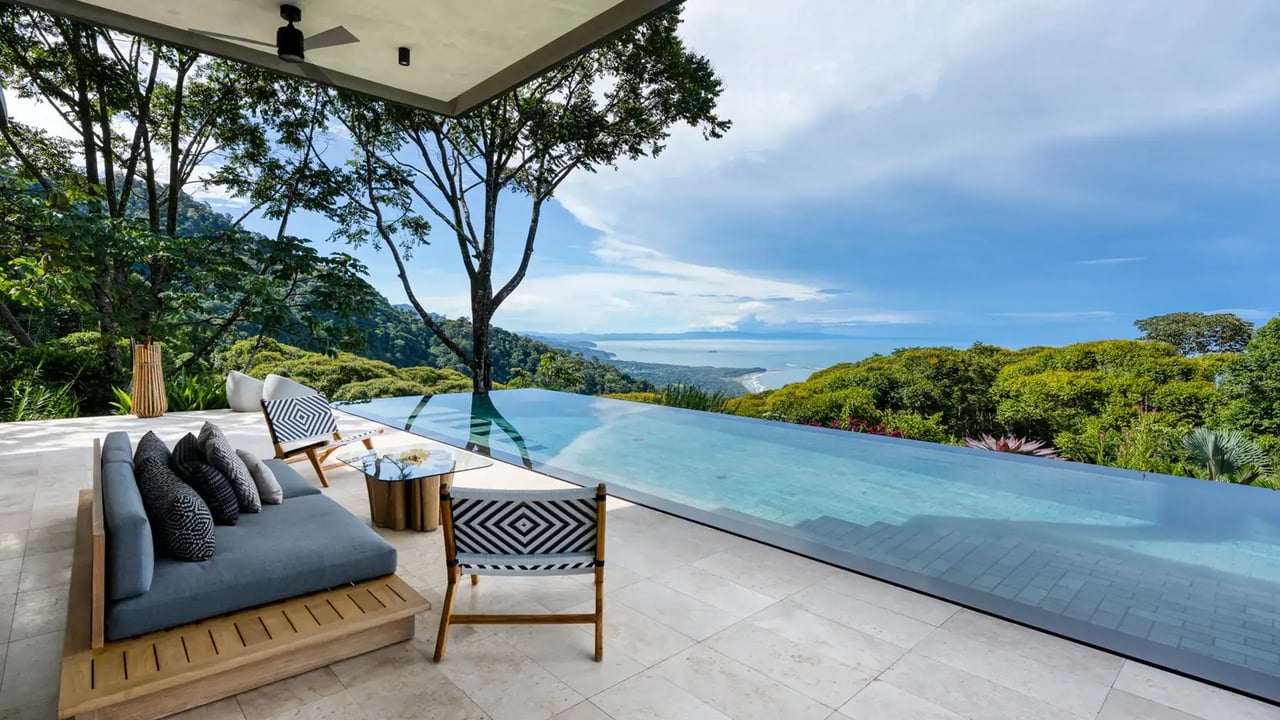
Ocean views, mountain settings, waterfalls, and jungle landscapes can create tremendous value, but they can also bring steep slopes, drainage issues, retaining structures, complicated road design, and significantly higher construction costs. This is especially relevant in areas such as Dominical, Uvita, and other parts of the Southern Pacific, where two properties with similar acreage can have very different usable-area profiles.
When topography is a major factor, I want qualified architects, engineers, and other technical professionals involved early enough to help you understand the practical development envelope. Depending on the site, that may include looking at:
- Slope and usable building areas
- Soil and geotechnical conditions
- Drainage and stormwater
- Retaining walls and road design
- Flooding, landslide, or other natural-hazard exposure
- The cost of preparing safe, accessible building sites
The number that matters isn't simply total acreage, but actually the relationship between usable acreage, permitted density, infrastructure cost, and the market value of what you can ultimately build. These considerations provide a much more meaningful way to evaluate the land.
Environmental Due Diligence Is Part of Development Strategy
Costa Rica's natural environment is one of the country's greatest assets, and for development land, understanding that environment is part of understanding the investment.
Forests, waterways, wetlands, slopes, groundwater conditions, wildlife corridors, and other site characteristics can all influence what and where you're able to build. Depending on the project, environmental review may also involve SETENA, Costa Rica's environmental authority, along with engineers, environmental consultants, biologists, or other specialists.
The goal isn't for you to become an expert in environmental permitting, but to identify the relevant constraints early enough that they can inform your plans, costs, and timeline.
I also don't automatically view environmentally sensitive areas as negatives. Quite the opposite, in fact, as some of the most compelling projects I've worked with derive much of their value from land that was deliberately left undeveloped. Forest corridors, waterways, trails, viewsheds, and protected natural areas can become central to the guest or residential experience and ultimately strengthen the identity of the project.
But you need to know what you're working with before you buy. Responsible development starts by understanding the land and designing around its realities, rather than trying to force a predetermined plan onto it.
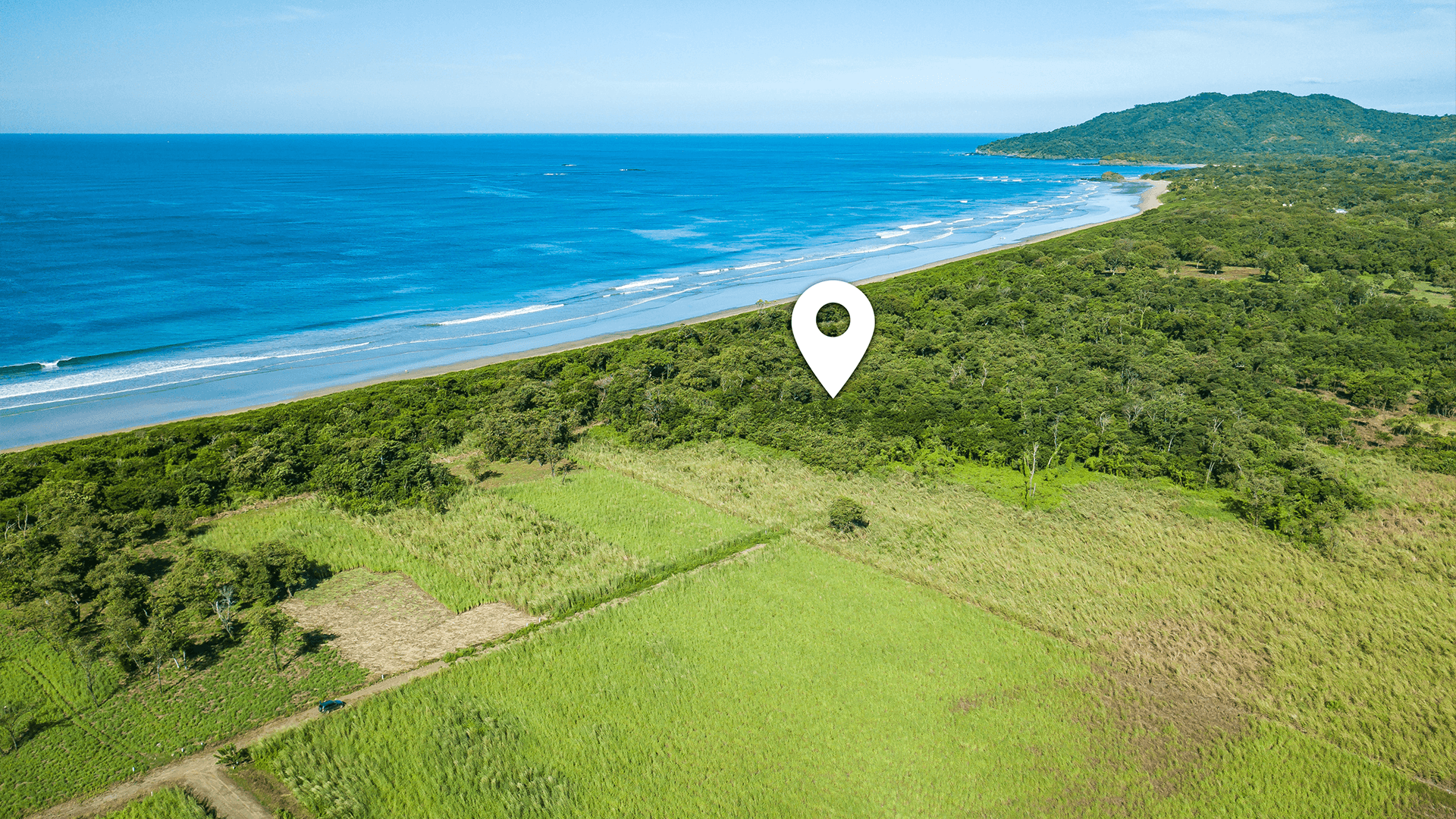
Coastal Development Requires Another Layer of Analysis
If you're evaluating coastal property, you also need to understand whether Costa Rica's Maritime-Terrestrial Zone, or Zona Marítimo Terrestre (ZMT), applies to the site.
Notably, not all beachfront property in Costa Rica is held under conventional titled ownership. Certain coastal areas are governed by concession rights and coastal planning regulations, which can affect ownership structure, allowable use, development rights, transferability, and long-term strategy.
This is one area where I want experienced Costa Rican legal and technical professionals involved from the beginning, because a property being marketed as "beachfront" doesn't tell you enough. You need to understand:
- Is the property titled or concession-based?
- Does any portion of the site fall within the ZMT?
- What coastal regulatory plan applies?
- What rights and restrictions come with the property?
- Do those rights support the project you're planning?
The legal structure matters just as much as the location because, when it comes to coastal development, the difference between titled land and concession-related property can fundamentally change how you evaluate the opportunity.
Feasibility Comes Before the Master Plan
One of the most important pieces of advice I can give you is this: Don't design the dream project and then ask whether the property supports it. Establish feasibility first.
I prefer to move through the process methodically:
Vision → Due Diligence → Feasibility → Concept → Financial Model → Acquisition/Structuring → Development Strategy
That sequence helps keep you from spending significant time and money designing around assumptions that haven't been validated. It's also why the contractual due diligence period matters. Before you're fully committed to the acquisition, you want enough time to investigate the issues your project depends on and, with the appropriate legal guidance, make sure the transaction is structured around the conditions that need to be confirmed.
This is where claims about existing approvals or "development potential" also need to be tested. If your investment depends on a particular use, density, water supply, subdivision plan, environmental approval, or infrastructure strategy, you want to know what has actually been verified and what still remains an assumption.
Once you understand the constraints and opportunities, the creative process becomes much more productive:
- Your architects understand the practical development envelope.
- Your engineers can plan around real infrastructure and site conditions.
- Your financial team can model more realistic costs, timelines, and revenues.
- Your marketing and sales team can position a product around an identifiable buyer and market opportunity.
And you can make decisions based on information rather than optimism.
The Market Has to Support What You Plan to Build
Legal and physical feasibility are only part of development due diligence. The project also has to make commercial sense. In other words, just because you can build 80 residences doesn't necessarily mean you should.
This is where my role becomes particularly important. Over nearly three decades in Costa Rica real estate, and through my work with Coldwell Banker Costa Rica and Vesta Group, I've developed market intelligence across regions, property types, and buyer segments that helps us test the development concept against what people are actually willing to buy.
Before you commit to a strategy, I want us to be asking:
- Who is your end buyer?
- Where are they coming from?
- What price point will the market support?
- What unit or lot mix makes sense?
- Which amenities actually influence buying decisions?
- What competing inventory already exists or is coming to market?
- What absorption rate is realistic?
- What makes your project meaningfully different?
- What happens to the economics if the market slows or your costs rise?
A project can be legally permitted, technically buildable, and beautifully designed and still be the wrong product for its market.
Development is ultimately about creating something people want at a price that supports the economics of the project. Beautiful architecture matters, but it can't solve that equation on its own.
Different Development Strategies Require Different Land
One reason I'm cautious about generalized advice on buying land in Costa Rica is that "land" isn't a single investment category; the right property depends entirely on what you want to do with it.
Luxury Residential Development
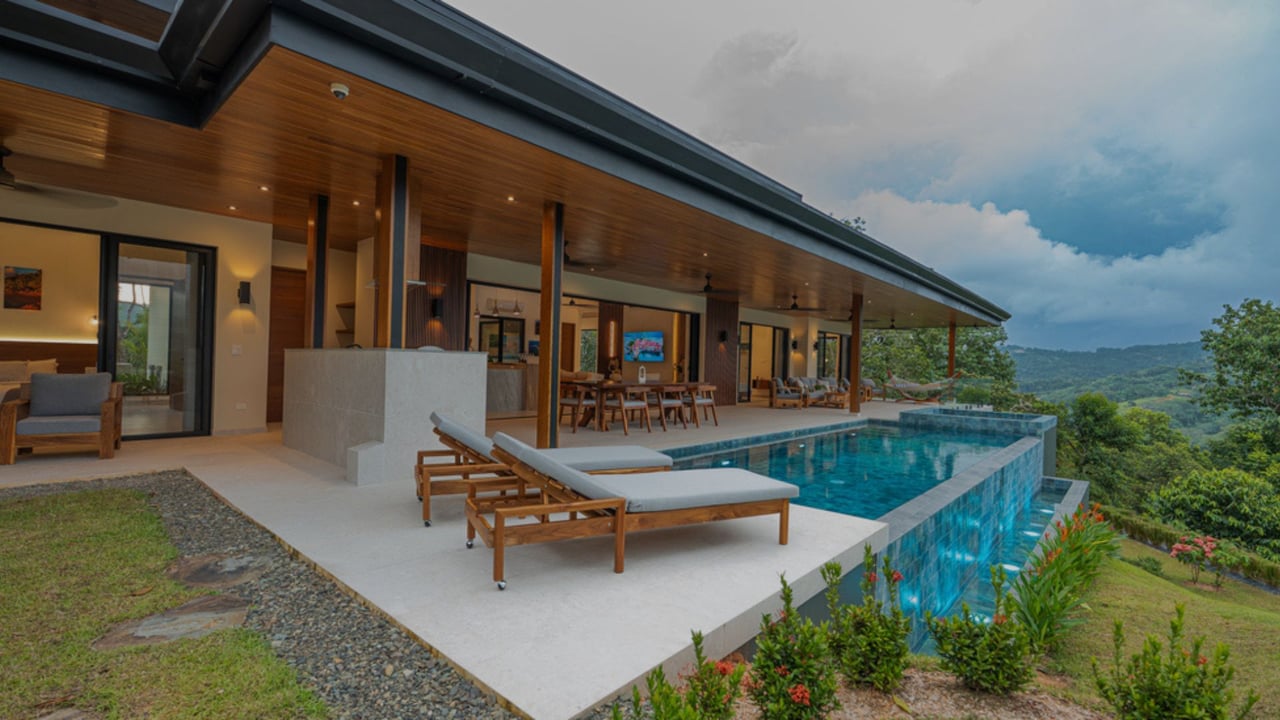
If you're planning a luxury residential project, I'm looking closely at views, privacy, road design, lot orientation, infrastructure, amenities, and the overall arrival experience.
It's not simply about fitting the maximum number of homes onto the site. The land has to support a product, setting, and lifestyle that your target buyer will actually value.
Boutique Hospitality or Wellness
Hospitality changes the analysis because the guest experience becomes part of the investment.
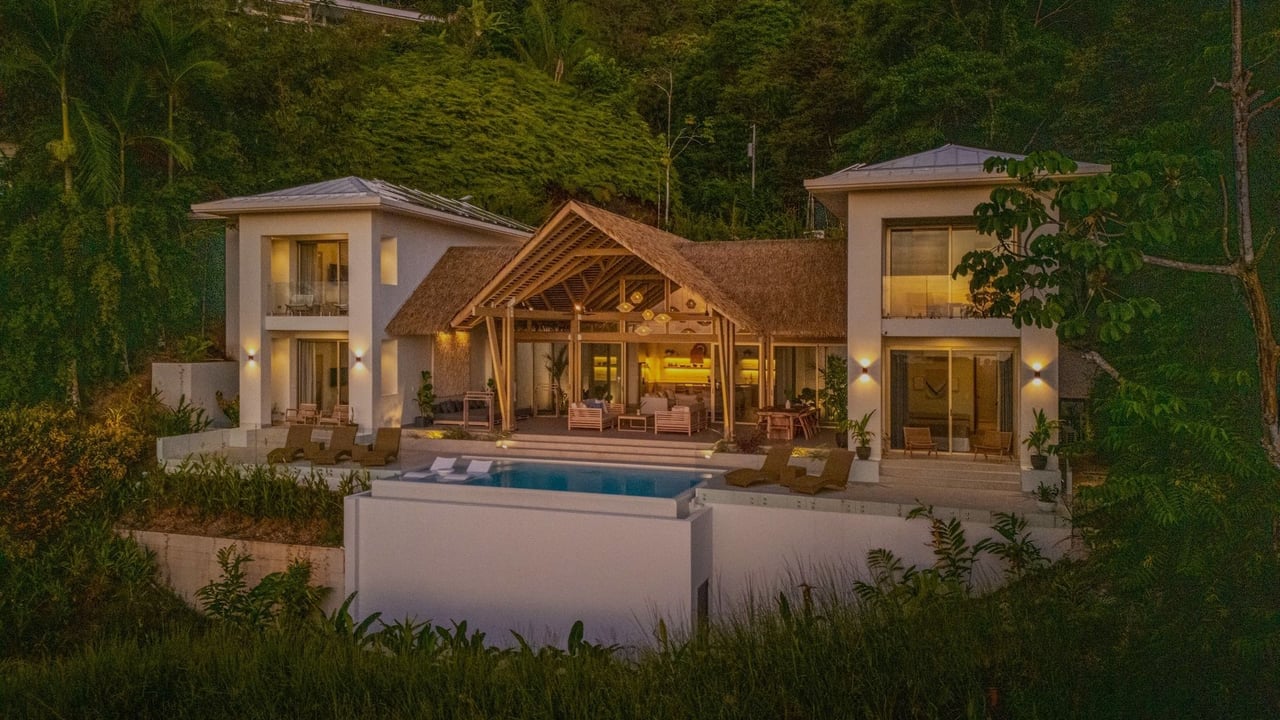
Natural features, privacy, access, views, programming areas, operational logistics, infrastructure, and room for future expansion may matter more than maximizing density. A property that isn't ideal for a large residential subdivision could be much better suited to an intentionally low-density resort or retreat.
Master-Planned Community
At a larger scale, the number of moving parts increases considerably.
You're thinking about roads and utilities, phasing, density, amenities, common areas, absorption, future expansion, and the long-term structure for maintaining and operating the community. The land needs to work not only for the first phase, but for the larger vision.
Land Banking
If you're acquiring land primarily as a long-term investment, immediate development may not be the goal, but due diligence still matters.
Title, legal access, water, infrastructure growth, surrounding investment, environmental conditions, and future demand all influence your optionality and eventual exit value. You want to understand what could make the property more valuable over time, as well as what could limit its future use.
Legacy or Conservation Property
Not every client is trying to maximize density.
You may be acquiring significant acreage to preserve it, create a family compound, develop something intentionally low-density, or combine conservation with a limited residential or hospitality component.
In those cases, much of the value may come from what you choose not to build. The right land gives you the ability to protect the features that made you want to own it in the first place.

My Development Advisory Process
My role with development clients begins well before a property closes. I start with you: your capital strategy, experience, risk tolerance, timeline, intended use, and what you ultimately want to create in Costa Rica. From there, we look for opportunities that fit the strategy, rather than finding a property first and trying to make the strategy fit afterward.
Once we identify a serious opportunity, I help bring together the professional team the project requires. Depending on the property and intended use, that may include attorneys, surveyors, architects, engineers, environmental professionals, tax advisors, planners, contractors, hospitality specialists, and marketing professionals.
I don't replace those experts. My value is knowing when they need to be involved, bringing the right people into the conversation, asking the questions that need to be answered, and helping you keep a clear view of the investment as a whole.
That starts with acquisition and due diligence, but my role can continue into:
- Development positioning
- Product and buyer strategy
- Pricing
- Sales strategy
- Exclusive representation
- International marketing and exposure
- Project launch
- Long-term exit strategy
Through Coldwell Banker Costa Rica, you also gain access to a national real estate network and the international reach of the Coldwell Banker brand.
For the right development, that combination of local intelligence, coordinated professional due diligence, development strategy, market positioning, and global sales reach can help you move from acquiring land to creating an asset with a clear market position and long-term plan.
Due Diligence Is About Protecting Optionality
One of the most valuable things good development land can give you is optionality.
Your original concept may be residential, but further analysis could show that hospitality makes more sense. A successful first phase may create an opportunity to expand. Market conditions may change, making it more attractive to hold the land for several years rather than develop immediately. Or due diligence may reveal that a lower-density concept creates more value than the project you originally envisioned.
The more you understand before committing your capital, the more informed those choices become.
Poor due diligence does the opposite. It can lock you into a project whose economics depend on water, density, access, infrastructure, approvals, construction costs, or market assumptions that were never properly tested.
That's why I don't see due diligence as something that gets in the way of a deal. It's one of the tools that helps us recognize the right deal, understand the choices it gives you, and avoid committing to opportunities that only work on paper.
Key Costa Rica Development Terms to Know
You don't need to become an expert in every technical or legal term involved in a Costa Rica land transaction, but there are a few you're likely to encounter during due diligence:
- Folio real: The official registered record of a titled property in Costa Rica.
- Plano catastrado: The registered cadastral survey showing the property's surveyed boundaries and identifying information.
- Uso de suelo: Municipal documentation establishing the land uses permitted for a particular property.
- Fraccionamiento: The subdivision of land into separate lots, subject to applicable planning, access, infrastructure, and approval requirements.
- AyA / ASADA: Two common sources of legally recognized potable water service. AyA is the national water utility, while ASADAs are community-based systems that administer water service in many areas.
- SETENA: Costa Rica's environmental authority, which is involved in environmental viability for projects when applicable.
- SENARA: The national agency whose groundwater and aquifer-protection criteria may become relevant to land use, wells, wastewater, and development feasibility.
- ZMT: The Zona Marítimo Terrestre, or Maritime-Terrestrial Zone, where different ownership, concession, and development rules can apply to coastal land.
- Servidumbre: An easement that grants specific rights over a property, such as access or utility passage. The professionals advising you should explain which of these apply to your property and what they mean for the development you have in mind.
Frequently Asked Questions About Costa Rica Development Land
Can foreigners buy development land in Costa Rica?
Yes. Foreign buyers can generally acquire titled real estate in Costa Rica under the same ownership framework as Costa Rican citizens. However, you should have qualified Costa Rican legal and tax professionals review the specific property and ownership structure before you move forward. Coastal concession property requires a different analysis.
What's the most important due diligence item when buying development land?
There isn't one universal answer because the issues are interconnected. Title, legal access, water, allowable use, environmental conditions, topography, infrastructure, and subdivision potential can all determine whether the property works for what you want to create.
I prefer to evaluate those factors together against your intended development strategy.
Does having water on a property mean I can develop it?
No. A river, spring, well, or water line nearby doesn't automatically mean your project has the legally recognized water availability or capacity it needs.
The source, legal rights, documentation, and available capacity should be professionally verified early in your due diligence.
How important are land use and zoning when buying land in Costa Rica?
They're fundamental. You need to understand the applicable land-use framework and whether your intended project, density, subdivision plan, and use are actually compatible with it.
What was approved nearby, or what a property is advertised as being suitable for, isn't enough.
Should I design my development before purchasing the land?
Conceptual planning can be useful during due diligence, but I recommend establishing preliminary feasibility before investing heavily in design.
Your architects and engineers can make much better decisions once legal, environmental, infrastructure, topographic, and market conditions have been investigated.
Is larger acreage automatically a better development investment?
No. A smaller property with legal access, usable topography, water, infrastructure, and favorable development rights may offer considerably more value than a much larger parcel with substantial constraints.
What matters is what you can realistically create on the land and what it will cost to get there.
Should I buy raw land or a property with approvals and infrastructure already in place?
That depends on your capital strategy, development experience, risk tolerance, and timeline.
Raw land can offer greater flexibility and potential upside, but it can also involve more entitlement, infrastructure, permitting, and execution risk. A more advanced property may reduce some of those unknowns, but you still need to verify exactly which approvals, infrastructure, and development rights are actually in place.
Final Thoughts: Buy the Development Potential, Not the Dream
Development land is one of the areas of Costa Rica real estate I find most interesting because the right property can become something extraordinary. But possibility and feasibility aren't the same thing.
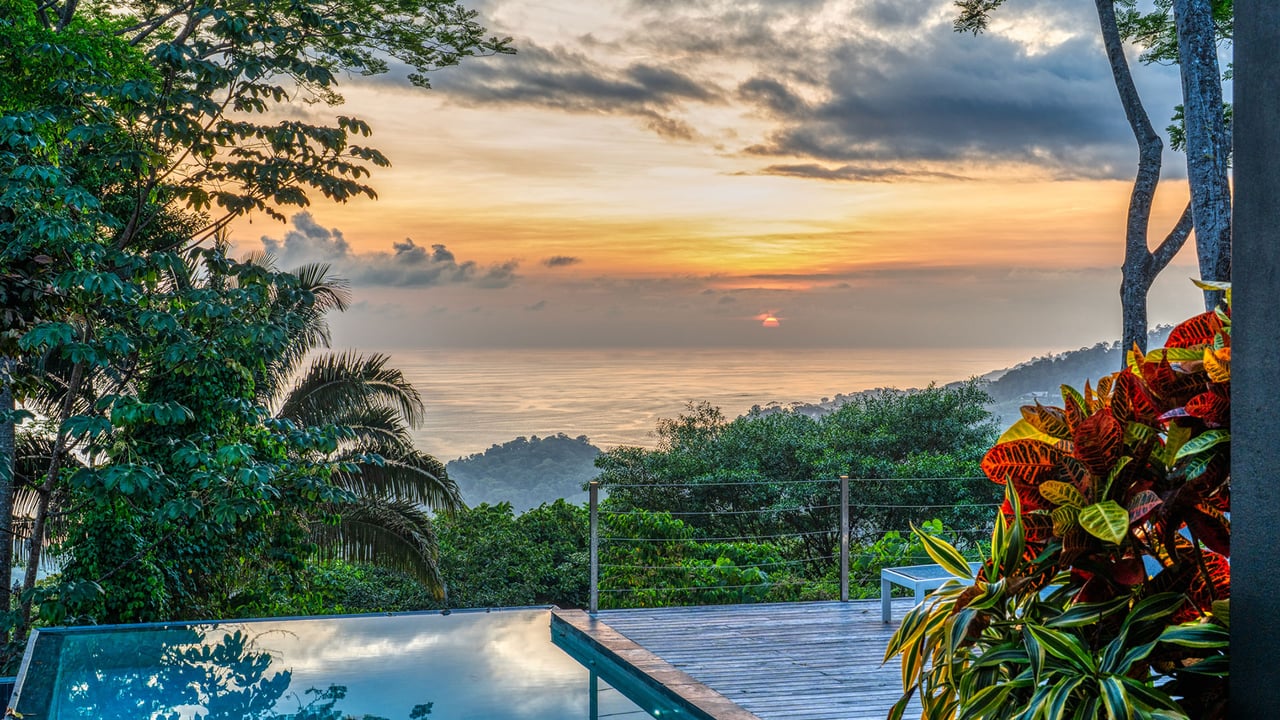
A Pacific Ocean view doesn't guarantee development value. Large acreage doesn't guarantee usable acreage. Water on or near the property doesn't guarantee development capacity. And a concept that looks extraordinary on a rendering doesn't guarantee the land can support it or that the market will buy it.
The strongest buyers and developers I've worked with are willing to ask the difficult questions before they become emotionally or financially committed.
That's how I approach Costa Rica development land with you. We define what you want to create, investigate the property, bring in the appropriate professionals, test feasibility, evaluate the market, and understand the real cost of getting from raw land to a viable asset.
Over nearly three decades in Costa Rica real estate, I've learned that my value isn't simply knowing where opportunities are. It's helping you understand which opportunities are actually worth pursuing.
Evaluating Development Land in Costa Rica? Let's Talk.
If you're considering a development opportunity, hospitality project, strategic land acquisition, or significant private property in Costa Rica, I invite you to schedule a private consultation with me.
We'll talk through what you want to create, where you are in the process, and the questions that need to be answered before you move forward.