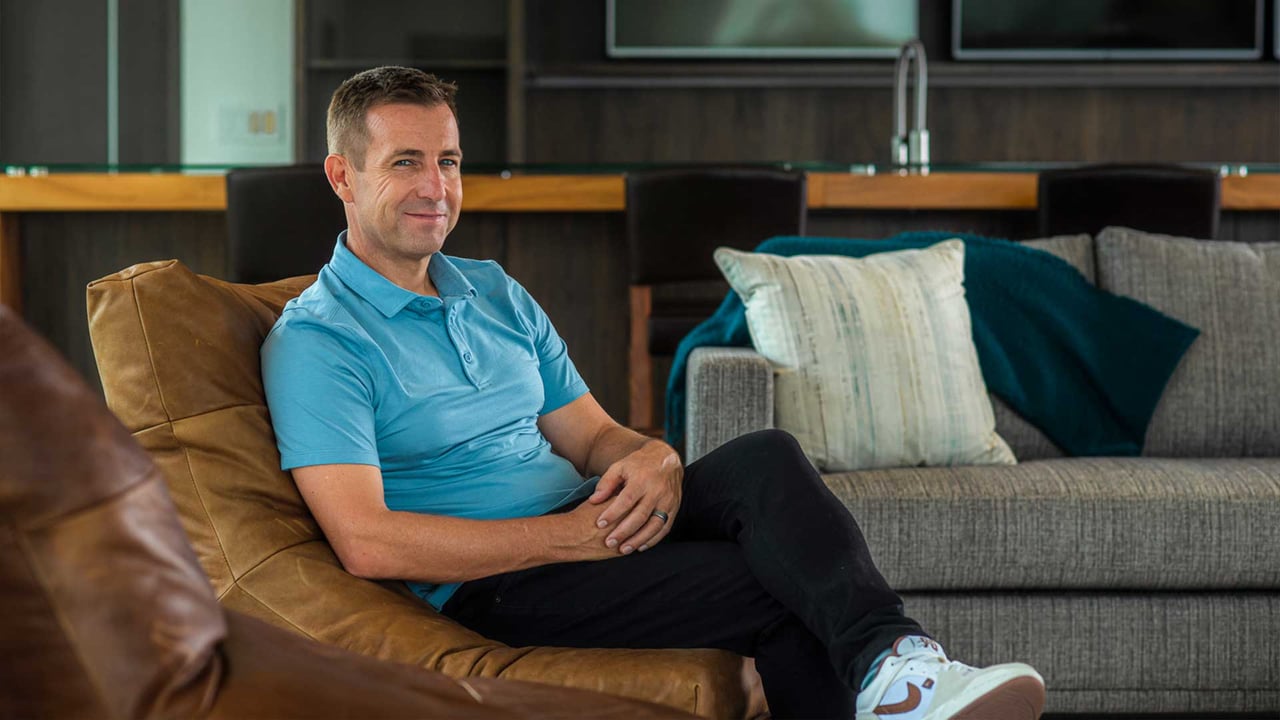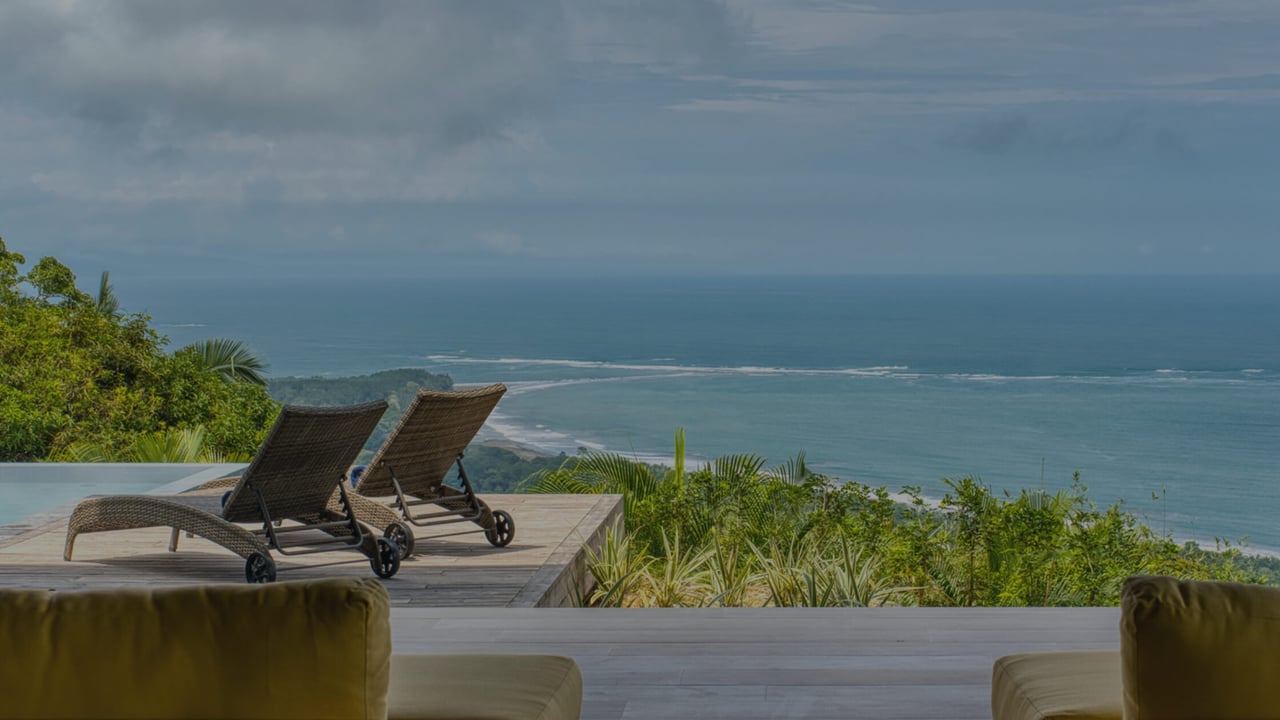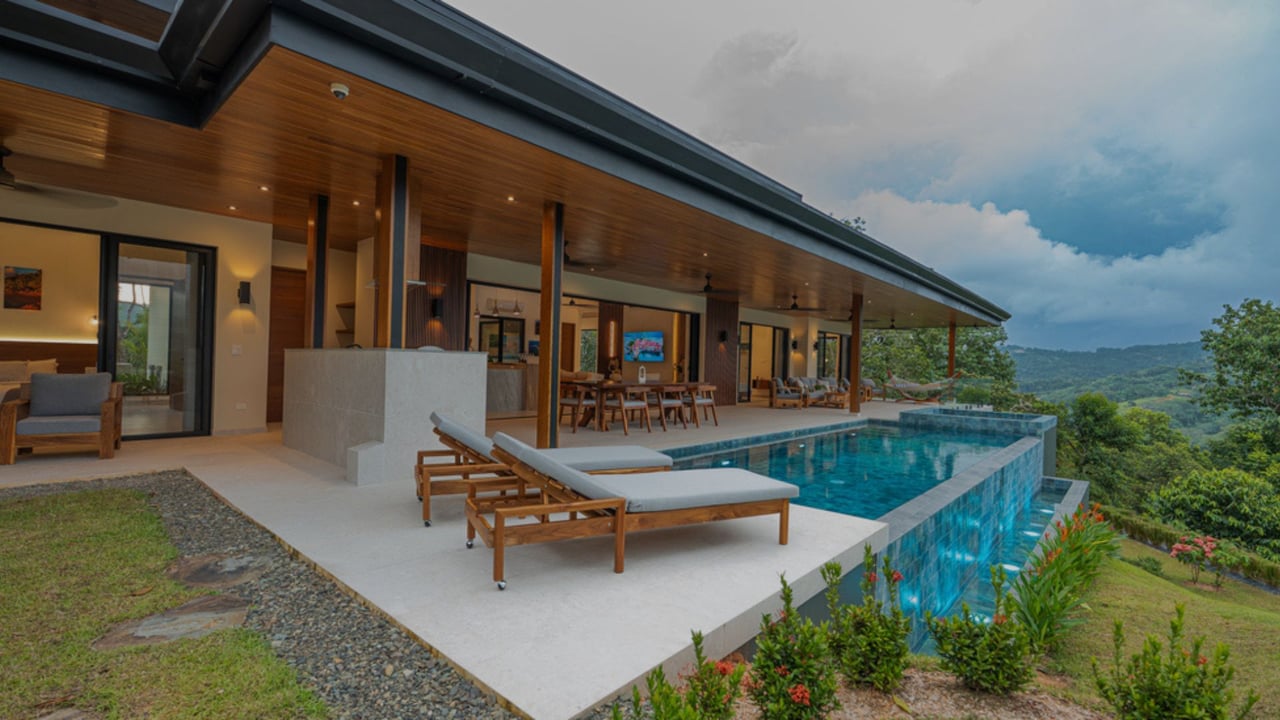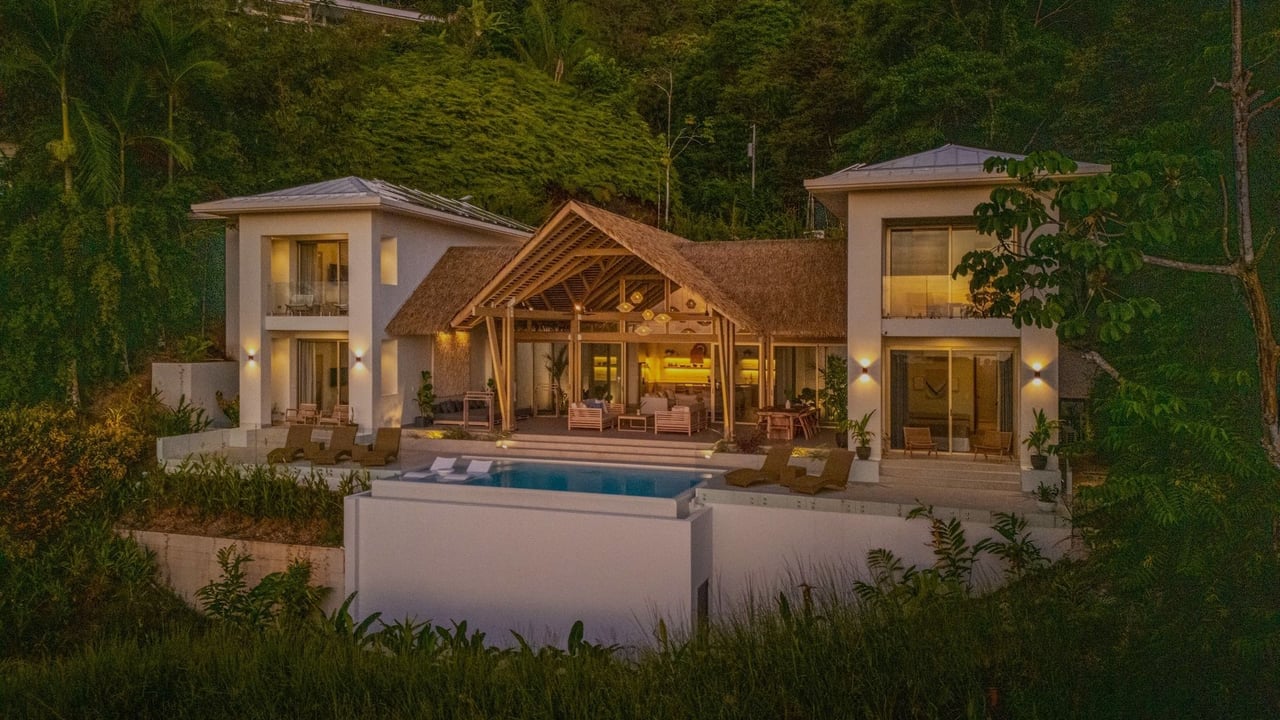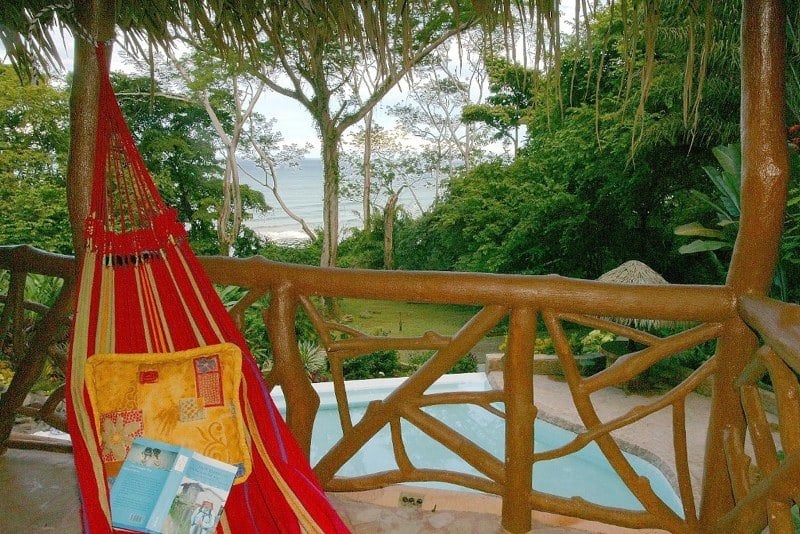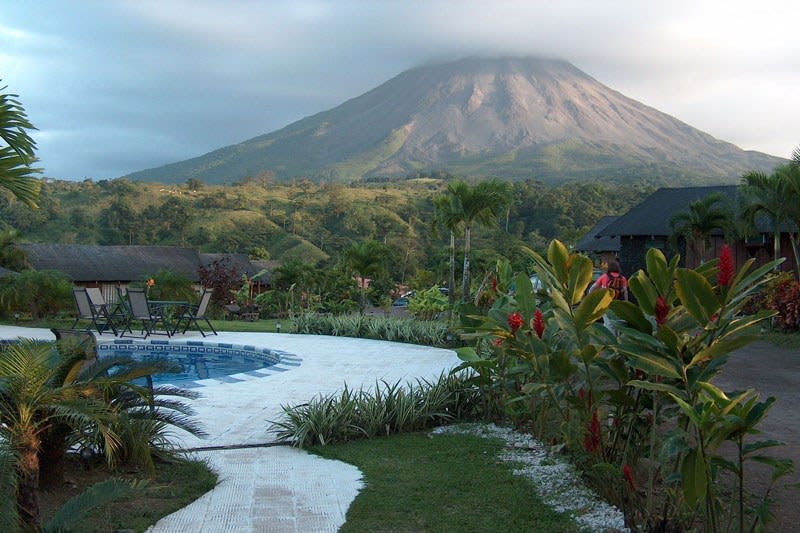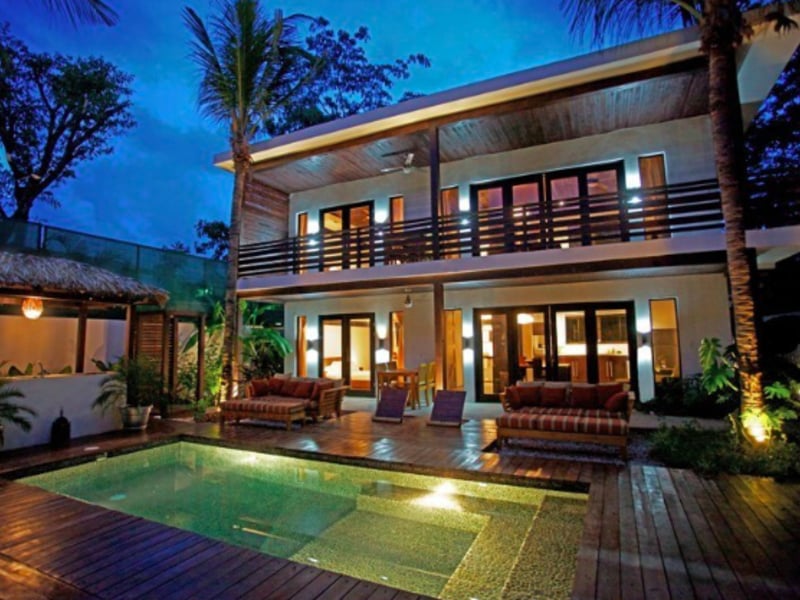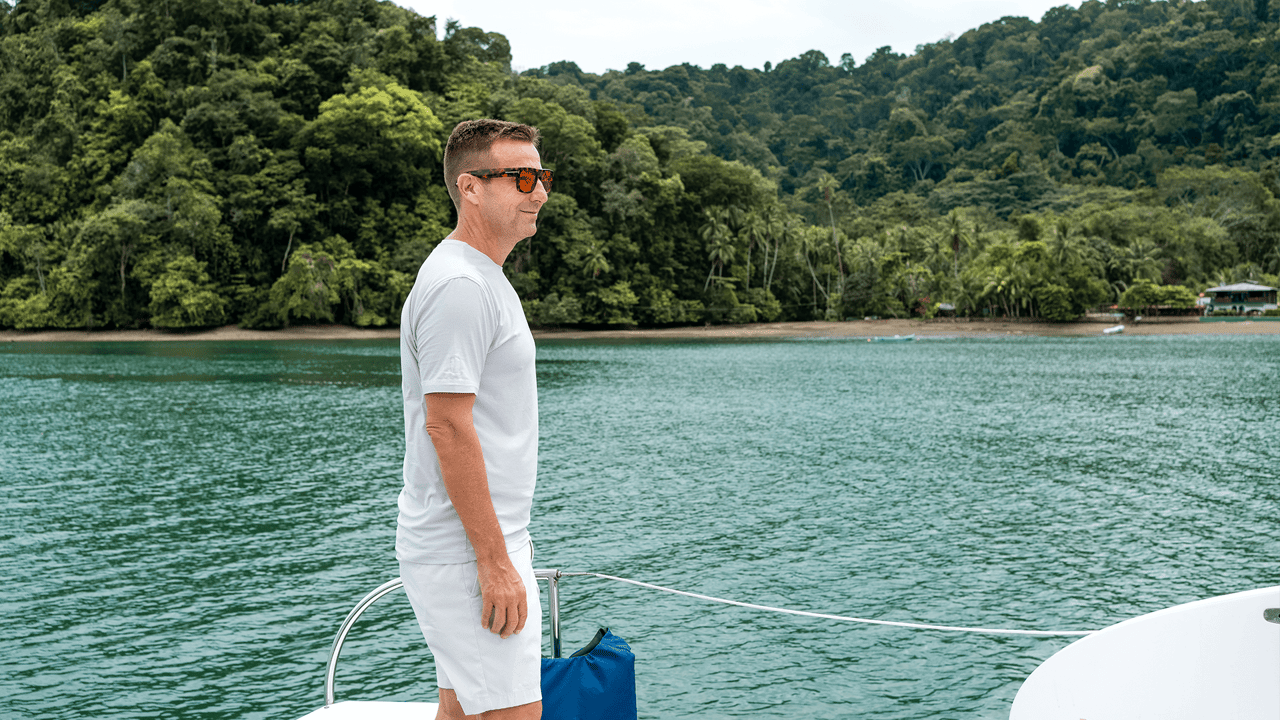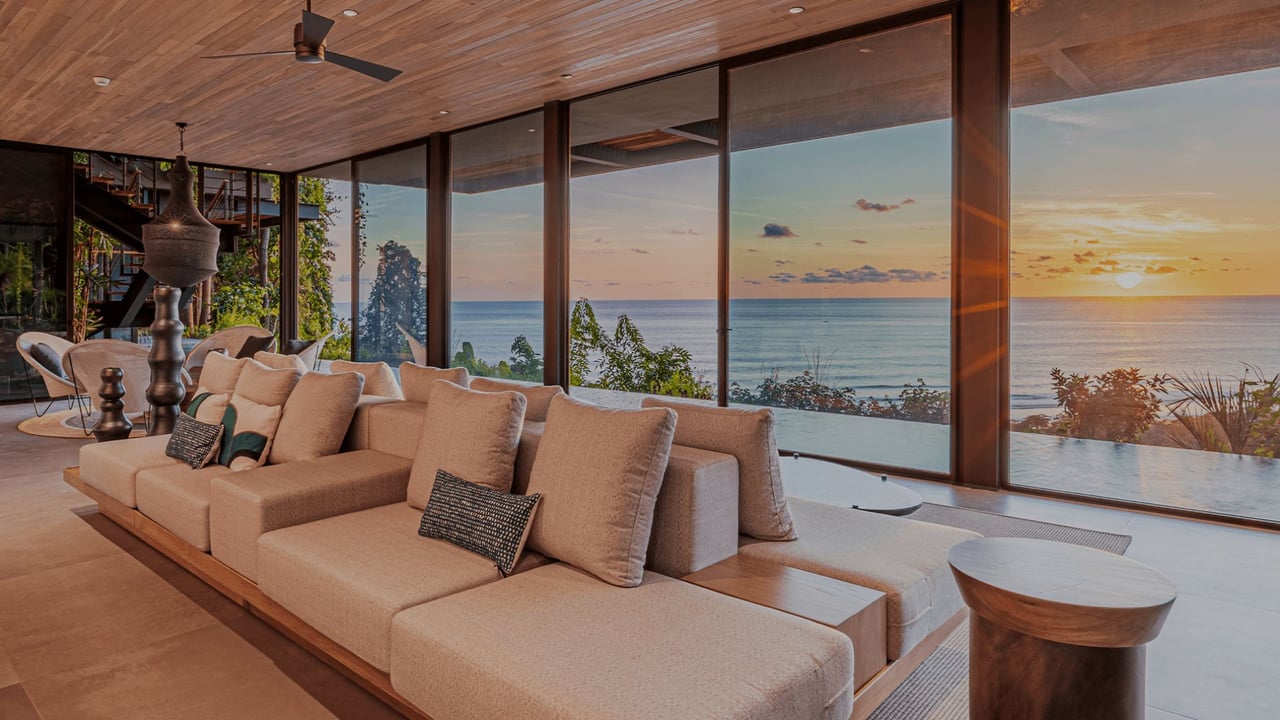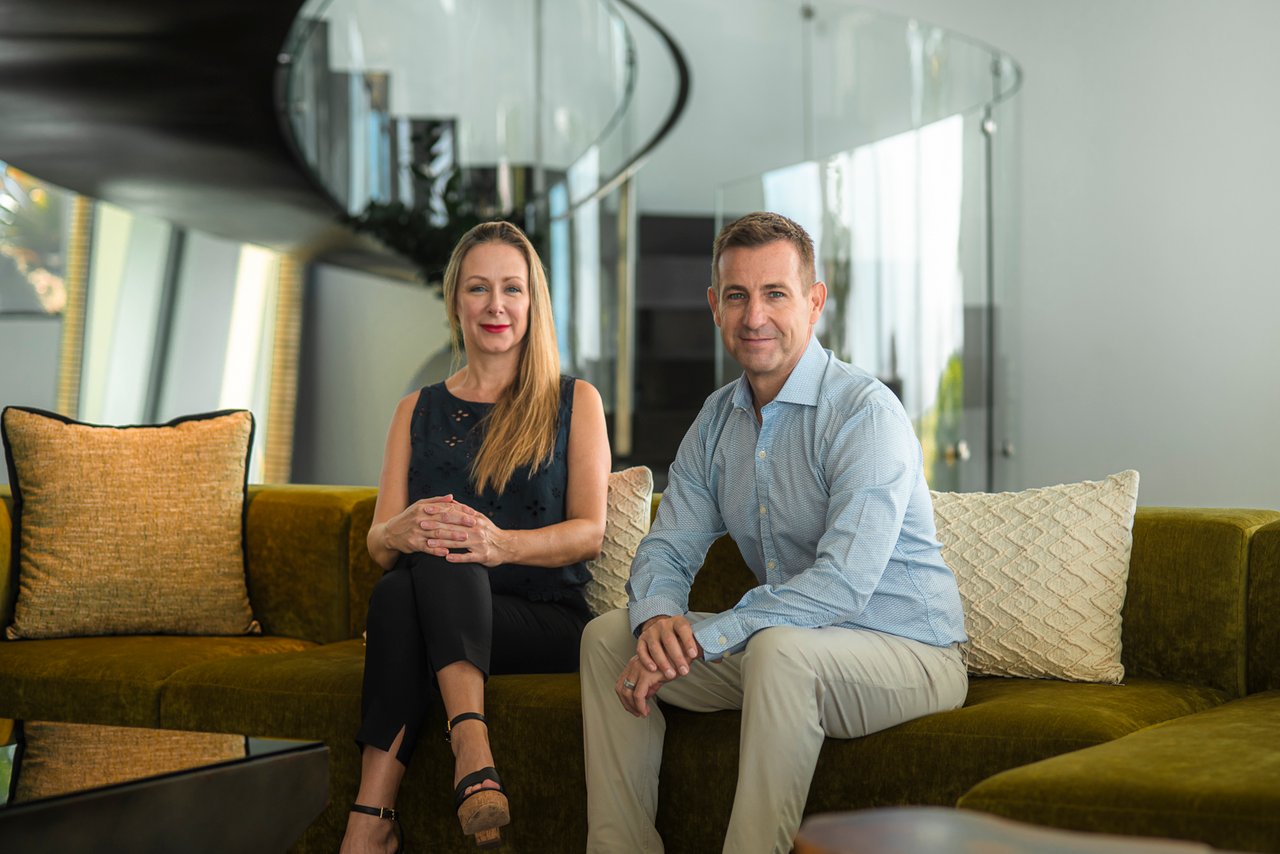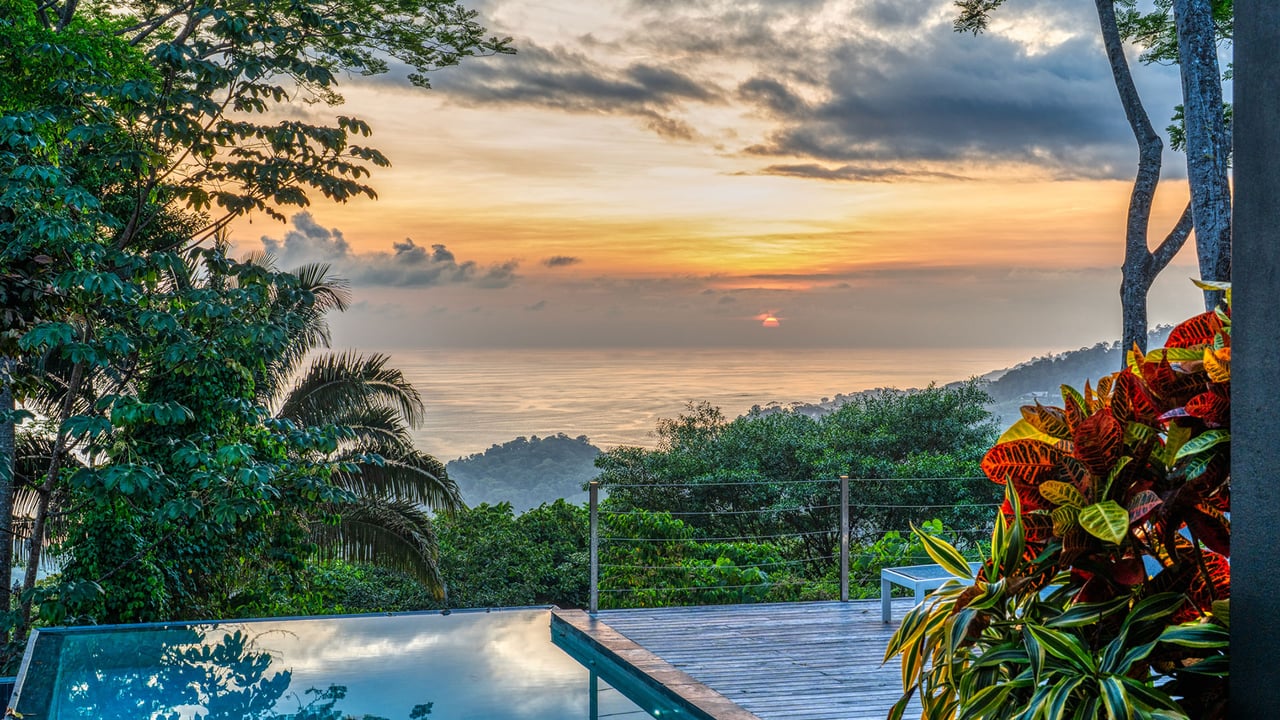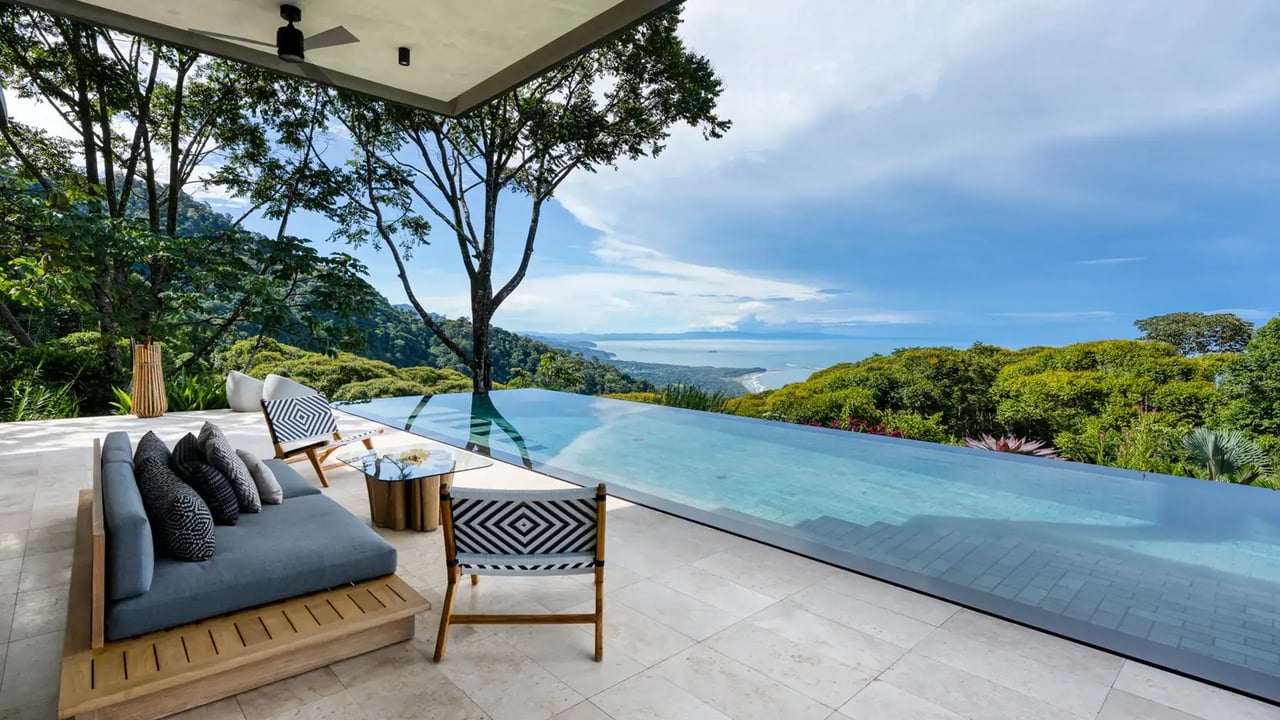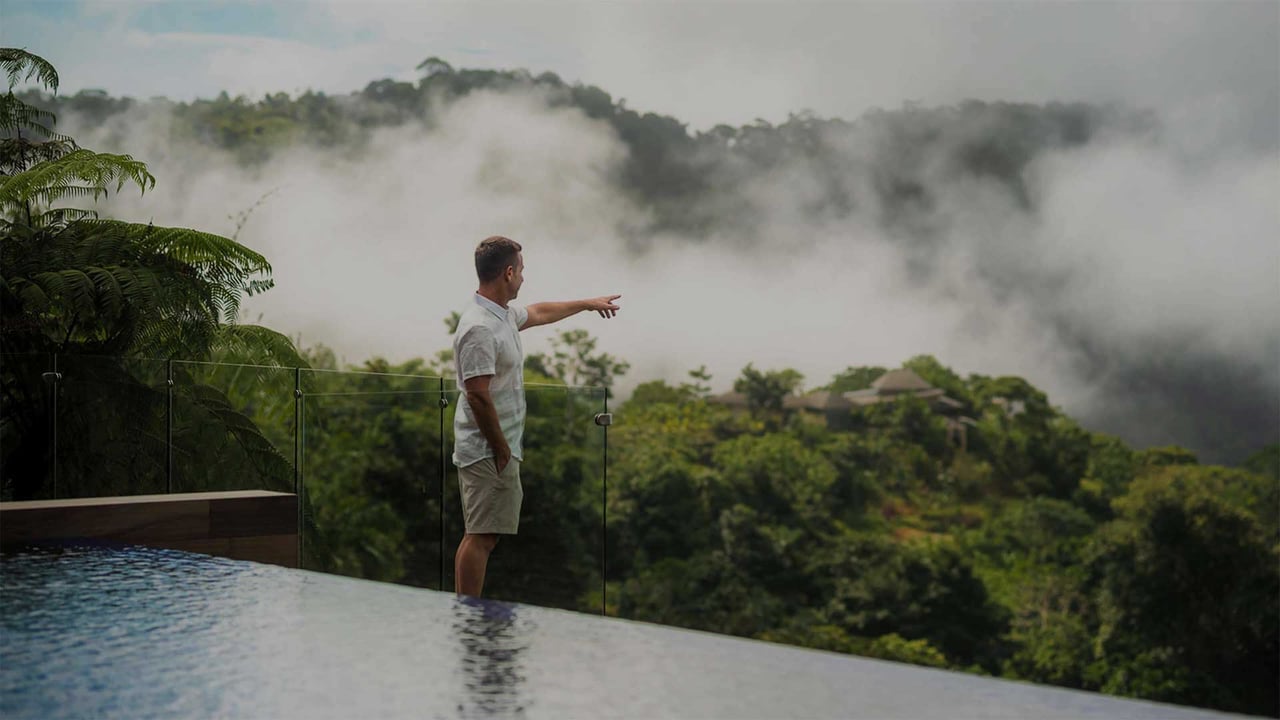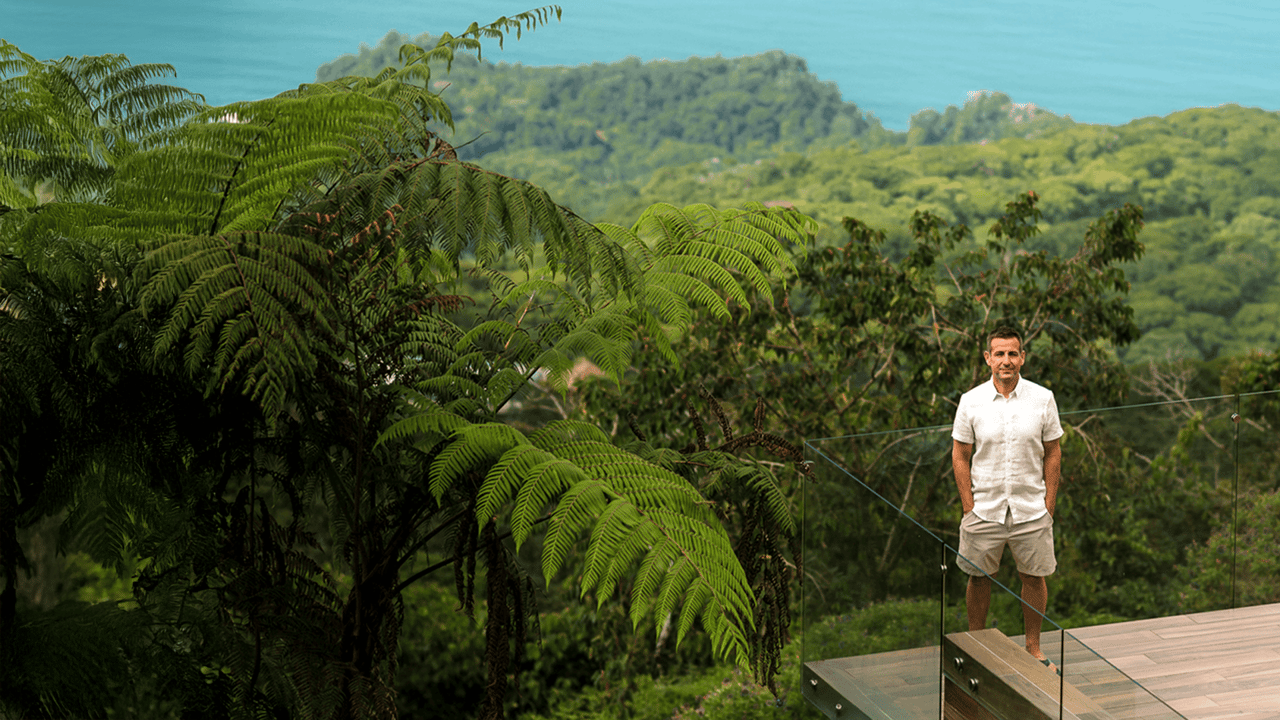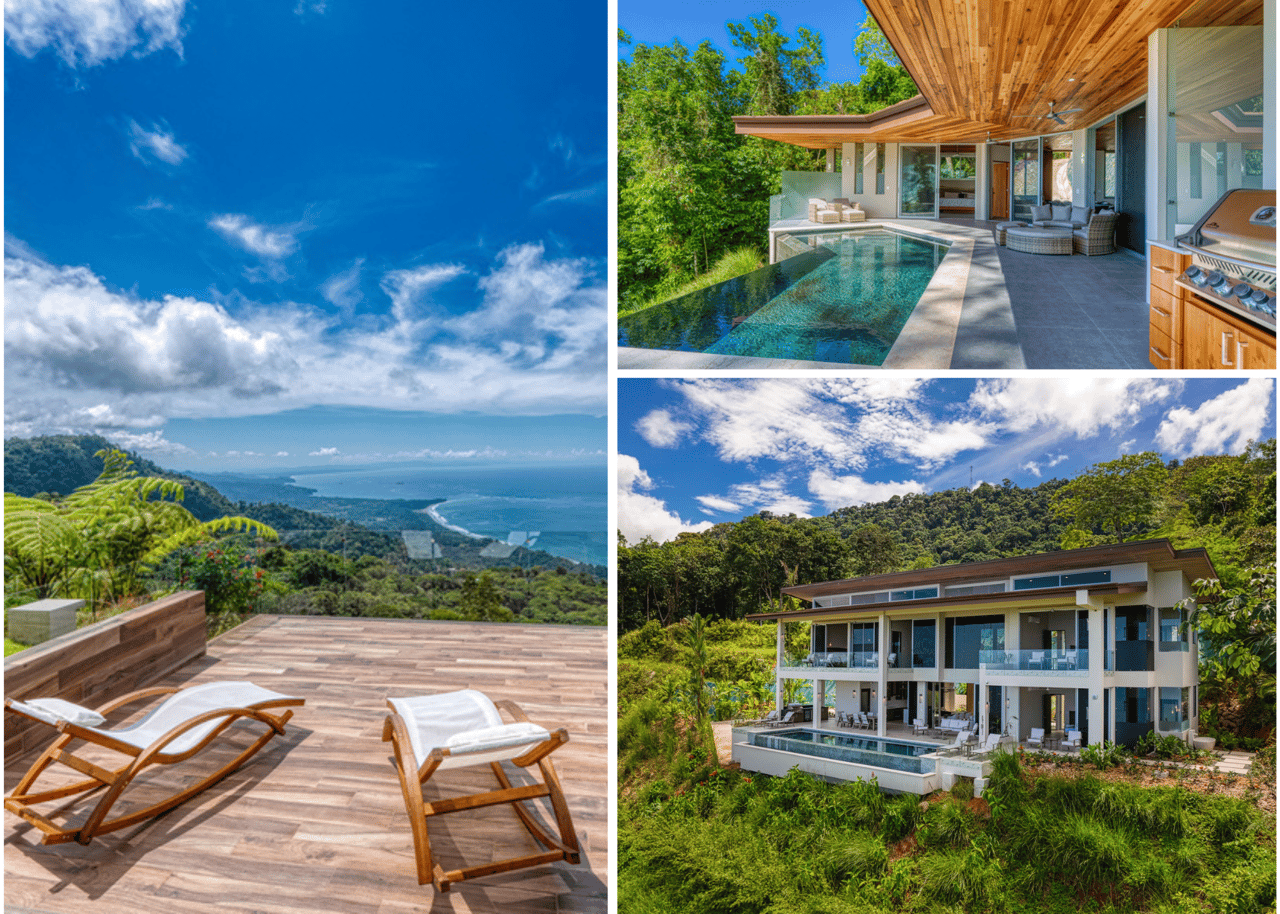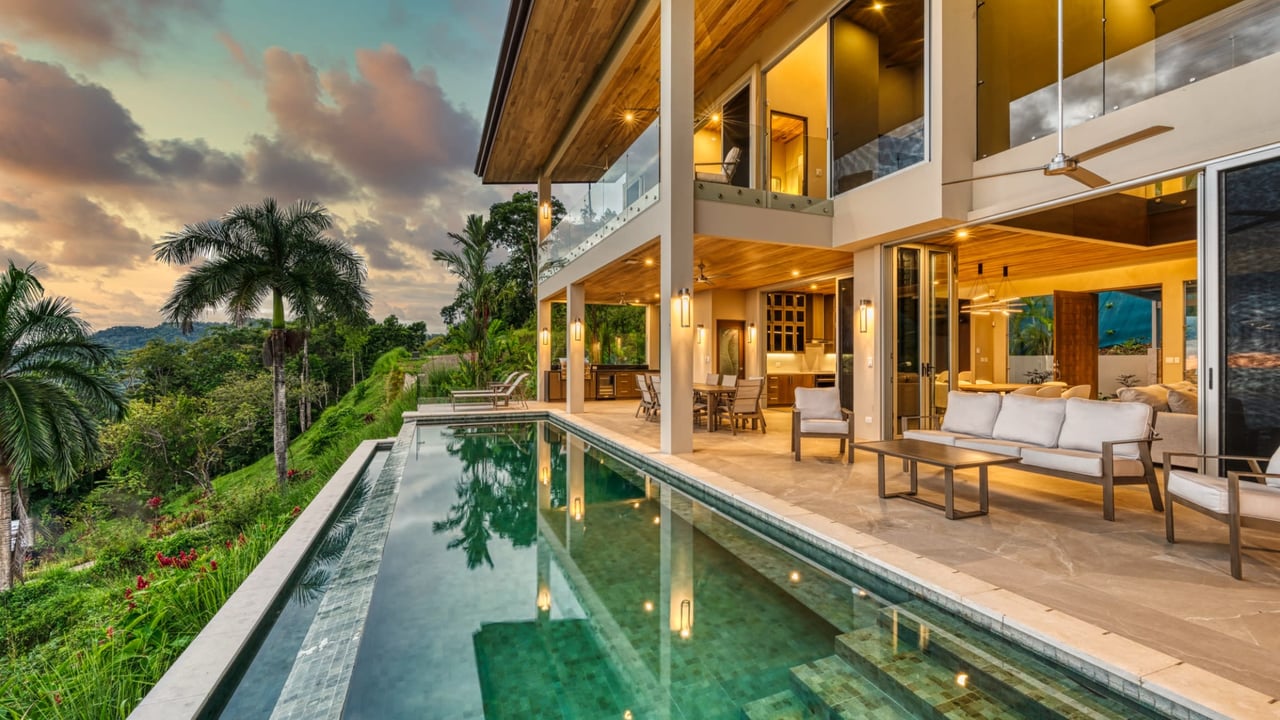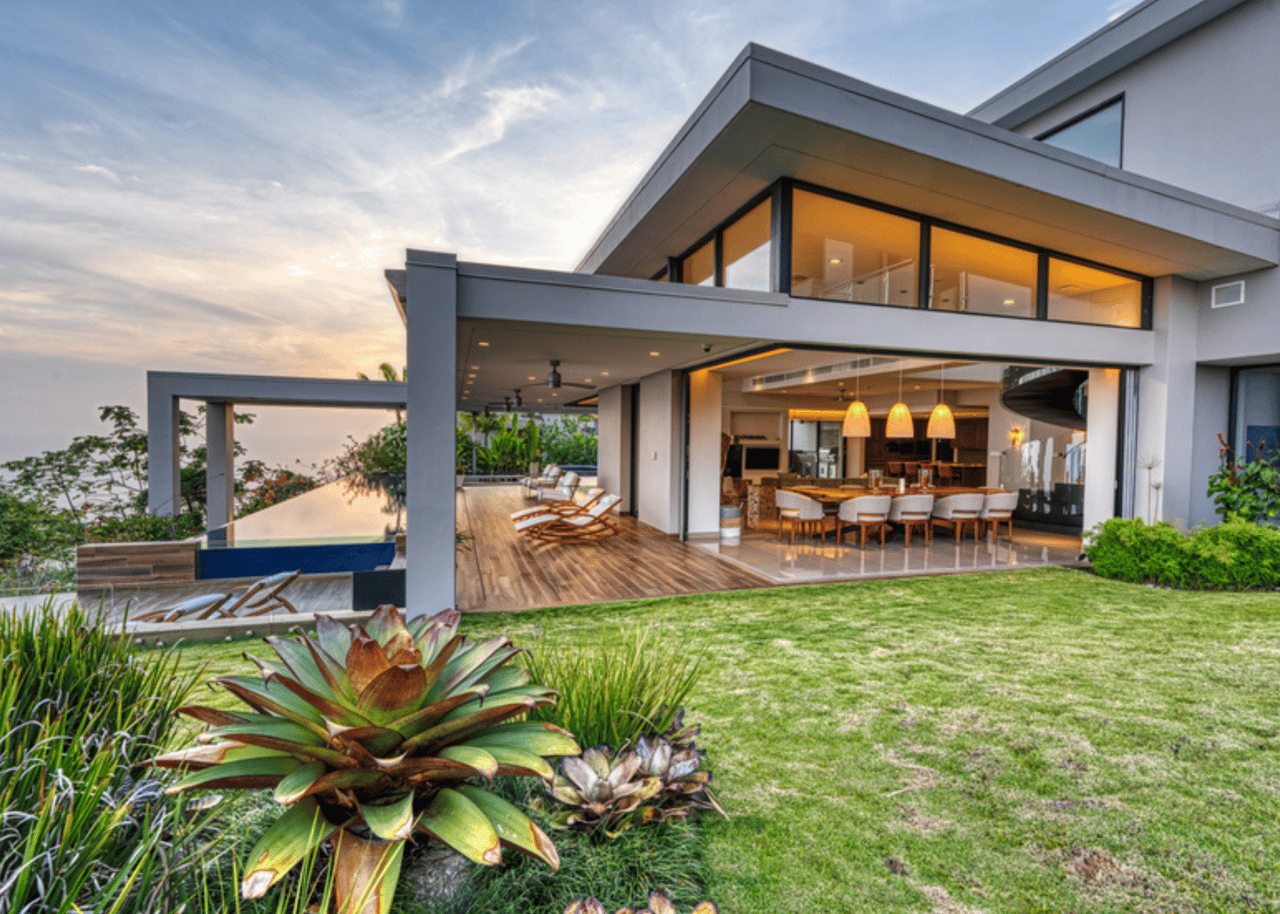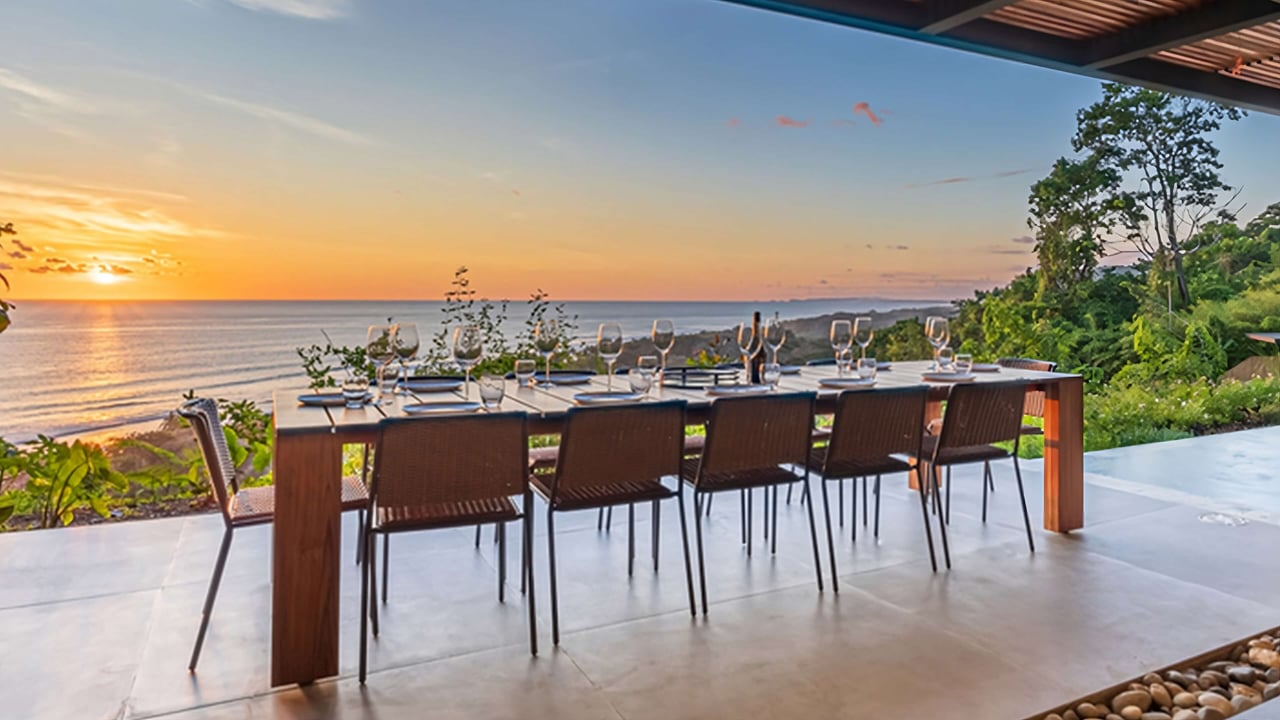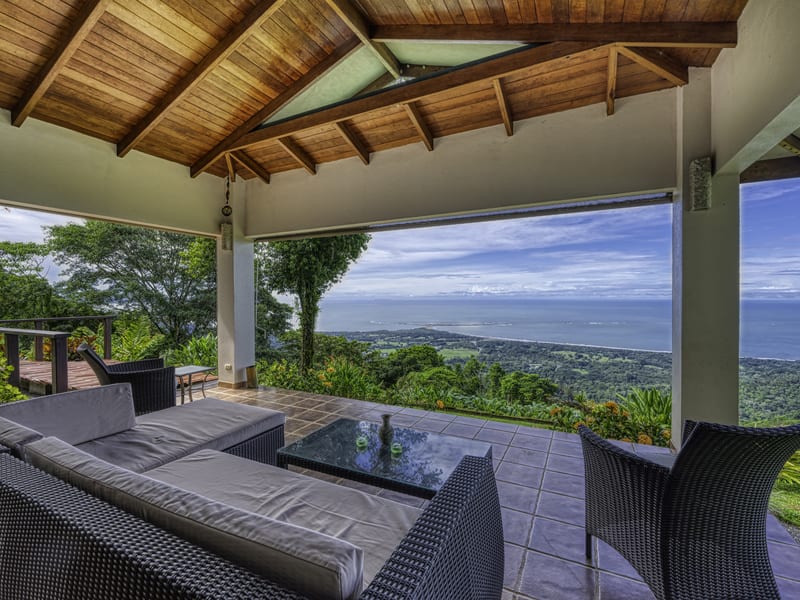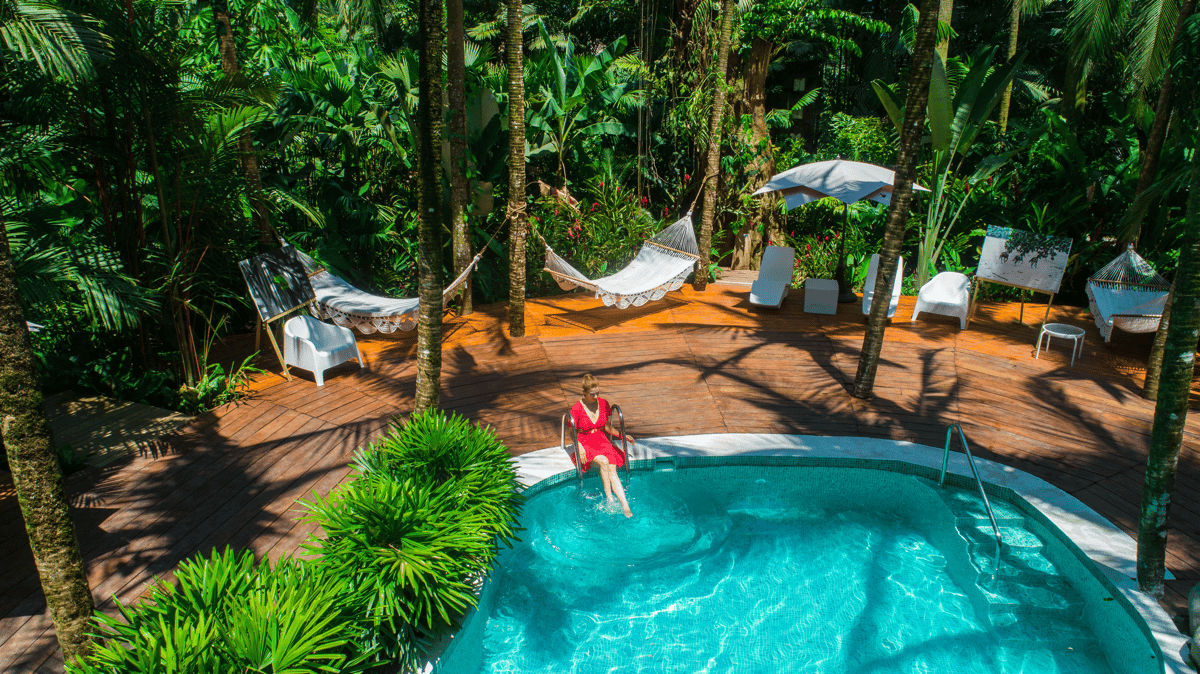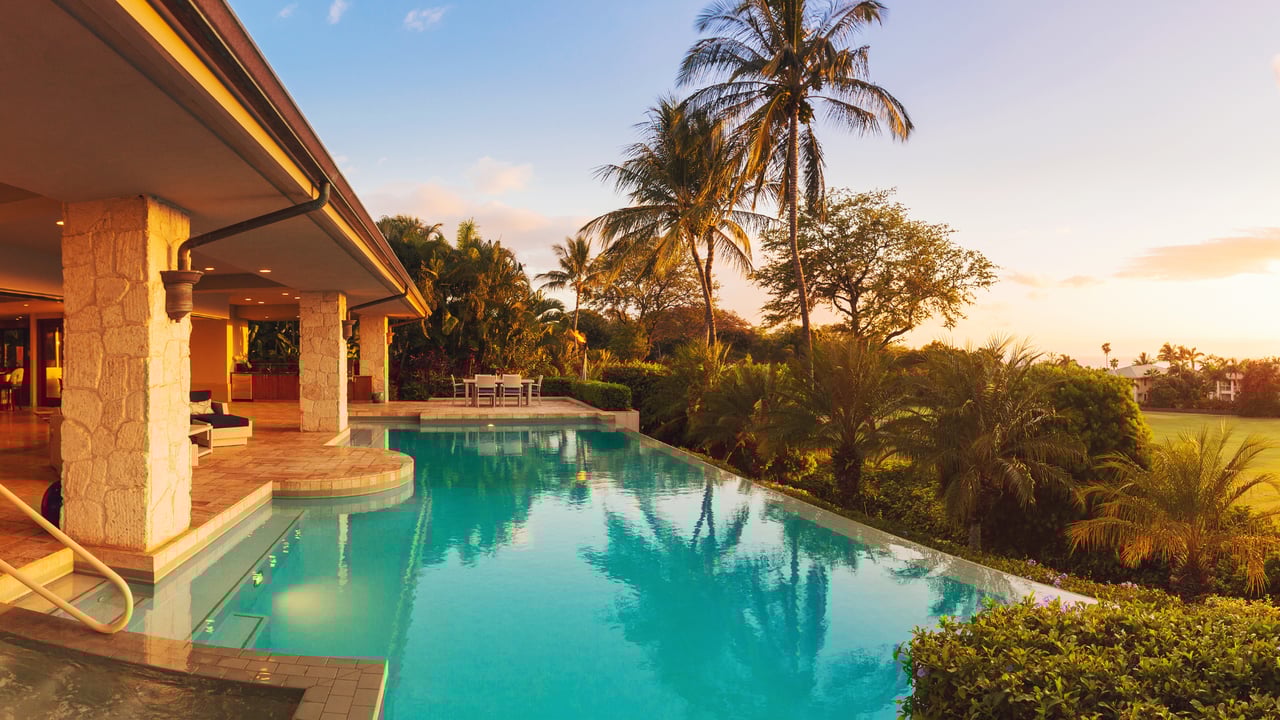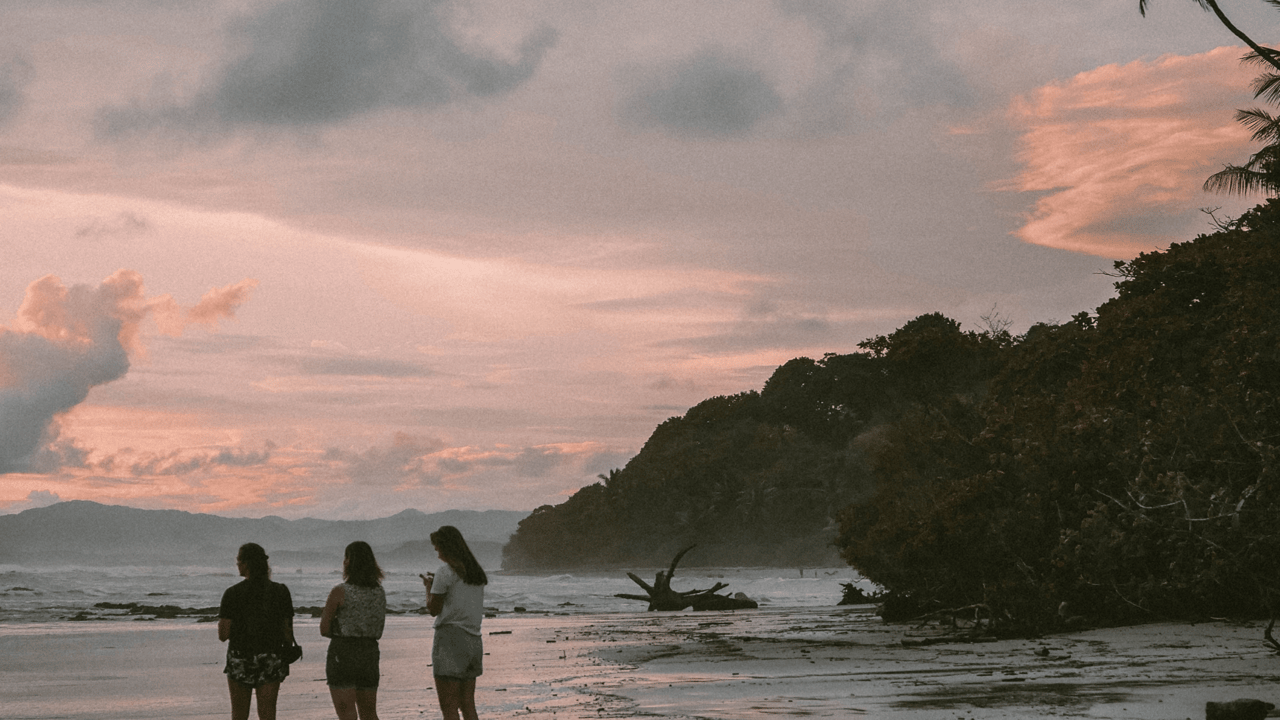
I came to Costa Rica in the 1990s for the waves and stayed for a way of life. More than two decades of advising private clients here have taught me where wellness value actually lives in a property. The most valuable wellness features of a Costa Rica home are the ones you cannot add later: its location, its access to care, its water, and the way it performs in this climate.
Today my family and I still live in Dominical, surrounded by the same ocean and rainforest that brought me here. For most of my career, that lifestyle was the unspoken reason clients called me. Now many of them ask about wellness by name. Some want a home gym and a sauna. Others are rethinking where and how their family will live for the next twenty years, and what kind of place will support them as they age. Both are valid goals. My role is to help them tell the difference between a wellness story and a wellness asset, before they commit capital to either.
Wellness Has Moved to the Center of Luxury Real Estate
The global numbers explain part of the attention. In May 2026, the Global Wellness Institute reported that the wellness real estate market reached $876 billion in 2025, up from $151 billion in 2017. It projects the market will reach $1.8 trillion by 2030. The category grew 23% from 2024 to 2025, while global construction overall grew just 3%.
The luxury segment is moving in the same direction. The Coldwell Banker Global Luxury Trend Report 2026, released in January, found accelerating demand for homes priced between $3 million and $10 million, as buyers prioritize wellness, space, quality, and long-term return.
The conversation is also becoming more sophisticated. In January 2026, the Global Wellness Summit named "longevity residences" as a new category within wellness real estate. These are homes and communities that integrate preventive medicine, diagnostics, and health tracking into daily life. In April 2026, the Global Wellness Institute noted that a growing number of developers now start with the land itself (its ecology, water systems, and agricultural capacity) and design the real estate around it. That second shift matters most for Costa Rica, because land is what this country does best. Taken together, the signals are clear:
Wellness real estate is growing far faster than construction overall
Luxury buyers are ranking wellness alongside space and long-term return
The category is moving from amenities toward medicine, land, and daily function
A Wellness Label Is Not an Appraisal
The Global Wellness Institute's June 2025 research found that wellness-focused homes in the middle and upper market can command premiums of 10% to 25% globally. That is a signal about the category, not a pricing formula for Costa Rica. I have not seen a verified dataset that isolates a Costa Rica wellness premium using closed sales. I continue to price every property on comparable sales, legal status, build quality, access, and operating costs.
The Cost of Ownership Is the Question Most Buyers Skip
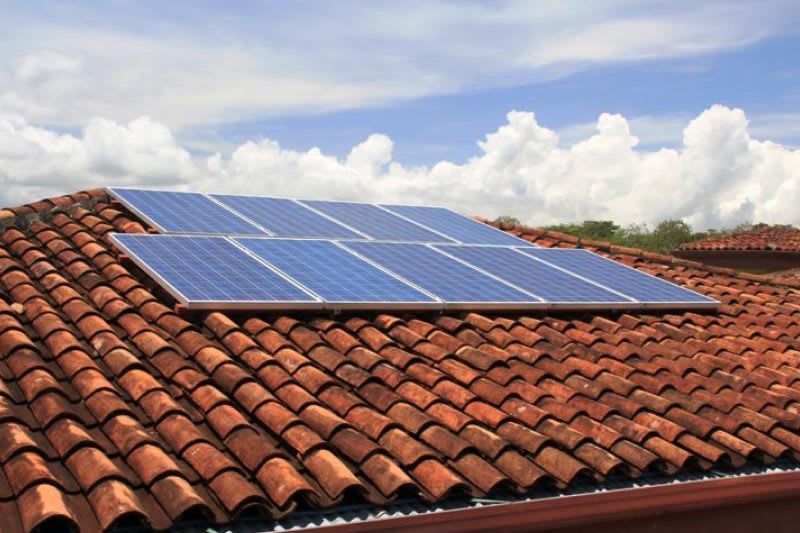
This is the question most buyers skip, and it is the one that protects them most. A wellness home carries two budgets: what you pay to acquire it, and what it costs to keep it performing. Water treatment, dehumidification, backup power, pool and spa systems, and landscaped grounds all need maintenance, and in a tropical climate that maintenance never stops.
When I evaluate what a buyer is really paying for, I separate the features that hold long-term value from the ones that are simply pleasant to have:
What you are paying for | Why it matters | How I weigh it |
Location and access | Proximity to healthcare, schools, and airports cannot be added later | The largest long-term driver of value |
Nature, land, and privacy | Protected views, usable land, and quiet are scarce on the coast | Difficult for the market to replicate |
Building infrastructure | Water, air, humidity control, and power protect health every day | Essential, and I expect it to be documented |
Programmed amenities | Spa, fitness, and wellness programs depend on an operator and fees | Valuable only when funded and well managed |
Standalone features | A sauna or cold plunge is easy to add or replace | Pleasant, but rarely drives price on its own |
Operating costs vary widely from one property to another, depending on the systems, the size of the home, and its exposure to the elements, which is why I ask for real service records rather than estimates. For homes inside a managed community, I also review the association budget, the reserves, and what the fees actually cover, since those fees vary by community and by the amenities they support. An amenity that the community cannot afford to maintain eventually becomes a liability for every owner.
Costa Rica's Wellness Reputation Is Real, but Labels Deserve Scrutiny
Nature, outdoor living, healthy food, and a slower pace have been part of how Costa Rica presents itself to the world for decades. The Global Wellness Institute's January 2026 country rankings placed Costa Rica among the smaller markets whose total wellness economy grew more than 9% a year between 2019 and 2024. That figure covers the broader wellness economy, not property sales. Still, it confirms that the infrastructure behind the lifestyle, from retreats to healthy dining to outdoor recreation, continues to grow.
Nicoya's Blue Zone Story Has Changed
Here I encourage caution. A 2023 study in Demographic Research found that Nicoyan men born in 1905 had 33% lower adult mortality than other Costa Ricans, while those born in 1945 had 10% higher mortality. The original longevity hotspot has contracted to a smaller corridor in the south of the peninsula. Nicoya's heritage is real and worth understanding, but no property inherits it. Before a client pays for any label, I ask:
Is the claim supported by current, published evidence?
Does it describe the property itself or only its region?
Would the property hold its value if the label disappeared tomorrow?
Healthcare Access Is the Wellness Feature Families Cannot Overlook
For families moving here full time, and for clients who plan to age in place, healthcare access is the most important wellness feature of all. It is also the one most often left until after closing.
On the South Pacific coast, the regional public hospital, Hospital de Osa Tomás Casas Casajús, is in Ciudad Cortés, south of Uvita and Ojochal. Inland, San Isidro de El General is home to Hospital Dr. Fernando Escalante Pradilla and several private clinics. The country's largest private hospitals are concentrated in the Central Valley. Urgent care clinics along the coast, including in Uvita, can coordinate ground and air ambulance transfers to San José when needed. Travel times depend on the exact location of the property, the road conditions, and the season, so I encourage every family to test them in person.
Before a family commits to a property, I encourage them to:
Map the drive to the nearest emergency care at night and during the rainy season
Identify a private clinic and a pediatrician or primary care physician before the move
Review international health insurance and air evacuation coverage
Confirm with qualified counsel how residency interacts with Costa Rica's public health system, the CCSS
Consider how the home will serve them in ten or twenty years: single-level living, safe paths, and easy access to daily needs
That last point reflects a broader shift. The Global Wellness Institute's 2026 Aging Well trends describe wellness real estate that is increasingly designed around everyday function, such as climbing stairs and carrying groceries, rather than abstract fitness goals. A dramatic hillside view is worth far less if the driveway becomes a daily risk. For families weighing schools and community alongside healthcare, I cover those decisions in Why High-Net-Worth Families Are Relocating to Costa Rica.
I Evaluate Every Wellness Property in Four Layers
I evaluate every wellness opportunity in four layers, always in this order:
Layer | The question I ask | What I look for |
Legal and site viability | Can this property legally and physically deliver the lifestyle? | Title, registered access, land use, legal water, environmental status, coastal rules |
Healthy building performance | Does the building protect the people inside it? | Humidity control, air and water quality, daylight, acoustics, thermal comfort |
Lifestyle design | Does the property make healthy routines easy? | Indoor and outdoor living, movement, nature, restorative space, food |
Service and community | Can the promise be maintained for years? | Management, maintenance, healthcare access, social life, reserves |
Advanced amenities can add real value, but only after a property clears the first two layers. For land and larger acquisitions, I walk through the full legal and technical review in Due Diligence When Acquiring Development Land in Costa Rica.
Beachfront deserves a specific note. Under Costa Rica's Maritime Terrestrial Zone Law, the 200 meters measured from the ordinary high-tide line belong to the state. The first 50 meters are public. The remaining 150 meters are generally held through municipal concessions, which carry their own restrictions. Being close to the ocean never makes up for unclear rights, so I always involve qualified Costa Rican counsel before a client commits.
In a Tropical Climate, a Healthy Home Starts With Moisture Control
Moisture is the most underestimated wellness issue on the Costa Rican coast. The U.S. Environmental Protection Agency recommends keeping indoor humidity below 60%, ideally between 30% and 50%. It also recommends drying wet materials within 24 to 48 hours to prevent mold growth. A meditation room adds little if the roof, ventilation, and mechanical systems cannot manage humidity.
When I review a finished home, I ask for evidence rather than promises:
Water test results from a certified laboratory
Dehumidification and air conditioning specifications
Roof, gutter, and drainage details
Maintenance and service records for every major system
Backup power and water storage capacity
Resilience belongs in the same conversation. Backup power, water storage, drainage, and safe access during the green season keep a healthy lifestyle working when conditions are difficult. A well-documented home in a humid climate will almost always serve its owners better than a beautifully styled one with no records.
My Clients Taught Me That Wellness Is Built, Not Added
Years ago, a couple came to me looking for land around Dominical where they could retire one day. At the time, the drive from Quepos was an hour on a bumpy dirt road, and the planned paving of that road was central to their thinking. They fell in love with a high ocean-view lot that cost twice what they had planned to spend. Before they closed, I reminded them of their original budget and showed them lots within it. They chose the lot they loved, but they chose it with full information. That is how I believe these decisions should be made.
With another couple, the most important work began after we found the property. I connected them with reputable attorneys and architects and helped coordinate road, electricity, and water improvements on their behalf. None of that appears in a listing photo, yet it determined whether their home would actually support the life they came here for.
Both experiences taught me the same lesson. Wellness is not something a buyer adds at the end. It is built into access, infrastructure, honest guidance, and the relationships that surround a property long after closing.
The South Pacific Coast Offers a Different Wellness Model
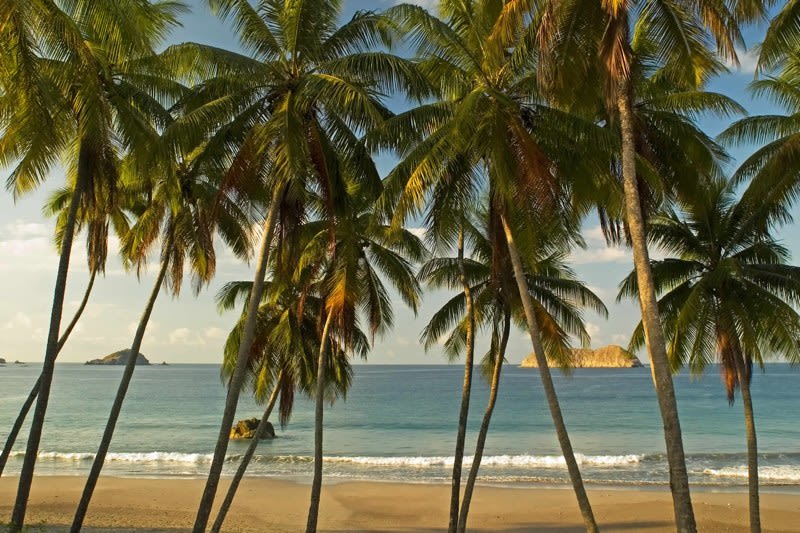
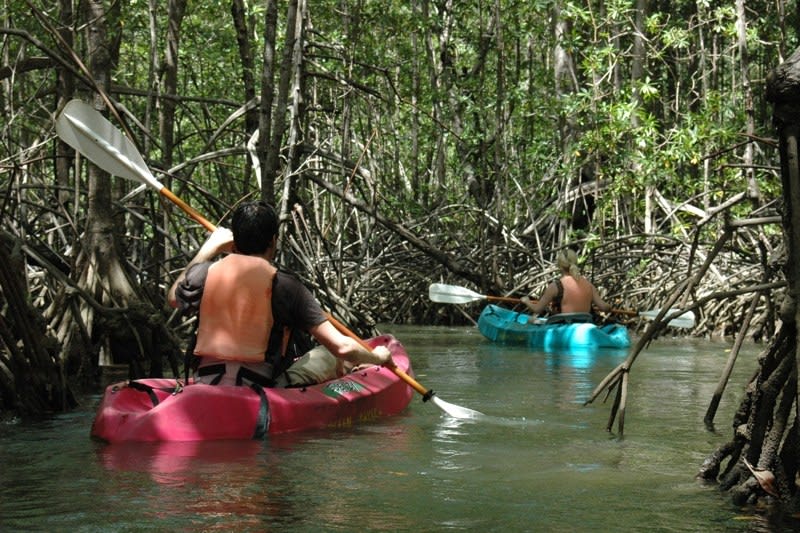
Nosara and Guanacaste have built strong wellness identities, and they deserve the attention. My home coast offers something different. Dominical, Uvita, Ojochal, and the Ballena coastline combine rainforest and ocean, generous land, privacy, and a boutique scale that suits private residences, family compounds, and carefully planned retreats. You can explore the region in my Dominical and Ballena Coast guide.
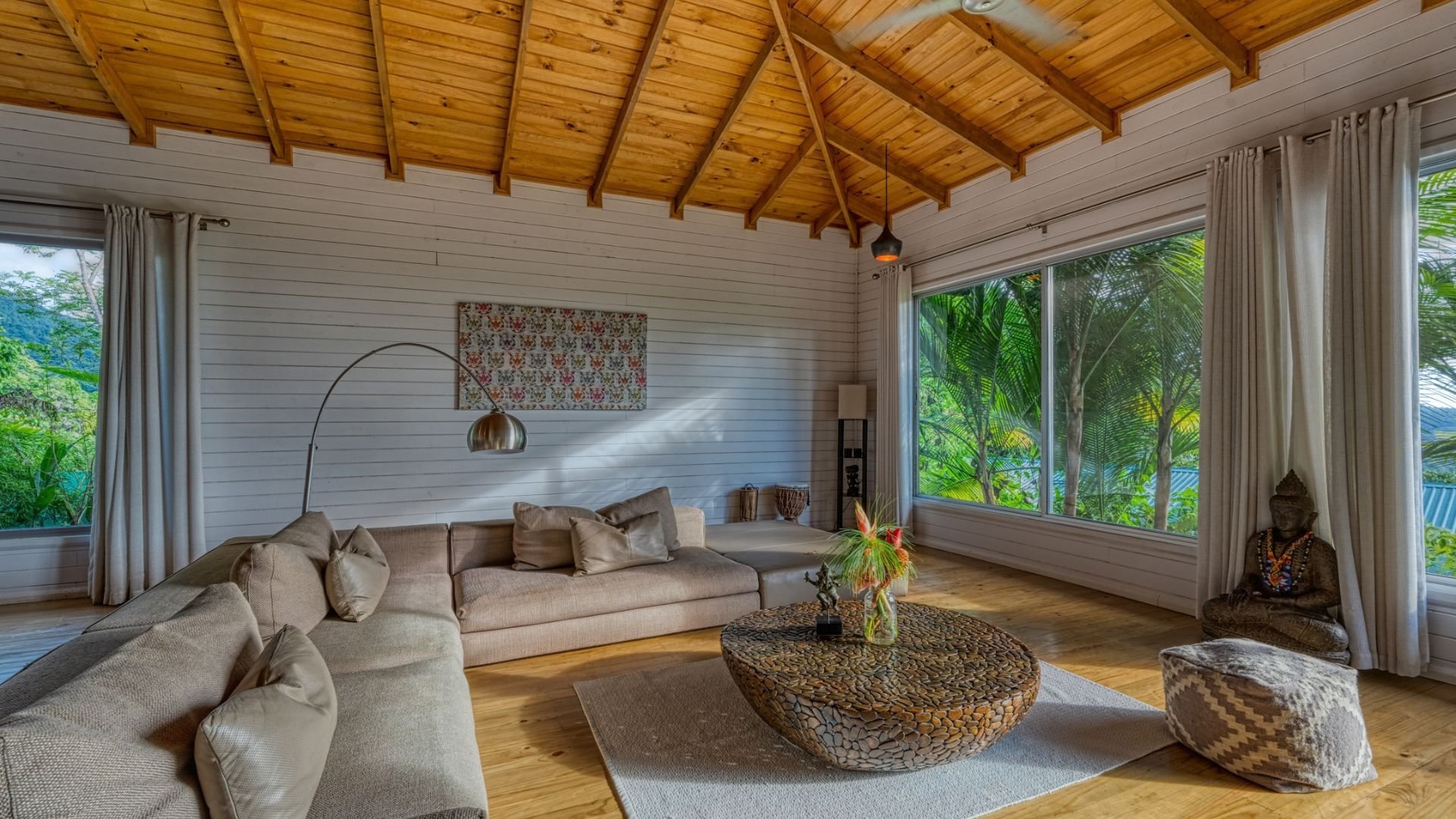
The opportunities here range from private estates to wellness-oriented hospitality:
Tinamastes Retreat, in the Dominical region, is positioned for yoga retreats, wellness programming, and group experiences
Villas Alturas, above the coast near Dominical, combines an operating hospitality business with ocean-view land that could support additional accommodations or wellness facilities
Private estates and family compounds with the land, privacy, and infrastructure to support a healthy way of living
For investors, these properties show how wellness can function as both a lifestyle and a business model. For families, they show what the region's wellness economy is building around them.
I know this coastline from the ground up. I have represented some of its most significant transactions, including the primary beachfront development land for Playa Dominical and a 330-acre beachfront and ocean-view parcel in Playa Hermosa. I am President of Coldwell Banker Costa Rica, Co-Founder of Coldwell Banker Vesta Group, and a Coldwell Banker Global Luxury Ambassador. I hold the Certified International Property Specialist (CIPS) and Certified Luxury Home Marketing Specialist (CLHMS) designations, and since 2021 I have ranked among the Top 20 Luxury Brokers in Central America and the top 1% of Coldwell Banker agents worldwide. Together, that gives me both local depth and a global platform to bring to every evaluation.
Frequently Asked Questions About Wellness Real Estate in Costa Rica
Q1: What is wellness real estate?
Wellness real estate is property that is designed, built, and operated to support the physical, mental, and social health of its residents. In Costa Rica, I evaluate it through four layers: legal and site viability, healthy building performance, lifestyle design, and the service, community, and healthcare access that sustain it over time.
Q2: Do wellness homes in Costa Rica sell for more?
Research from the Global Wellness Institute found that wellness-focused homes in the middle and upper market can command premiums of 10% to 25% globally. No verified dataset isolates a Costa Rica premium yet, so I price each property on comparable sales, legal status, build quality, access, and operating costs.
Q3: What does it cost to maintain a wellness home in Costa Rica?
Costs depend on the systems involved. Water treatment, dehumidification, backup power, pools, and grounds all require continuous maintenance in a tropical climate. Before buying, request service records and realistic annual operating costs. For community properties, review the association budget, the reserves, and what the fees cover.
Q4: Is healthcare accessible near Dominical and Uvita?
Yes, with planning. The regional public hospital is in Ciudad Cortés, south of Uvita, and San Isidro de El General offers a public hospital and private clinics. The largest private hospitals are in the Central Valley. Families should map drive times and review air evacuation coverage before buying.
Q5: Is the Nicoya Peninsula still a Blue Zone?
Only partially. Research published in 2023 found that Nicoya's longevity advantage belongs mainly to men born in the early 1900s and has faded in later generations. The remaining hotspot has contracted to a smaller corridor in the south of the peninsula. A property there does not inherit Blue Zone outcomes.
Q6: Can foreigners buy beachfront property in Costa Rica?
Foreigners can generally own titled property in Costa Rica with the same rights as citizens. Beachfront is different. The Maritime Terrestrial Zone covers 200 meters from the high-tide line. The first 50 meters are public, and the remaining 150 meters are usually held through a municipal concession with specific restrictions.
Q7: What should I check in a wellness home in a humid climate?
Start with moisture control. The U.S. EPA recommends keeping indoor humidity below 60%, ideally between 30% and 50%. Ask for dehumidification and ventilation specifications, roof and drainage details, water test results, and maintenance records. Documentation matters more than impressive amenities.
Q8: What is a longevity residence?
It is an emerging category of wellness real estate, named by the Global Wellness Summit in 2026, that integrates preventive medicine, diagnostics, and health tracking into residential life. In Costa Rica, I advise clients to verify who delivers the medical services, how they are funded, and what happens if the operator changes.
Final Thoughts: What You Cannot Add Later
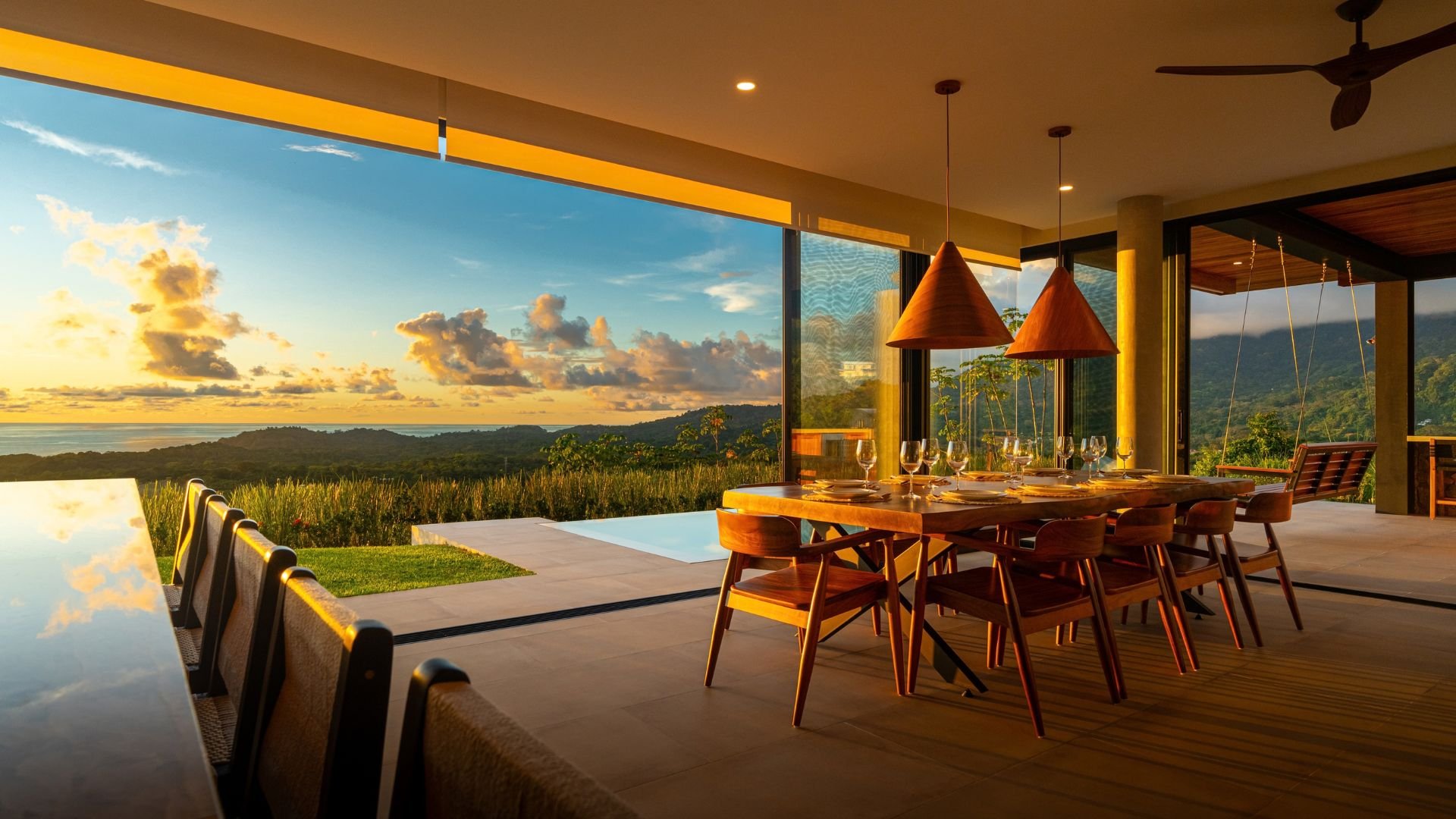
The waves brought me to Costa Rica, but they are not what kept me here. What kept me was a way of living that the land, the water, and the people of this country make possible every day. That is still what I look for when I walk through a property with a client. A sauna can be installed in a week. The right location, reliable water, a home that breathes in this climate, and a community you want to grow old in cannot be added later. Those are the things worth paying for, and the things worth protecting. When a family finds them, wellness stops being a feature on a listing and becomes the way they live.
Whether you are planning a family relocation, searching for a private residence, or evaluating a wellness-oriented investment, the right decision starts with an honest review of both the property and the place. I invite you to schedule a private consultation with me to review your wellness options in Costa Rica and find the ones that align with your long-term goals.