After more than 25 years in the Costa Rica real estate market, I have learned that successfully selling an exceptional property requires much more than professional photography, advertising, and putting a listing online.
The real work begins long before a property reaches the public market.
Every luxury property has its own personality, unique characteristics, and potential buyer. My responsibility is to recognize what makes that property special, understand its true market position, and develop a strategy that creates excitement among the right buyers.
At Coldwell Banker Costa Rica and Vesta Group, we have the advantage of 17 offices throughout the country, extensive local market knowledge, and relationships with luxury brokers, investors, and international real estate professionals.
But having a large network is only part of the equation. Knowing how and when to introduce a property to that network is what makes the difference.
For me, bringing a luxury property to market comes down to understanding what makes it exceptional, identifying the right buyer, preparing it properly, creating the right marketing strategy, and pricing it with confidence.
I Start by Looking for What Makes a Property Exceptional
When I first walk into a property, I am already looking for the characteristics that make it exciting.
I want to find something that creates an emotional connection. Something that makes a buyer walk onto the property and immediately recognize that it offers an experience they cannot easily find somewhere else.
Costa Rica is fortunate to have an incredible diversity of real estate.
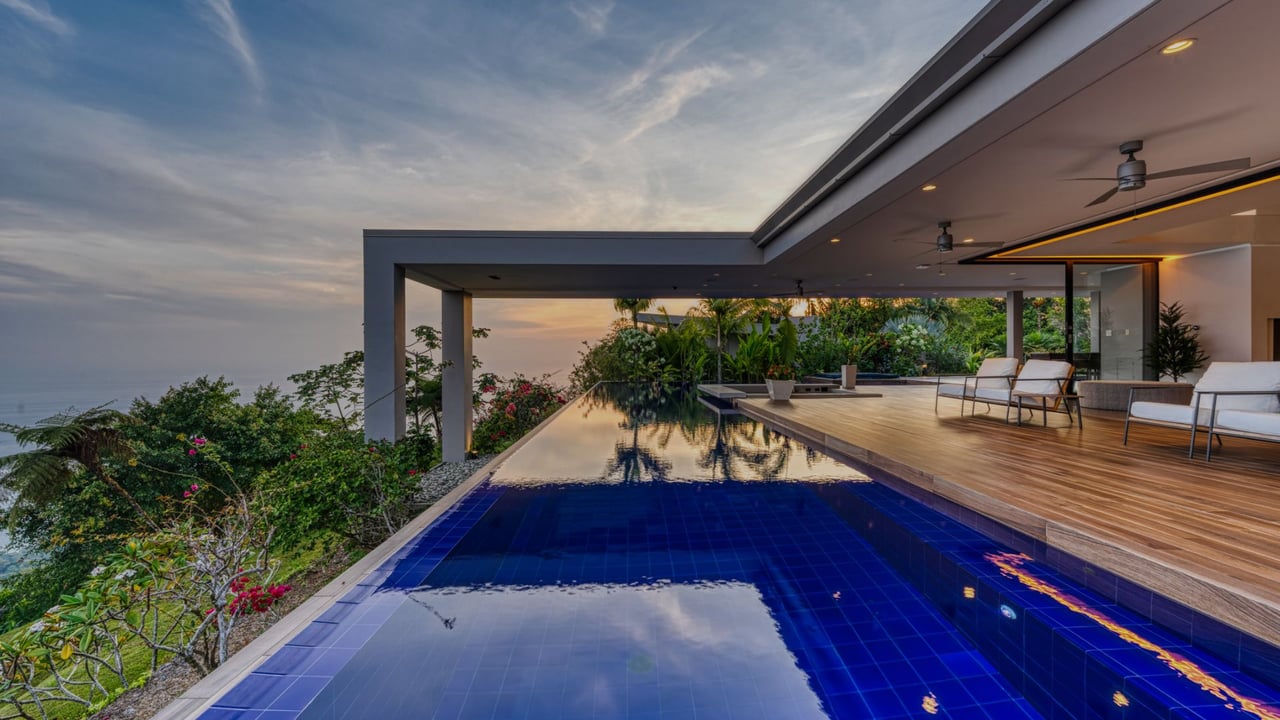
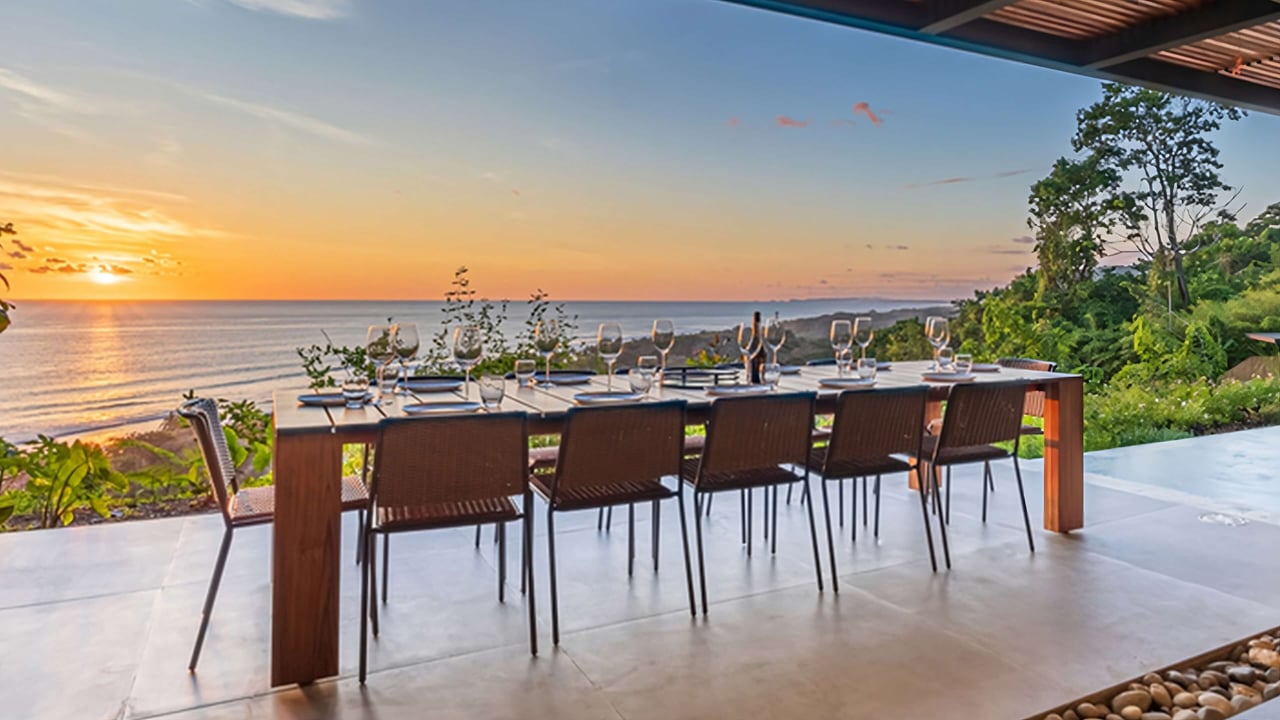
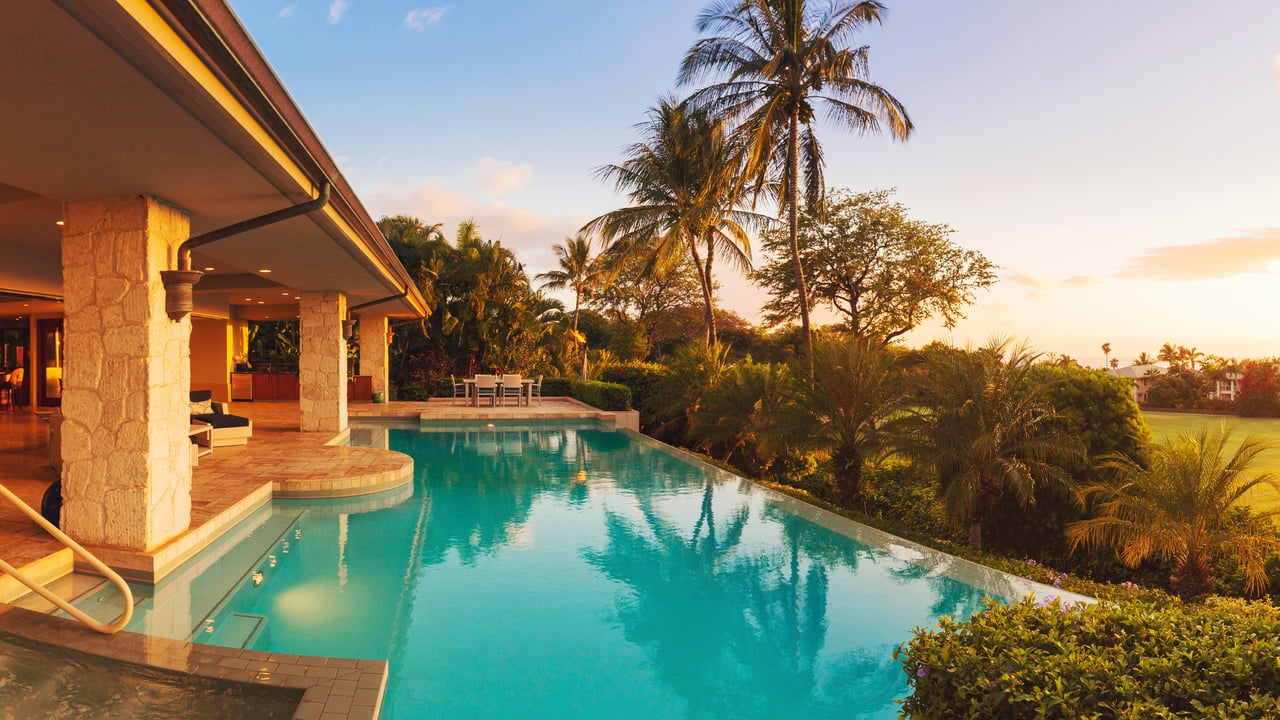
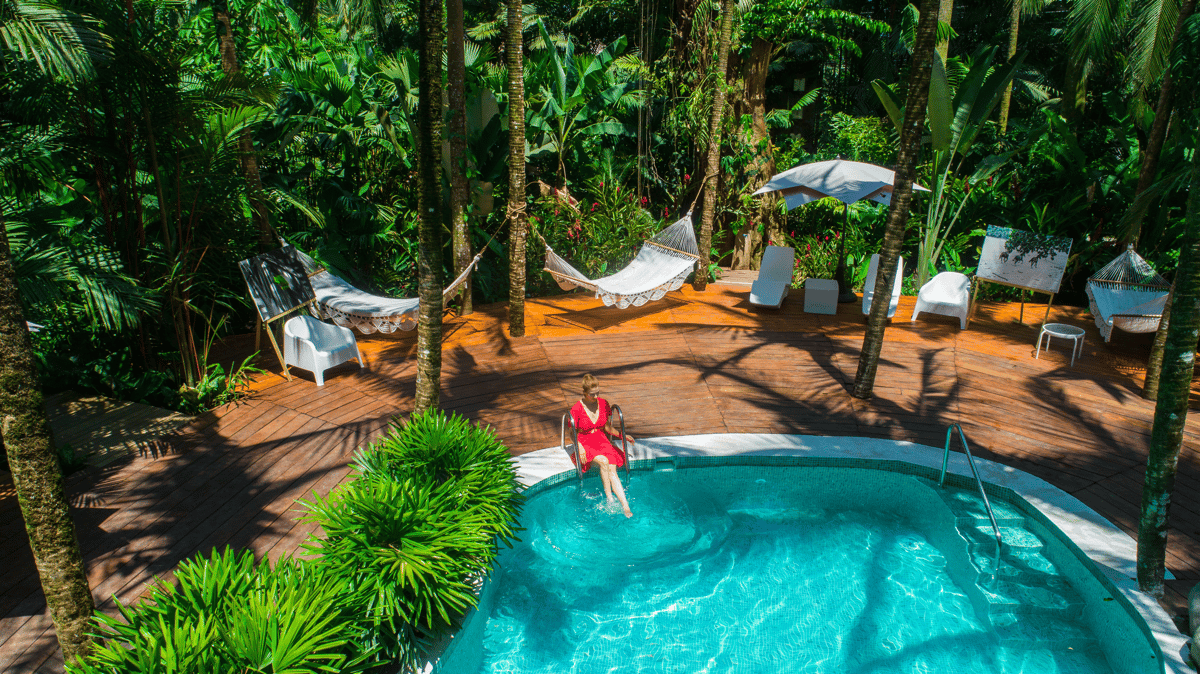
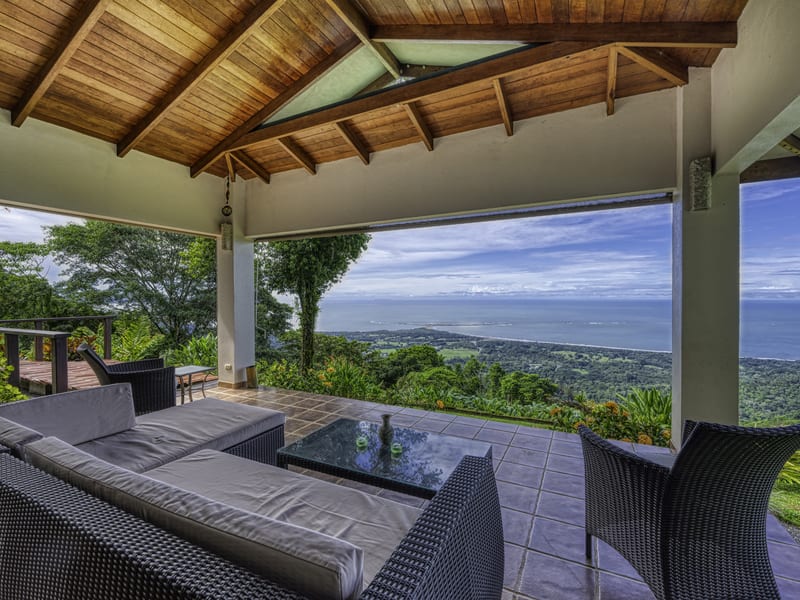
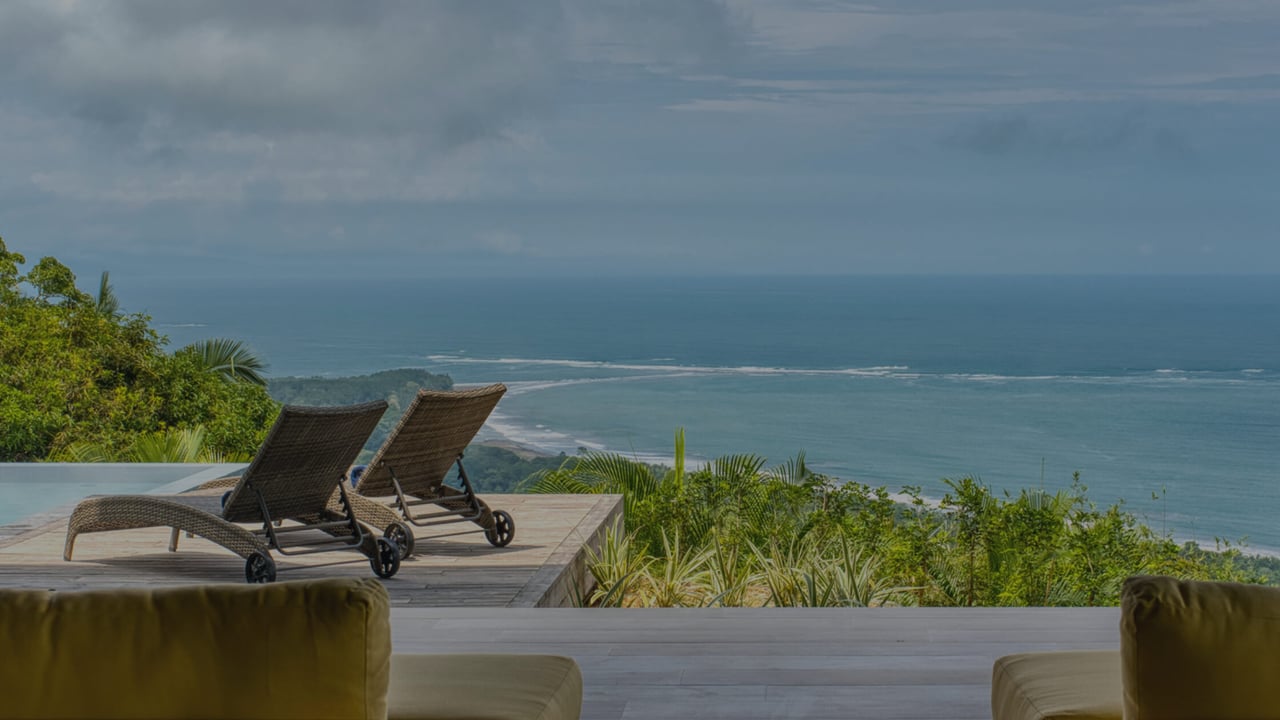
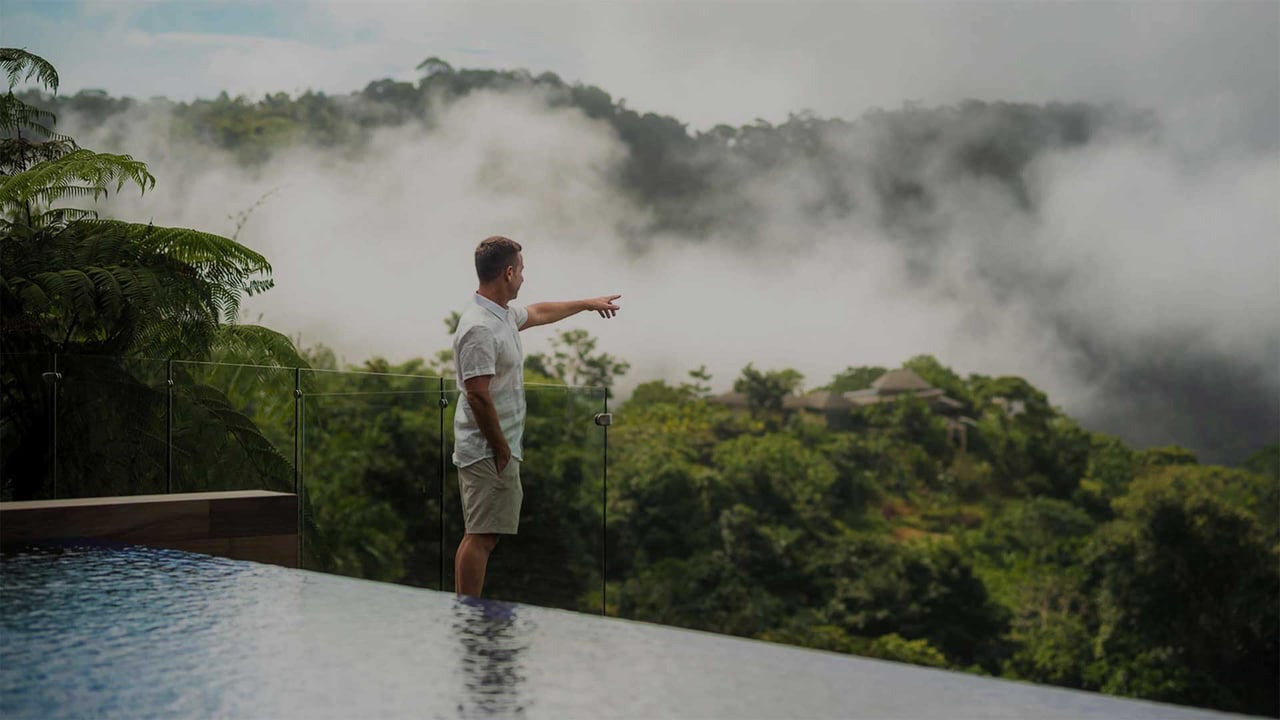
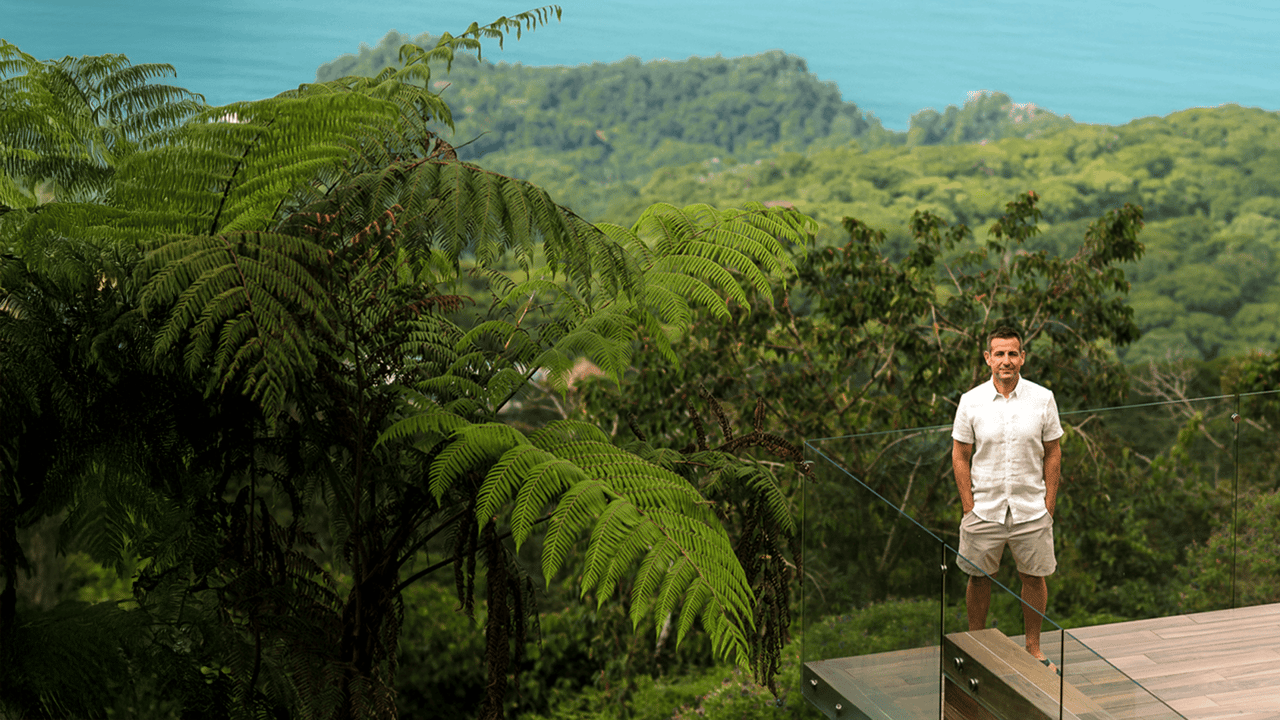
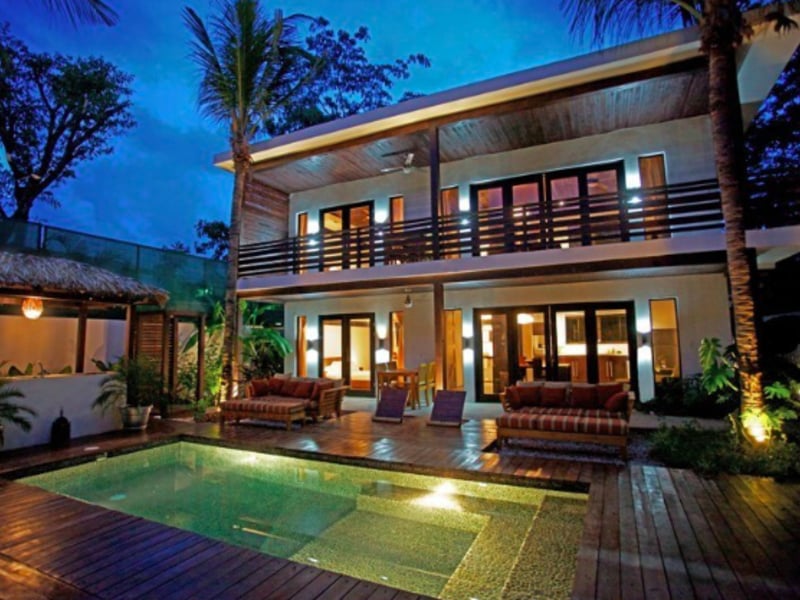
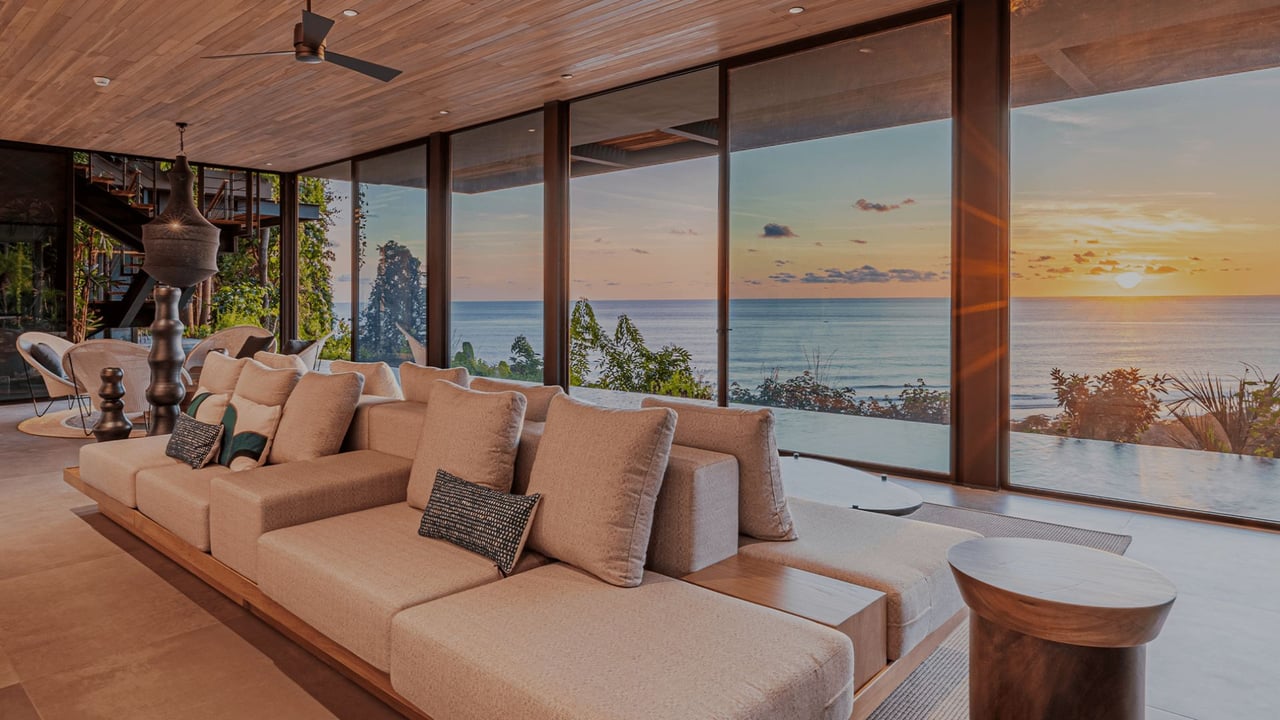
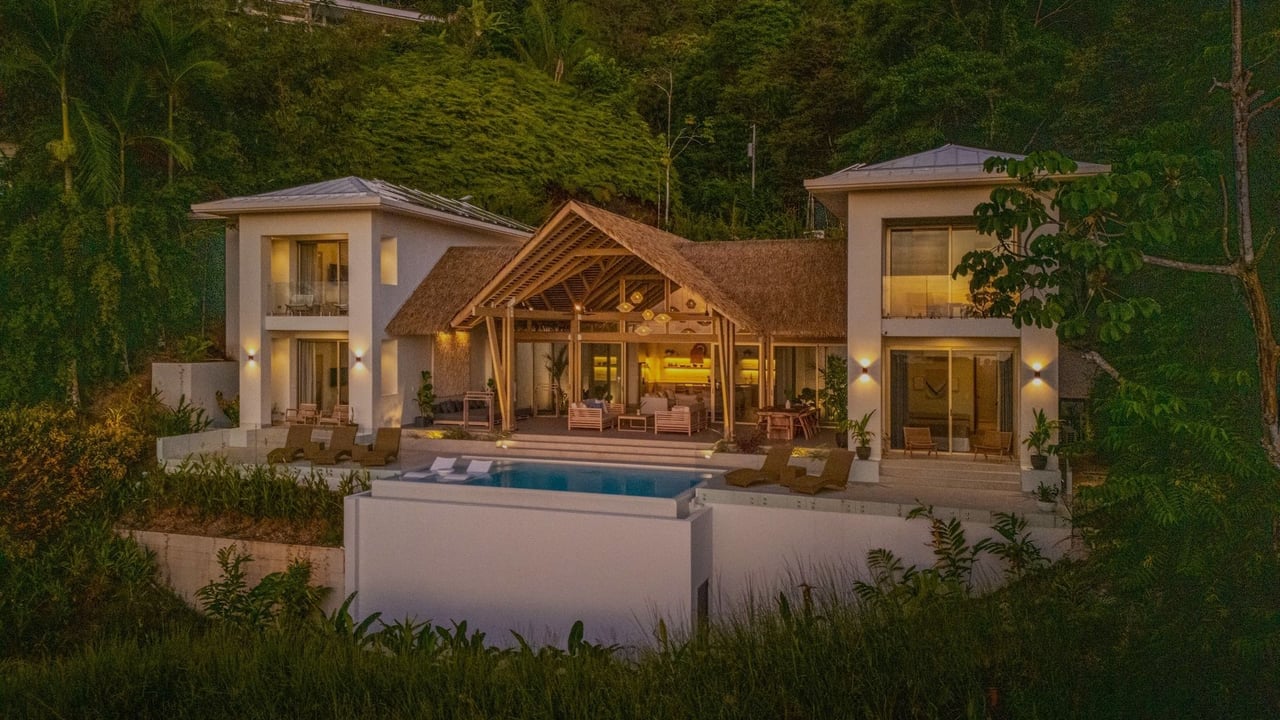
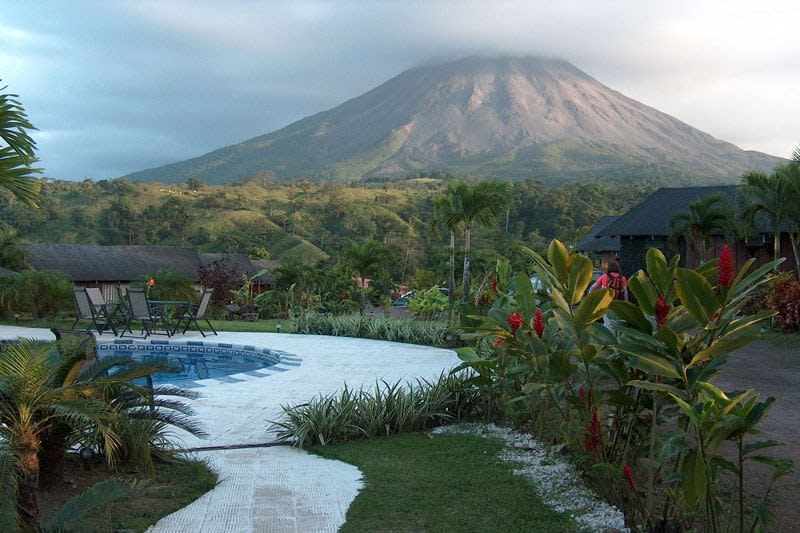
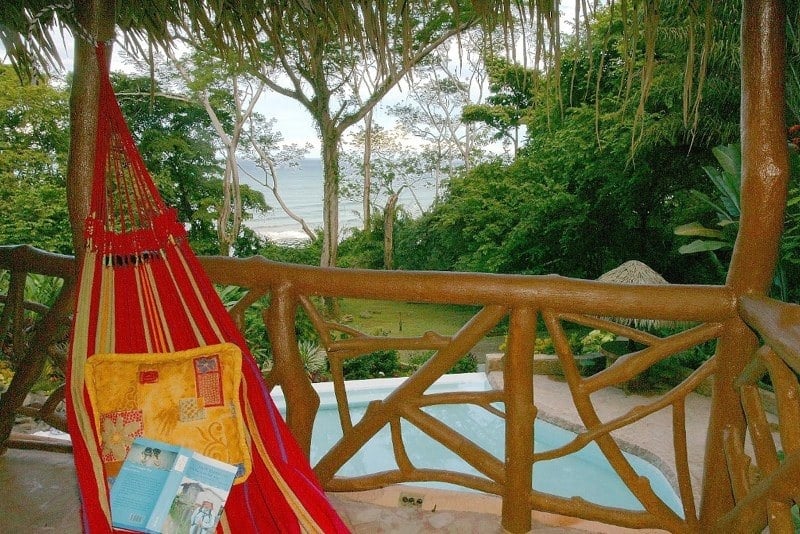
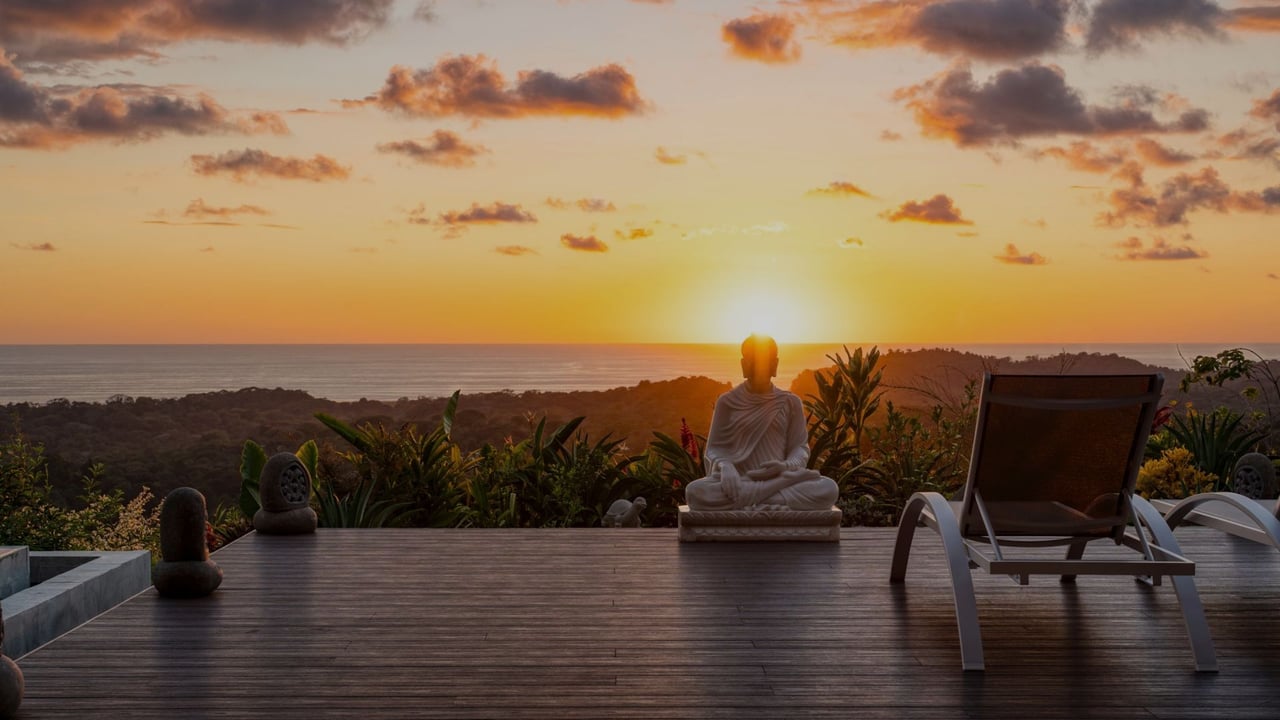
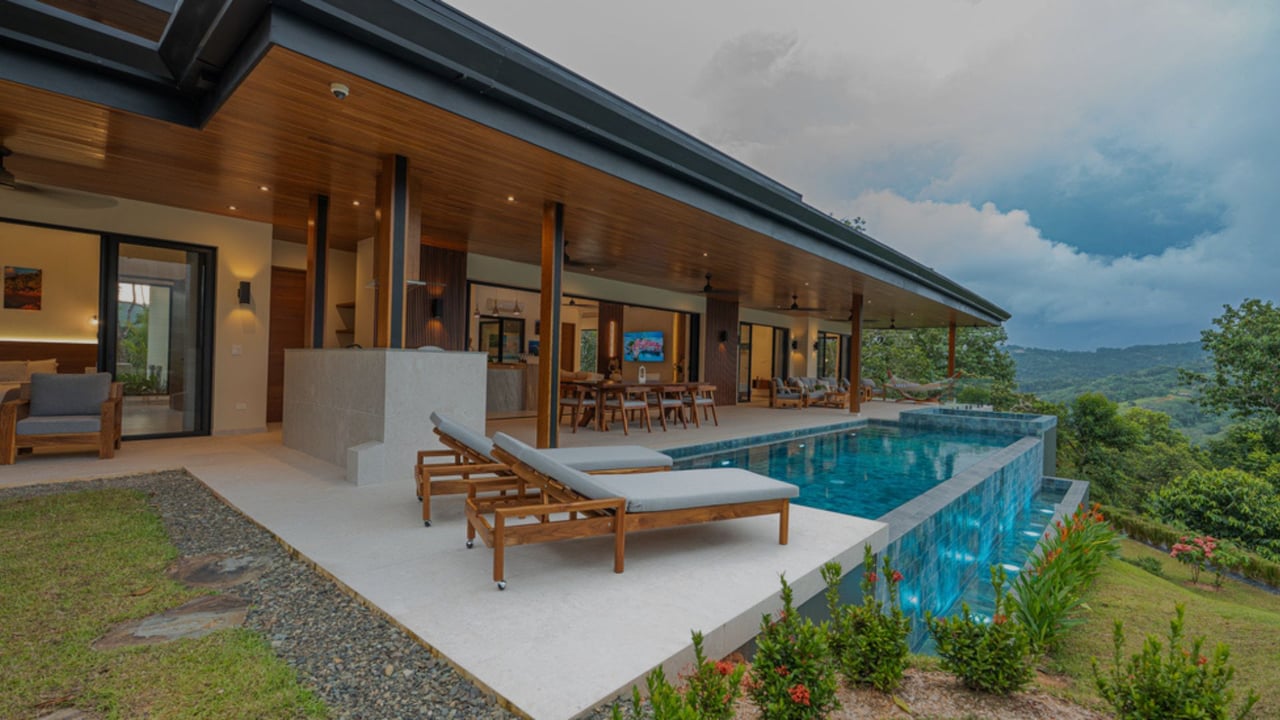
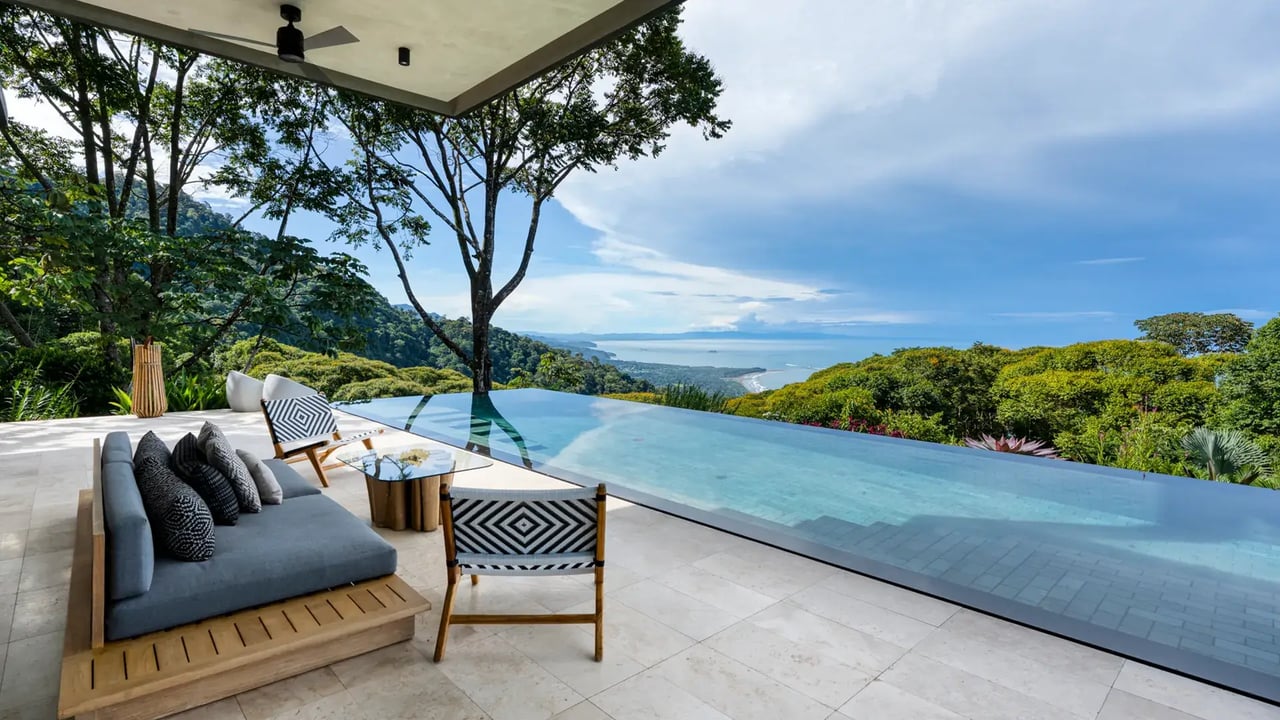
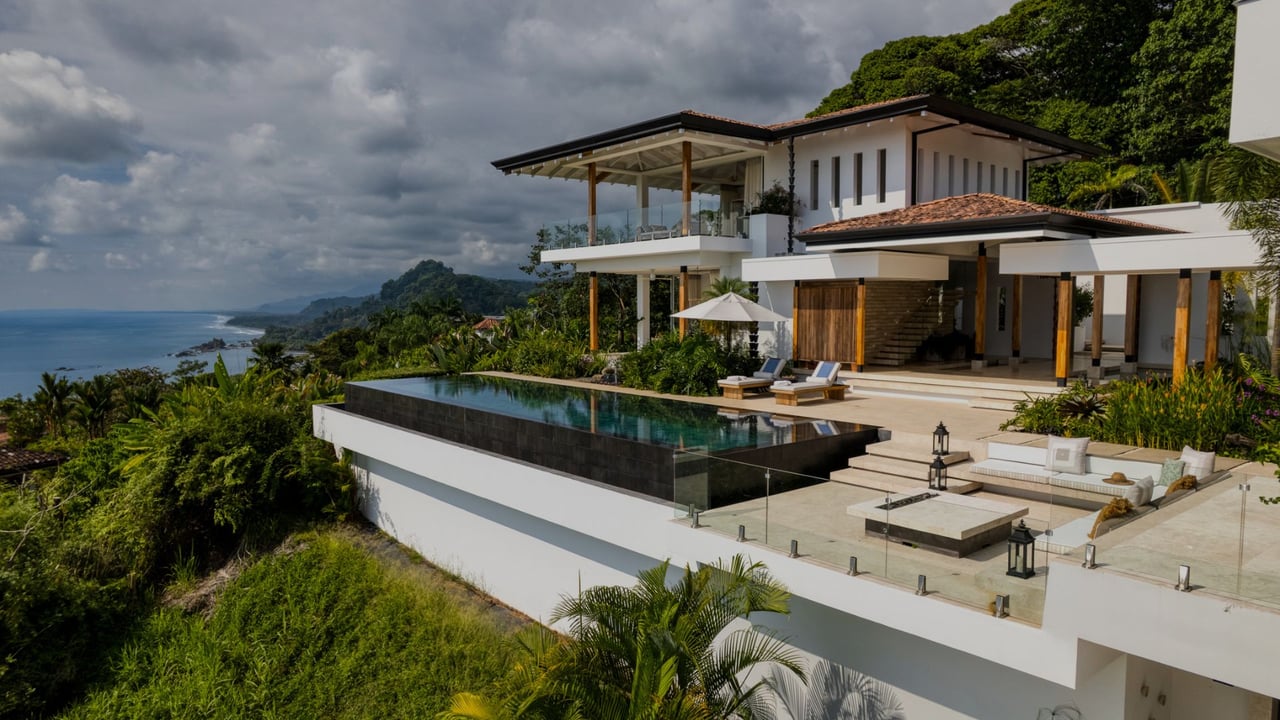
We have beachfront estates, ocean view homes, mountain retreats, properties surrounded by tropical rainforest, and extraordinary locations alongside rivers, streams, and creeks.
Some of the most impressive properties I have visited are not necessarily the largest or the most expensive. They are properties where the natural surroundings, architecture, privacy, and lifestyle come together to create something special.
I am always looking for those once-in-a-lifetime characteristics.
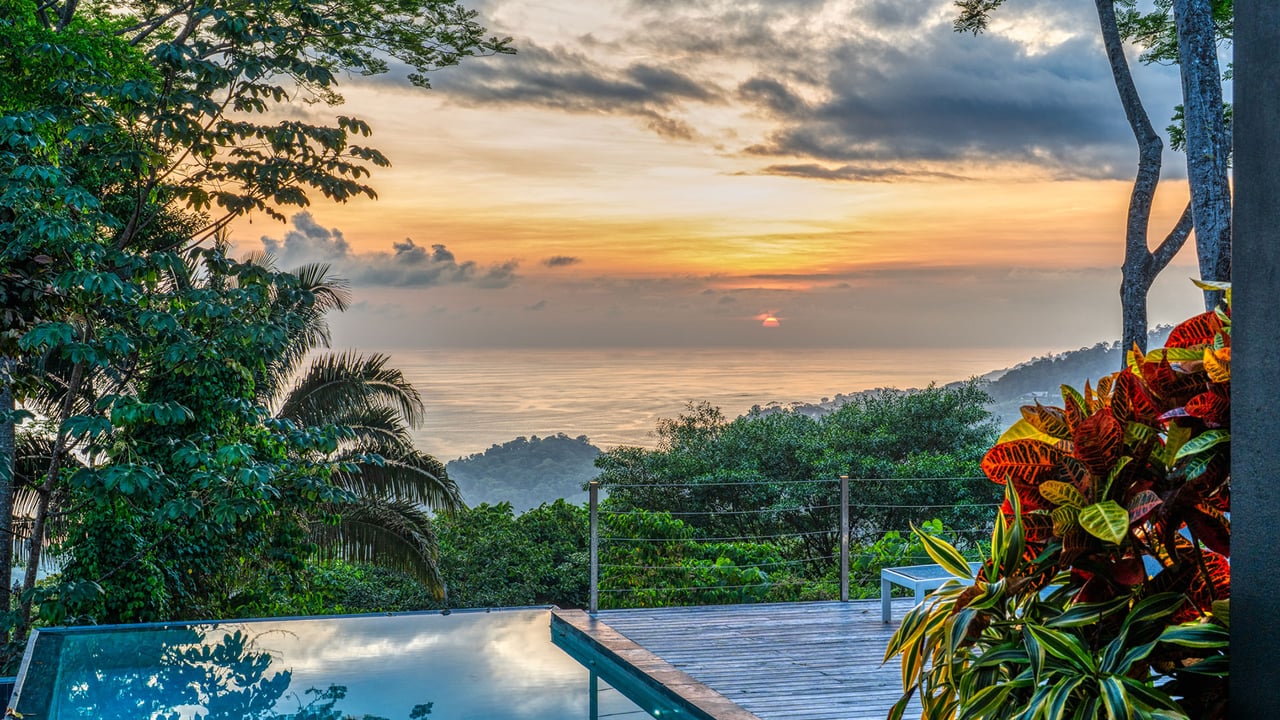
It might be a spectacular mountain view, the sound of a creek running through the property, a secluded setting surrounded by nature, or a home that has been thoughtfully designed to take advantage of its surroundings.
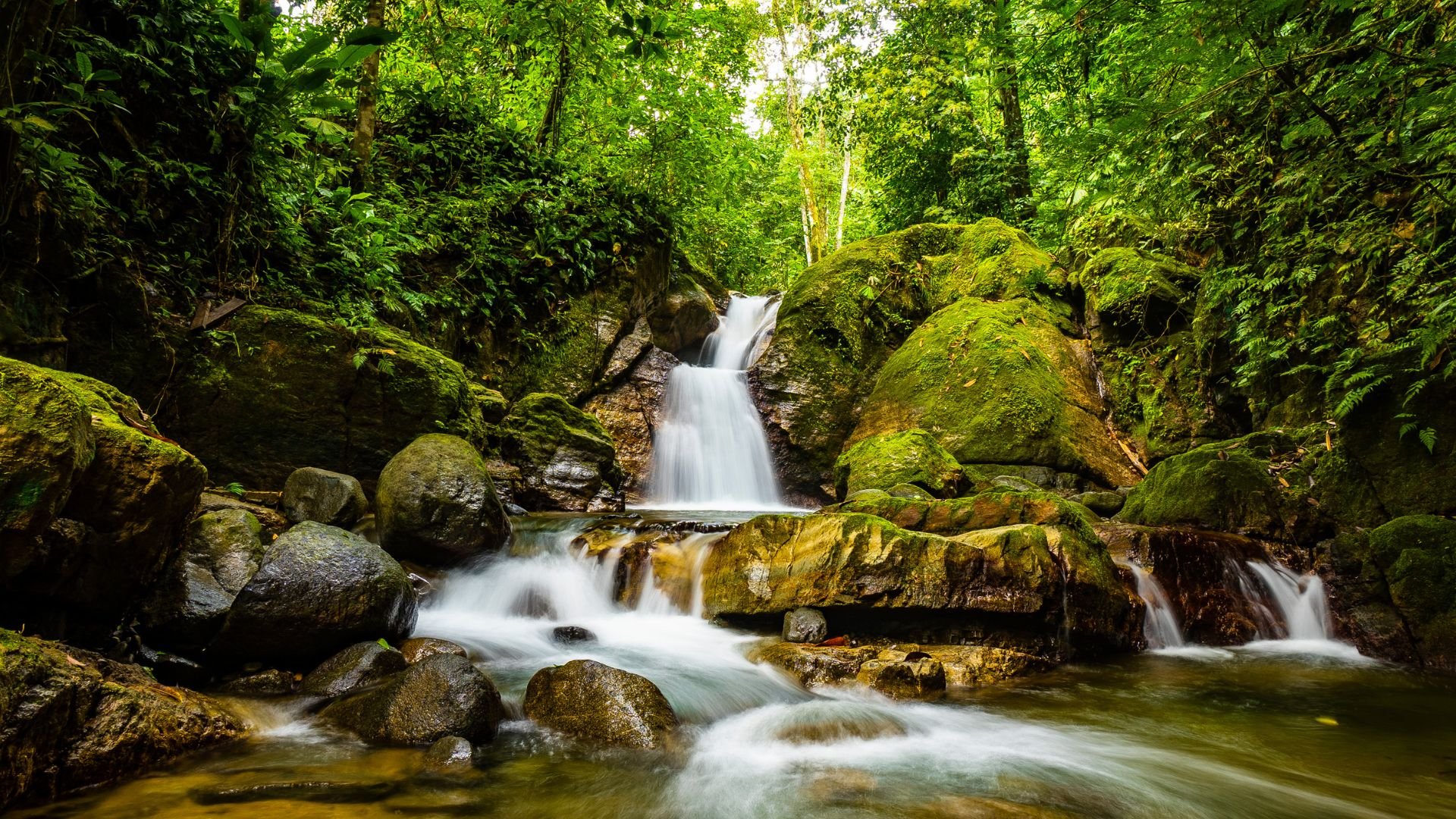
The important thing is understanding what makes that property a home and why someone would want to live there.
I also consider how those unique characteristics relate to the property's asking price. A feature may be beautiful, but it must also make sense within the market and the expectations of the buyer we are trying to attract.
For me, the first step is finding something I can personally connect with, because that helps me communicate the property's value to someone else.
Understanding Who the Property Is Really For
One of the most important aspects of luxury real estate marketing is understanding that not every buyer is looking for the same experience.
A family purchasing a vacation home has different priorities from someone acquiring a property primarily for rental income.
A buyer looking for complete privacy on a large estate may not be interested in a home within a resort community, even if both properties are in the same price range.
Before developing a marketing campaign, I want to understand who is most likely to appreciate the property. That influences how we present the home, which features we emphasize, and which buyers and professional relationships we approach first. I do not believe successful luxury marketing is about reaching as many people as possible.
It is about reaching the right people and giving them a reason to connect with the property.
Presentation Should Create Excitement and Build Trust
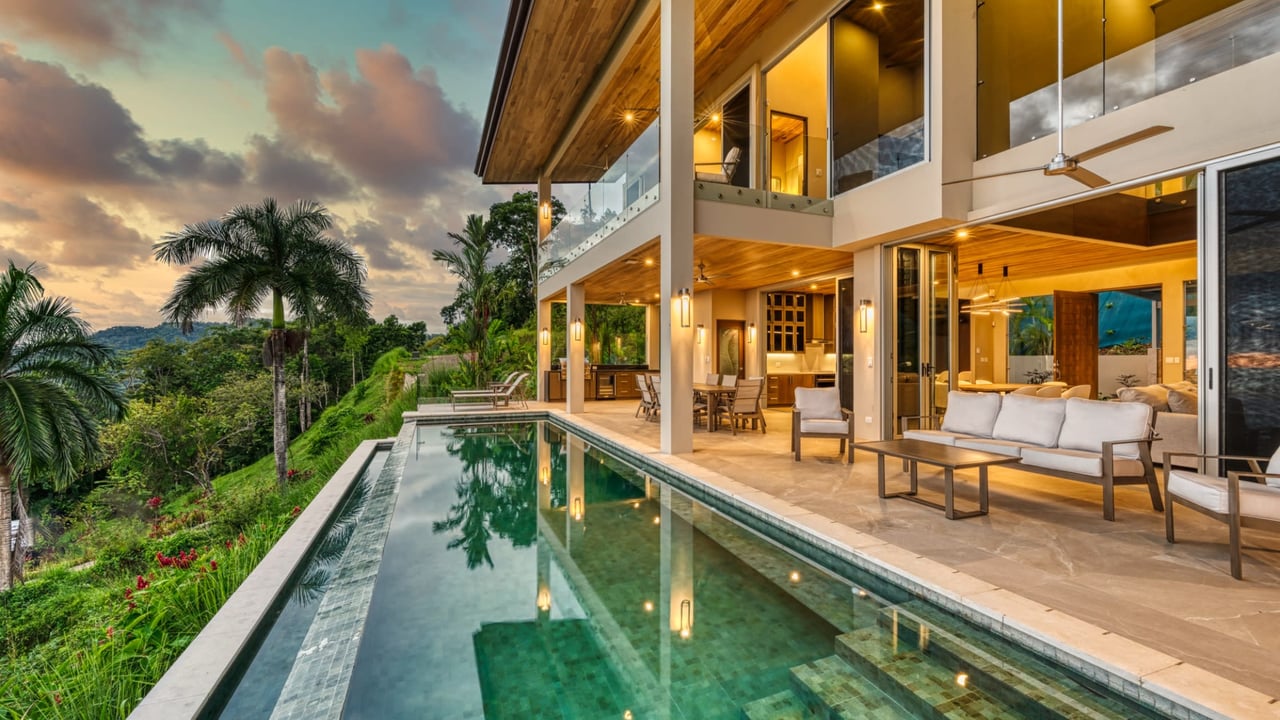
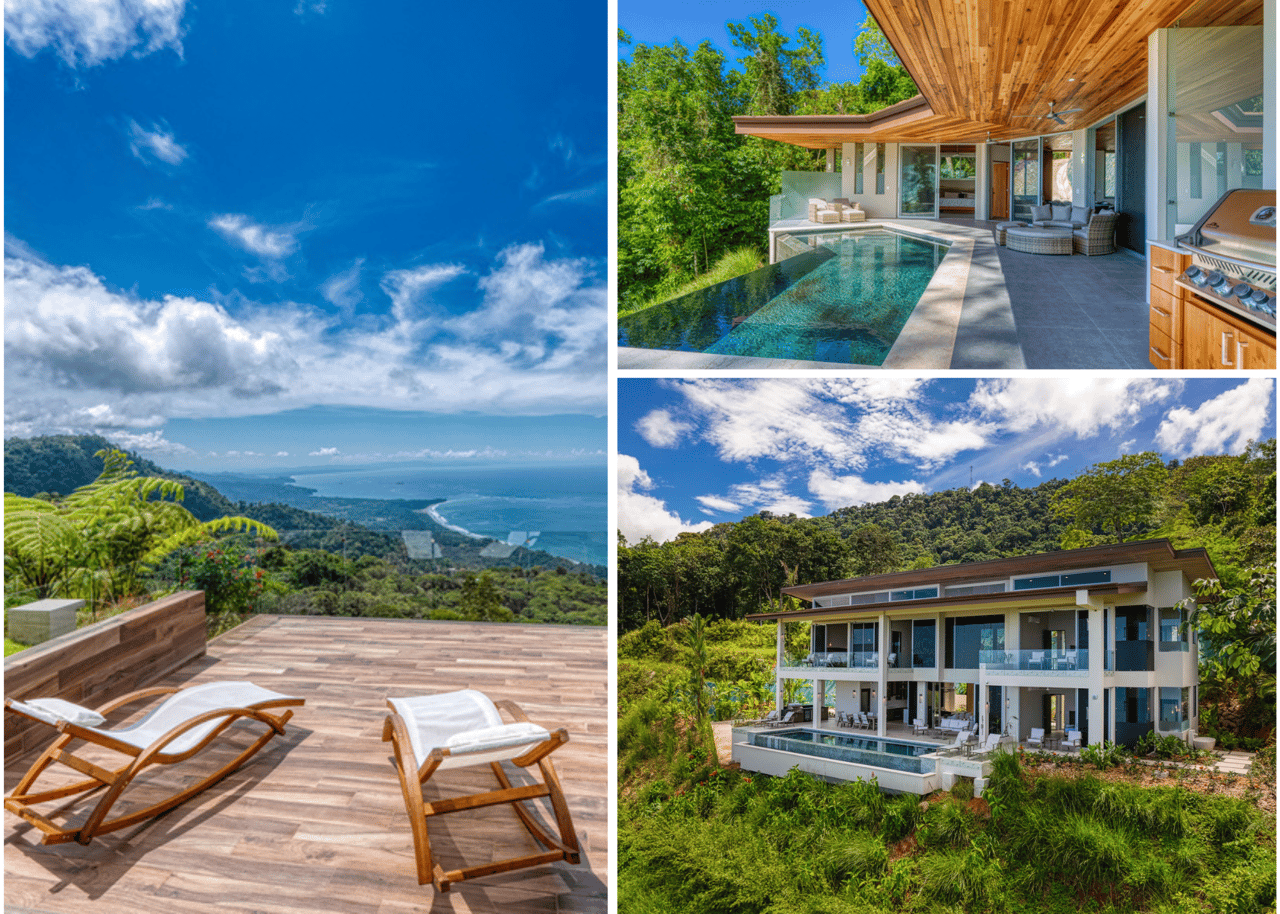
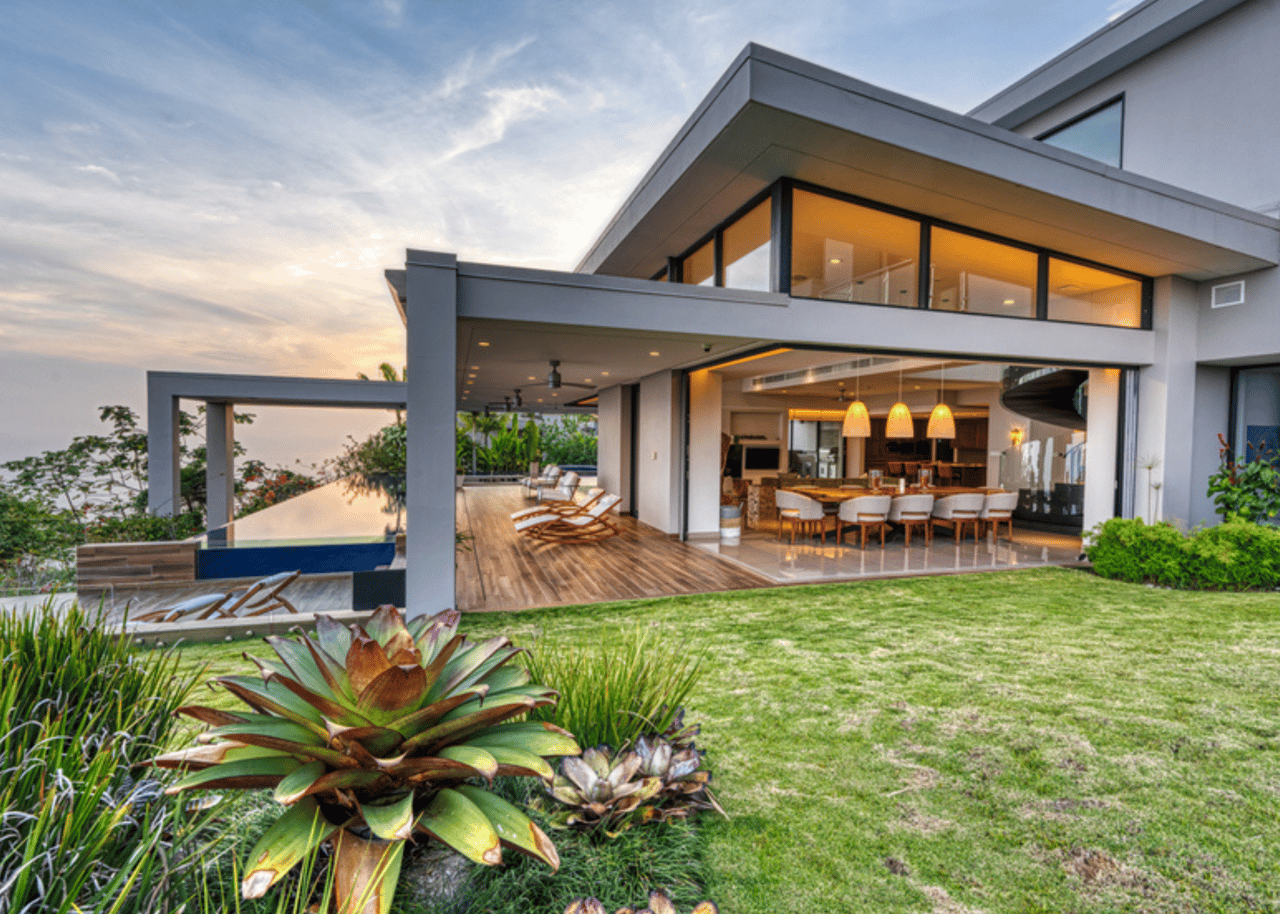
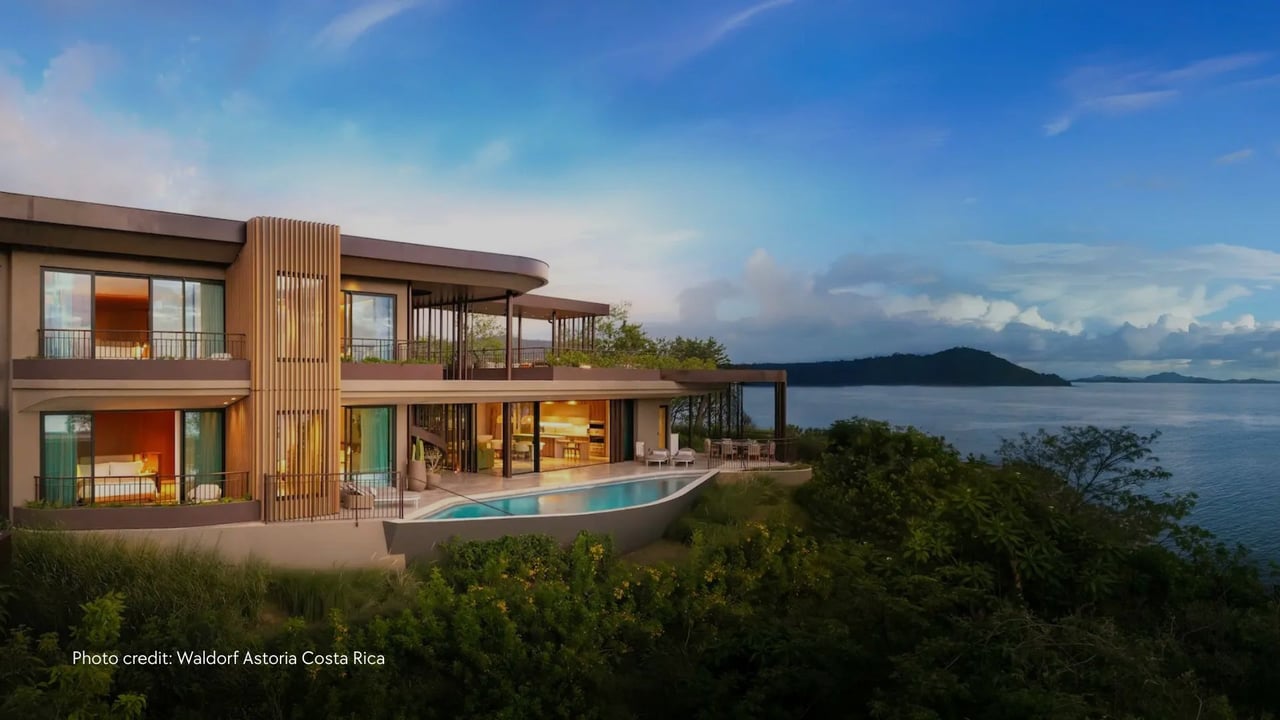
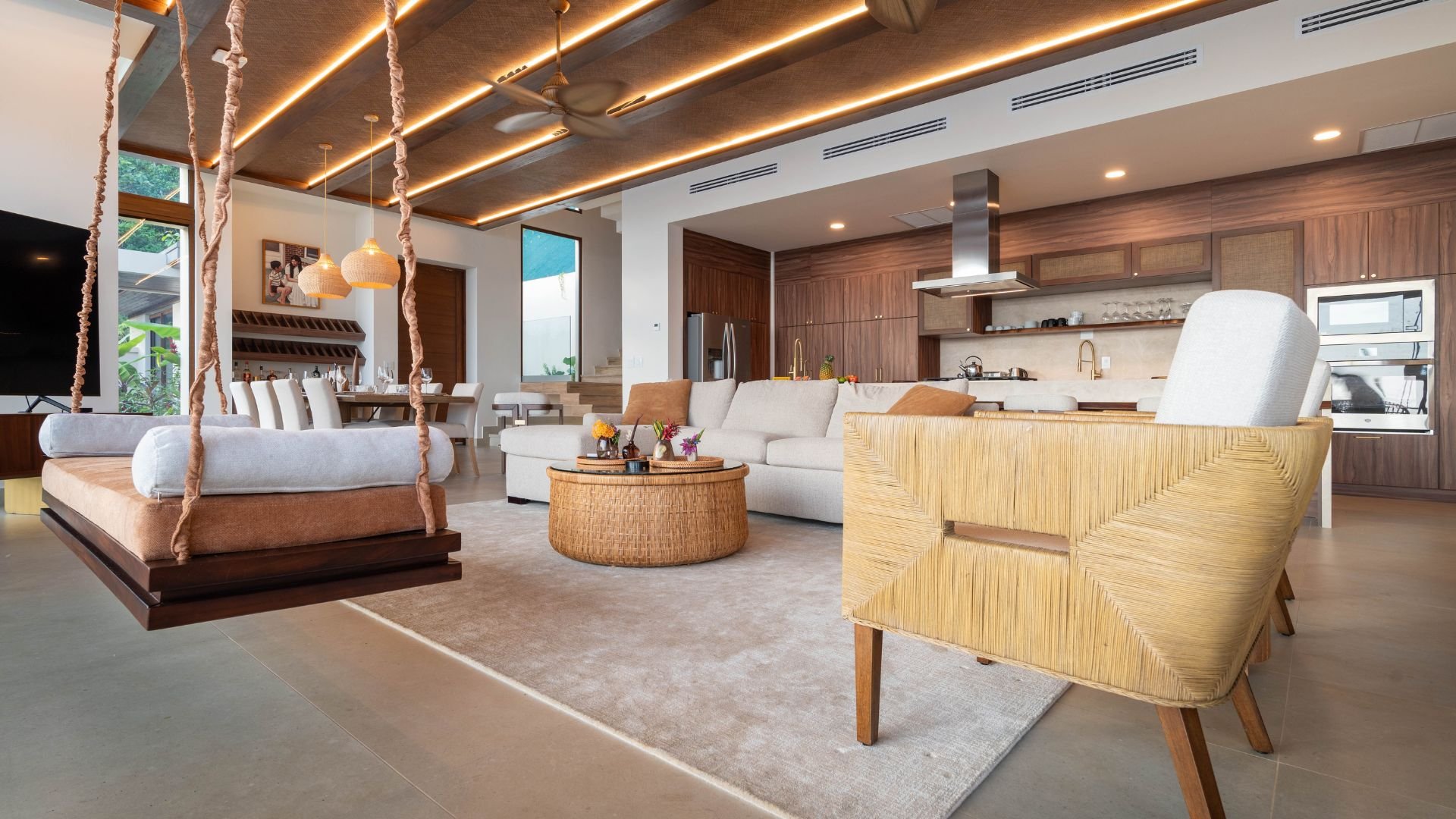
Professional photography, video, architectural imagery, and thoughtful presentation are essential, especially in Costa Rica, where many buyers begin their property search internationally.
But the presentation must reflect the actual experience of visiting the property. I want buyers to arrive at a showing and feel that the home is just as impressive as what they saw online.There is a difference between presenting a property beautifully and creating unrealistic expectations.
In luxury real estate, trust is one of the most important elements of the transaction.
The photography, description, and marketing should highlight what makes a property exceptional without exaggerating what it offers.
My Approach to Private Marketing and Strategic Launches
I do not believe every property should be brought to market in exactly the same way. Every seller has different objectives, and every property deserves its own strategy.
What I value is the flexibility of a phased private marketing approach, which allows properties to be introduced through different stages rather than immediately launching to the entire public market.
This gives us the ability to consider a more strategic approach based on the seller's timing, privacy preferences, and the type of property we are representing.
For some properties, we may begin with a private introduction to selected clients, luxury brokers, investors, and trusted relationships. For others, a broader public launch may make more sense from the beginning. There is no fixed timeline that works for every property.
The objective is to create the right level of exposure at the right time.
A private marketing stage can be particularly valuable because it allows us to introduce a property to qualified buyers before it becomes widely available. It can also provide meaningful feedback about pricing, presentation, and buyer interest. In certain situations, it creates an opportunity for buyers to discover a property before the broader market does.
That sense of early access can be especially attractive when the property is genuinely unique.
The key is that we are not creating artificial urgency. We are giving the right people an opportunity to evaluate something exceptional.
Any private marketing strategy must also be appropriate for the property, the seller's instructions, and the applicable marketing and brokerage requirements.
Preparing a Property So It Is Ready to Sell
One of the things I take very seriously is having a property fully prepared before bringing it to market. My approach is to gather as much documentation as possible and have a complete property information package ready for a serious buyer. I do not want to wait until we receive an offer to begin asking fundamental questions about the property.
Depending on the property, this preparation can include ownership records, title information, registered surveys, municipal taxes, corporate documents, construction permits, approved plans, water availability, utility information, and any applicable condominium or association records.
For properties with significant land or development potential, environmental considerations, water sources, access, and other technical matters may require additional review.
I work with the appropriate legal and technical professionals to identify what needs to be verified.

My goal is to have the property as close to ready for closing as possible before we begin serious negotiations. With the right preparation and the appropriate circumstances, we are often able to position a transaction to close in less than 30 days.
Of course, the actual closing timeline depends on due diligence, financing if applicable, legal requirements, and the parties involved.
But preparation can eliminate unnecessary delays. When a buyer is ready to move forward, I want us to be ready as well.
I believe that level of organization creates confidence, strengthens our negotiating position, and demonstrates professionalism.
Pricing a Luxury Property: My Three-Tier Approach
One of the most common mistakes I see in real estate is the belief that a seller should start with an inflated asking price because buyers are going to negotiate anyway.
I understand why sellers think that way, but I do not believe it is the most effective approach in today's market. Buyers have more information, more inventory to compare, and greater access to professional advice.
If a property is priced too far above its actual market value, many qualified buyers may never seriously consider it. My philosophy is simple: we need to price properties to sell.
With 17 offices across Costa Rica and extensive experience evaluating properties in different markets, we have access to local knowledge that helps us understand pricing from multiple perspectives.
I often explain pricing to sellers using three different levels.
Price A: The price to sell today. This represents a more aggressive price designed to attract immediate attention and encourage serious buyer activity when the seller's priority is timing.
Price B: The current market value. This is the price supported by the property's characteristics, available comparable sales, competing inventory, location, and current buyer demand.
Price C: The exceptional or superstar price. This is a more ambitious price that may be appropriate when a property has genuinely rare characteristics and the seller has the flexibility to wait for a buyer who recognizes that value.
These three levels help sellers understand the relationship between pricing, timing, and market expectations.
They also allow us to have a realistic conversation about the strategy that best matches the seller's objectives. I do not believe in overpricing a property simply to leave room for negotiation.I believe in establishing a price we can justify, communicating its value clearly, and holding strong to that price when the market evidence supports it.
That is very different from refusing to adjust when conditions change. Pricing should be strategic, not emotional.
Bringing the Property to the International Market
Once we have established the right strategy, we coordinate the property's introduction through Coldwell Banker Costa Rica, Vesta Group, our international relationships, and the Coldwell Banker Global Luxury network.
We have the ability to reach buyers locally and internationally, but exposure alone is not the objective. What matters is qualified interest.
The photography, property description, pricing, and messaging must all communicate a consistent story.
I want someone viewing a property from the United States, Canada, Europe, or another international market to understand what makes it special and why it represents value.
Our marketing strategy should create that connection before the buyer ever arrives in Costa Rica. At the same time, our relationships with other brokers and industry professionals remain an important part of the process. A successful transaction may come through our own network, a cooperating broker, an existing client, or an international introduction.
The objective is to bring the right buyer and the right property together.
What Happens After a Property Goes Live
Launching a property is only the beginning of the marketing process.
Once a property is active, I pay attention to the quality of inquiries, buyer feedback, showing activity, and how the property compares with competing listings.
I am much more interested in meaningful conversations with qualified buyers than simply generating a large number of inquiries. If a property is receiving attention but not generating offers, I want to understand why.
Sometimes the issue is pricing. Sometimes it is presentation, competing inventory, access, or another characteristic that buyers are evaluating. The important thing is to understand what the market is telling us.
I believe sellers deserve clear communication and a strategy that can evolve based on real information. Making an adjustment because the evidence supports it is very different from lowering a price simply because a property has not sold immediately.
A Real Example: Selling a Property on the Osa Peninsula Before Its Public Launch
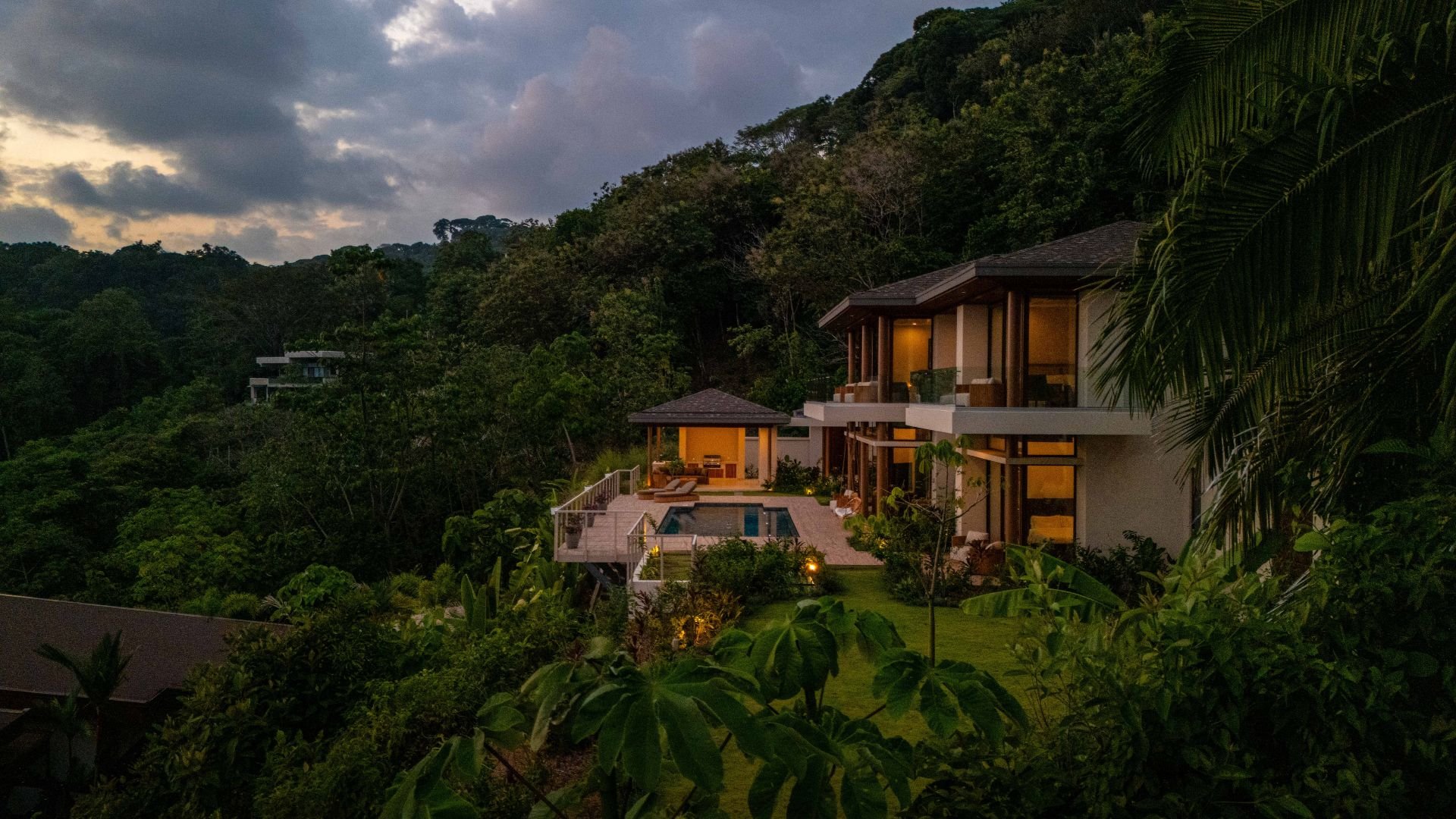
One transaction that illustrates my approach involved an exceptional property on Costa Rica's Osa Peninsula. Rather than immediately introducing the property to the public market, we developed a strategy to keep it within our private marketing network for approximately three months.
During that period, we introduced the opportunity through our established relationships at both the commercial real estate and luxury property levels. We also leveraged relationships with professional associations and other groups that could connect us with qualified buyers.
The property was positioned at a price that reflected our assessment of market value. What made the strategy effective was the opportunity for buyers to discover something that was not yet widely available.
There was a genuine sense of excitement surrounding the property because buyers understood they were being introduced to an opportunity before its broader public release. We were able to generate serious interest and ultimately place the property under contract before it ever went live on the public listing platforms and our websites.
The agreed pricing was very close to our asking price, and the transaction produced a strong result for both the buyer and the seller. For me, this is a good example of why every property needs its own marketing strategy.The goal was not simply to generate maximum exposure.
It was to create the right exposure, with the right audience, at the right time. And in this case, that approach worked.
Experience and Relationships Make the Difference
After more than 25 years working in Costa Rica, I have seen the market evolve through different economic cycles, changes in international demand, new developments, and shifts in buyer expectations.
I have also learned that no two properties and no two sellers are exactly alike. Some properties benefit from an immediate international launch. Others are better suited to a carefully managed private introduction. Some sellers prioritize timing, while others are willing to wait for a particular buyer or price.
My role is to understand those priorities and recommend a strategy that makes sense.
At Coldwell Banker Costa Rica and Vesta Group, our national presence, international relationships, and market experience give us the ability to evaluate opportunities from multiple perspectives.
But what matters most is how we apply that experience to each individual property. I do not believe in taking a listing simply to add another property to our inventory. I believe in understanding the property, establishing a clear strategy, and being honest with the seller about what the market can realistically support.
Questions Owners Ask Me Before Selling Luxury Property in Costa Rica
Q1: Should a luxury property in Costa Rica be marketed privately before it goes public?
It depends on the property and the seller. For some properties, a private introduction to selected clients, luxury brokers and investors makes sense first. For others, a broader public launch works better from the beginning.
Q2: What documents should I prepare before selling a luxury property in Costa Rica?
Depending on the property, ownership and title records, registered surveys, municipal taxes, corporate documents, construction permits, approved plans, water availability, utility information and any condominium or association records. Land with development potential may need additional environmental and technical review.
Q3: How do you price a luxury property in Costa Rica?
I explain pricing in three levels: Price A, the price to sell today; Price B, the current market value; and Price C, an exceptional price for genuinely rare properties when the seller can wait. The right level depends on the seller's timing and objectives.
Q4: Should I list above market value to leave room for negotiation?
I do not recommend it. If a property is priced too far above its market value, many qualified buyers may never seriously consider it.
Q5: Can a luxury property in Costa Rica close in less than 30 days?
With the right preparation and the appropriate circumstances, we are often able to position a transaction to close in less than 30 days. The actual timeline depends on due diligence, financing if applicable, legal requirements and the parties involved.
Final Thoughts: Selling Luxury Real Estate Is About Strategy, Preparation, and Trust
Costa Rica has some of the most extraordinary properties in the world. From beachfront estates and ocean view residences to mountain retreats and private properties surrounded by tropical rainforest, the diversity of our market is one of its greatest strengths.
But selling an exceptional property requires more than putting it in front of the world. It requires understanding what makes it special, preparing it properly, identifying the right buyers, establishing a defensible price, and knowing when and how to introduce it to the market.
That is the approach I have developed over more than 25 years in Costa Rica. My objective is not simply to sell a property.
It is to help owners make informed decisions, protect the value of their investment, and achieve the strongest possible outcome based on their individual goals and current market conditions.
If you are considering selling a luxury property in Costa Rica, I welcome the opportunity to discuss what makes your property unique and how we can position it effectively in today's market.