As we move into 2026, I’m having a very different kind of conversation with private clients than I was even five years ago. The focus is no longer simply about finding a beautiful property or capturing short-term upside. Today’s buyers are thinking more holistically about how real estate fits into their broader wealth strategy, their family life, and their long-term resilience.
Costa Rica continues to surface in these conversations for a reason. It sits in a rare sweet spot that few global markets can replicate. There’s democratic stability, a strong rule of law relative to the region, no standing army, and a deeply embedded eco-luxury identity that is not a trend but part of the country’s now long-term DNA. For globally mobile families and investors, that combination matters more than ever.
What I’m seeing in 2026 is not a rush of speculative capital, but a steady and intentional movement of wealth into places that offer both usability and durability. Buyers want a real lifestyle, not just a line item on a balance sheet. They want a place they can live in, enjoy, and use as a family base, while still preserving long-term value.
This forecast is written from that vantage point. It’s not about headlines or hype; it’s about where global buyers are actually moving their wealth, how they’re thinking about risk and opportunity, and where I see the strongest alignment between lifestyle and long-term value in Costa Rica as we look ahead.
Market Context and Why the Current Context Matters
In 2026, Costa Rica’s relevance as a real estate market is being driven by a broader global shift toward what I would call quality-of-life diversification. Buyers are not abandoning traditional investments, but they are reallocating part of their capital into assets that provide daily utility alongside financial resilience.
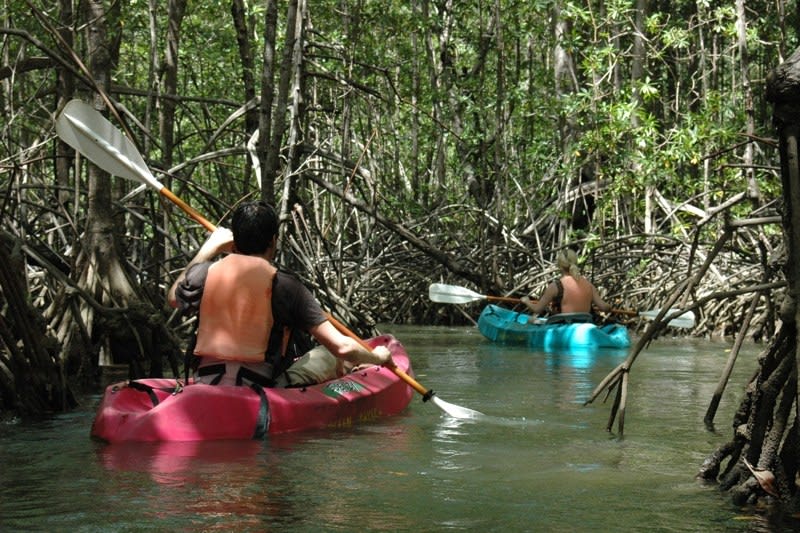
Costa Rica offers something increasingly rare: It delivers a real, usable lifestyle that combines beach, jungle, wellness, and outdoor living year-round. It is accessible from North America and Europe with reliable travel patterns. And in select micro-markets, it now has a mature high-end inventory that qualifies as true luxury, not simply expensive homes.
From a market perspective, this matters because capital today is more selective. Buyers are choosing places where lifestyle demand and investment logic overlap. Costa Rica is not competing with speculative markets; it’s competing with other long-duration lifestyle destinations, and in that comparison, it continues to perform exceptionally well.
What we’re seeing is not a broad, uniform surge across the country, but a concentration of interest in specific coastal and lifestyle corridors where services, natural beauty, and supply constraints align. That distinction is critical when thinking about where wealth is moving next.
How Sophisticated Buyers Are Approaching Costa Rica Differently
One of the most notable changes I see in 2026 is how disciplined and surgical informed buyers have become. Even when the purchase is lifestyle-driven, it is underwritten like an investment.
Five years ago, many decisions were driven by emotion. Buyers would say, “I love it, I’ll figure the rest out.” Today, that mindset has largely disappeared among sophisticated clients. They expect reliable internet, solid infrastructure, and practical road access because they plan to use the home, not just imagine it.
They scrutinize water availability, permits, setbacks, and legal readiness far more carefully than before. They ask about noise corridors, neighboring development, privacy, and long-term security. Even buyers who insist they do not care about rentals still want to understand exit liquidity and resale dynamics. The question I hear often is, “If I had to sell in 18 months, could I?”
This shift has elevated the importance of proven micro-markets. Liquidity matters. Buyers want to know there is a deep enough pool of future demand if plans change. Costa Rica rewards that discipline, but it also punishes shortcuts. The market has matured to the point where execution and due diligence matter more than the initial concept.
Learn more about how Costa Rica’s real estate market has evolved.
Where Buyer Interest Is Concentrating in 2026
Buyer interest heading into 2026 is clearly concentrating on prime coastal lifestyle markets that offer three things: real services nearby, exceptional natural beauty, and a limited supply of high-quality view properties.
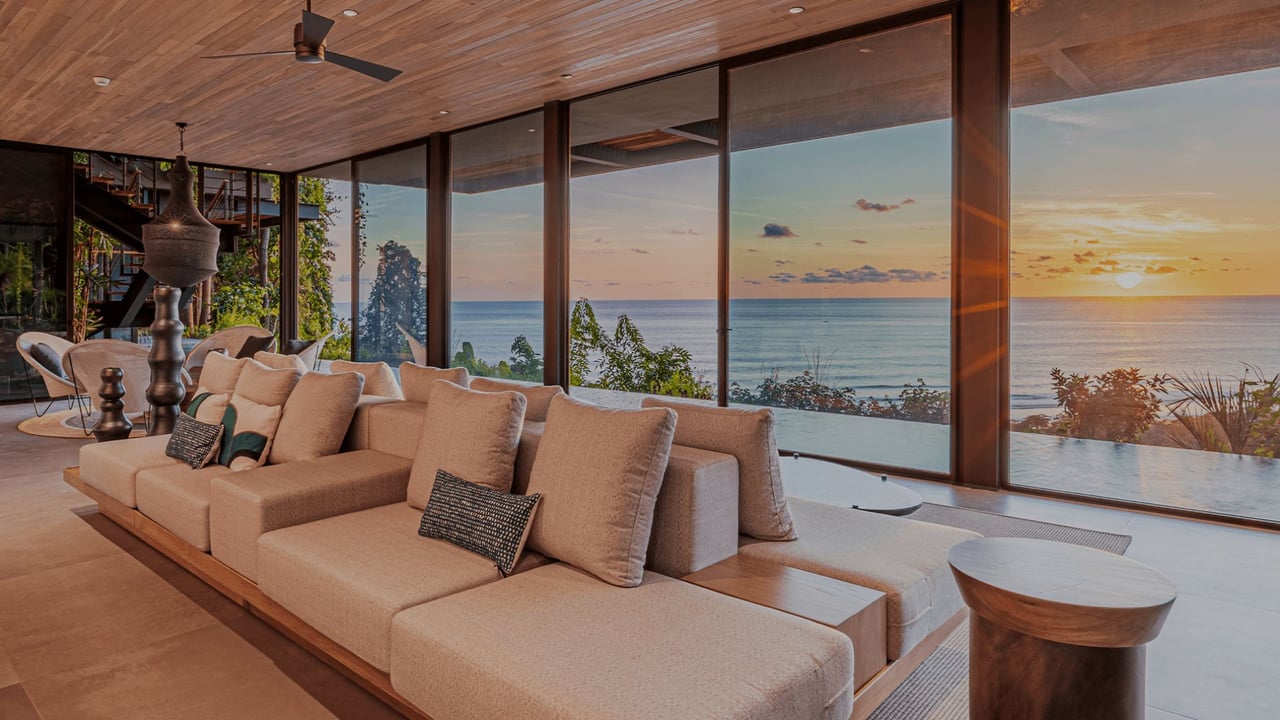
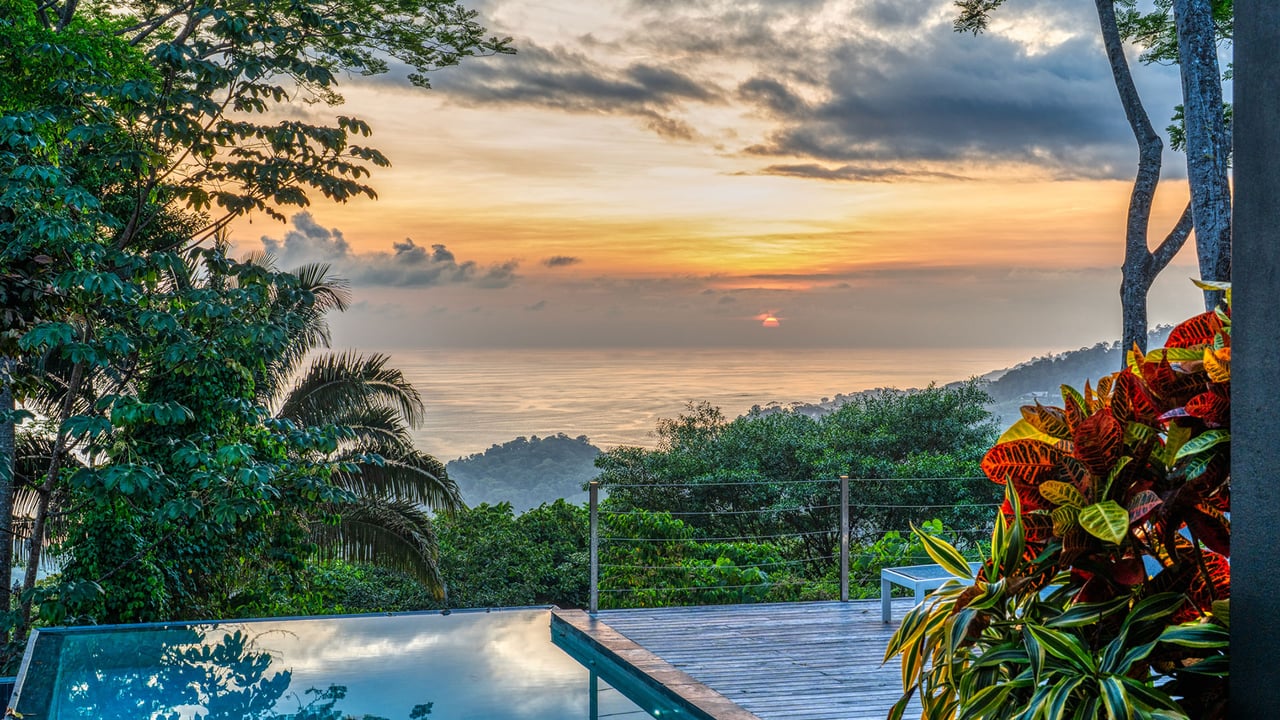
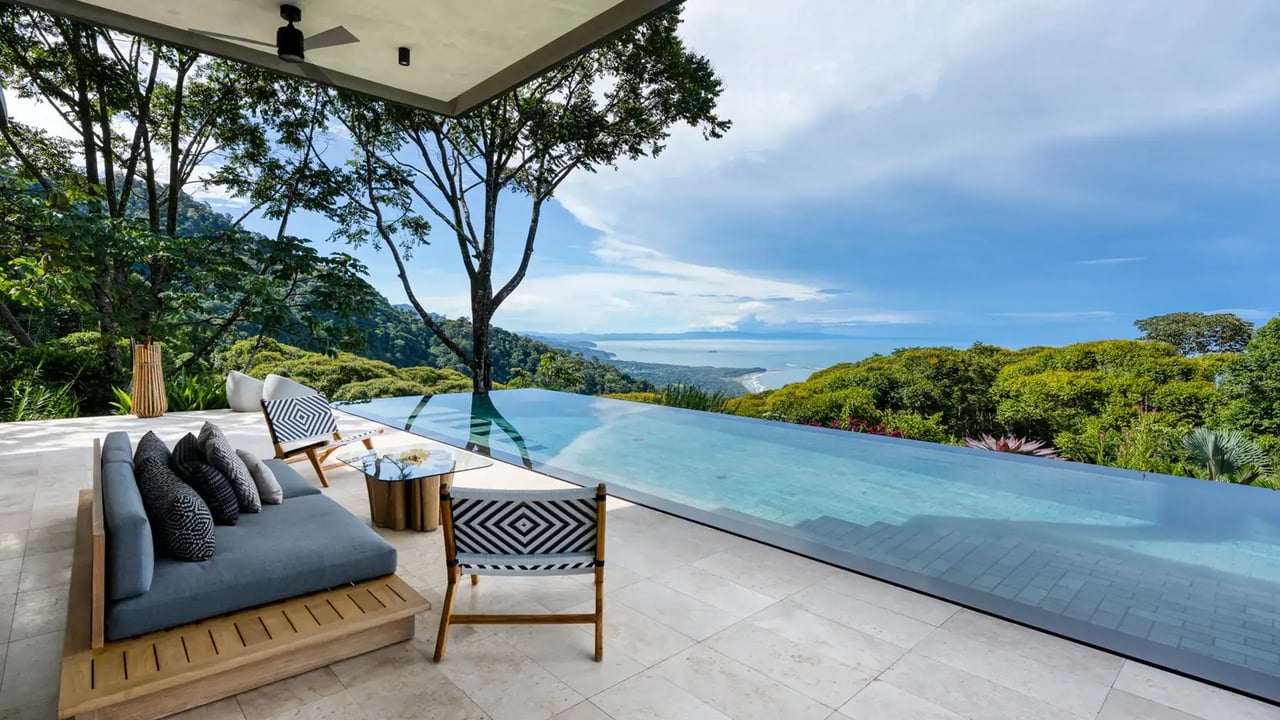
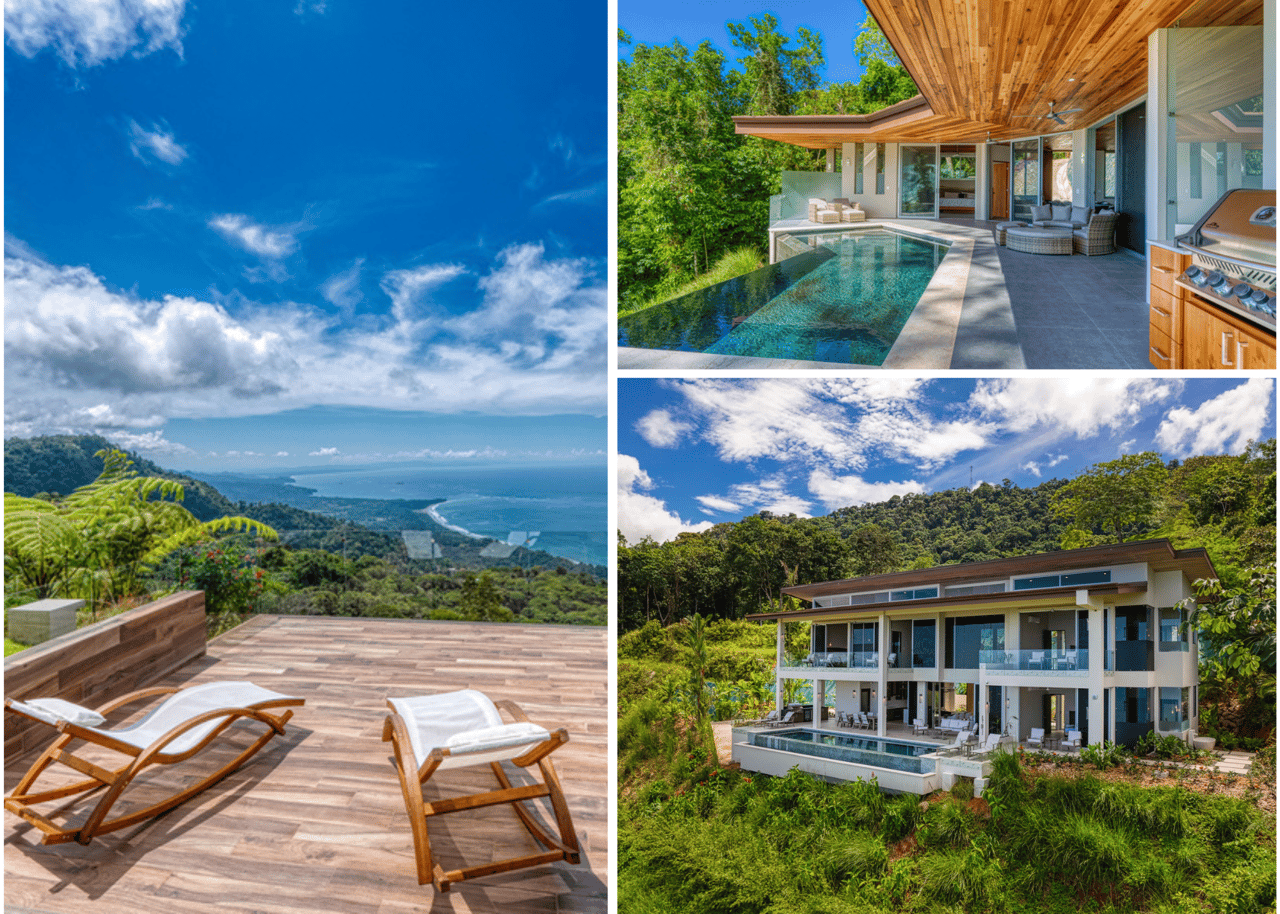
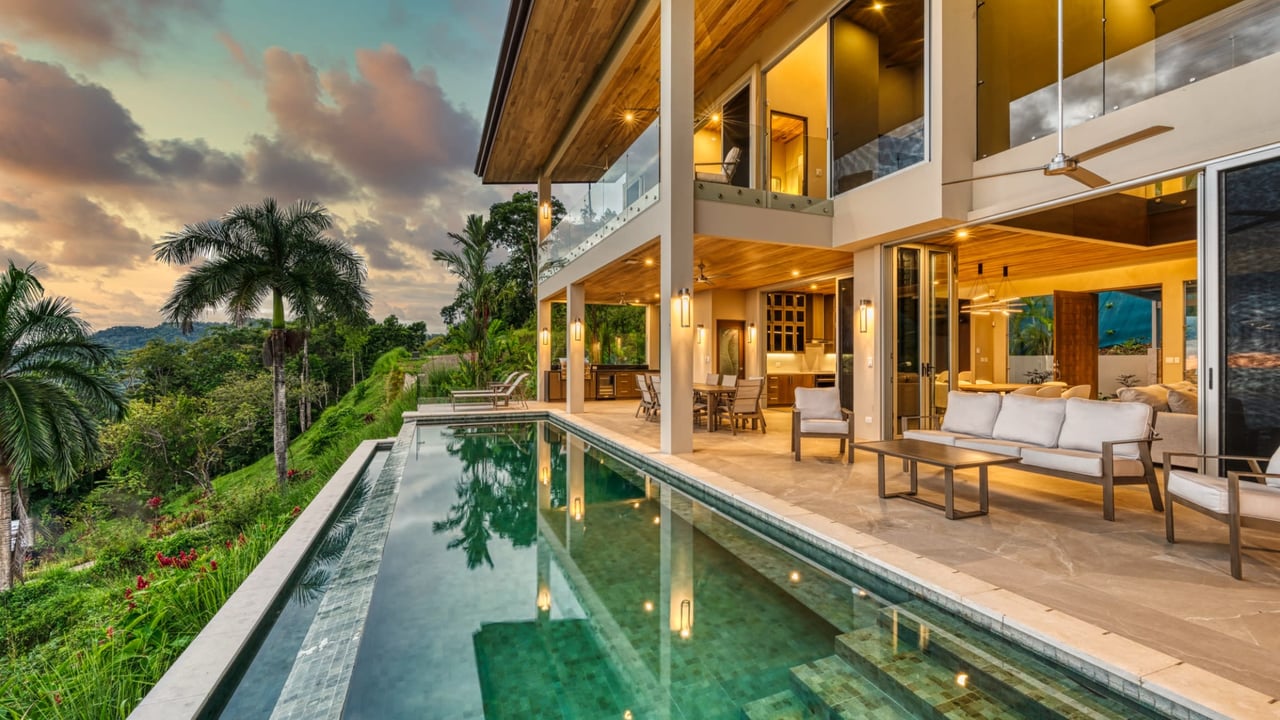
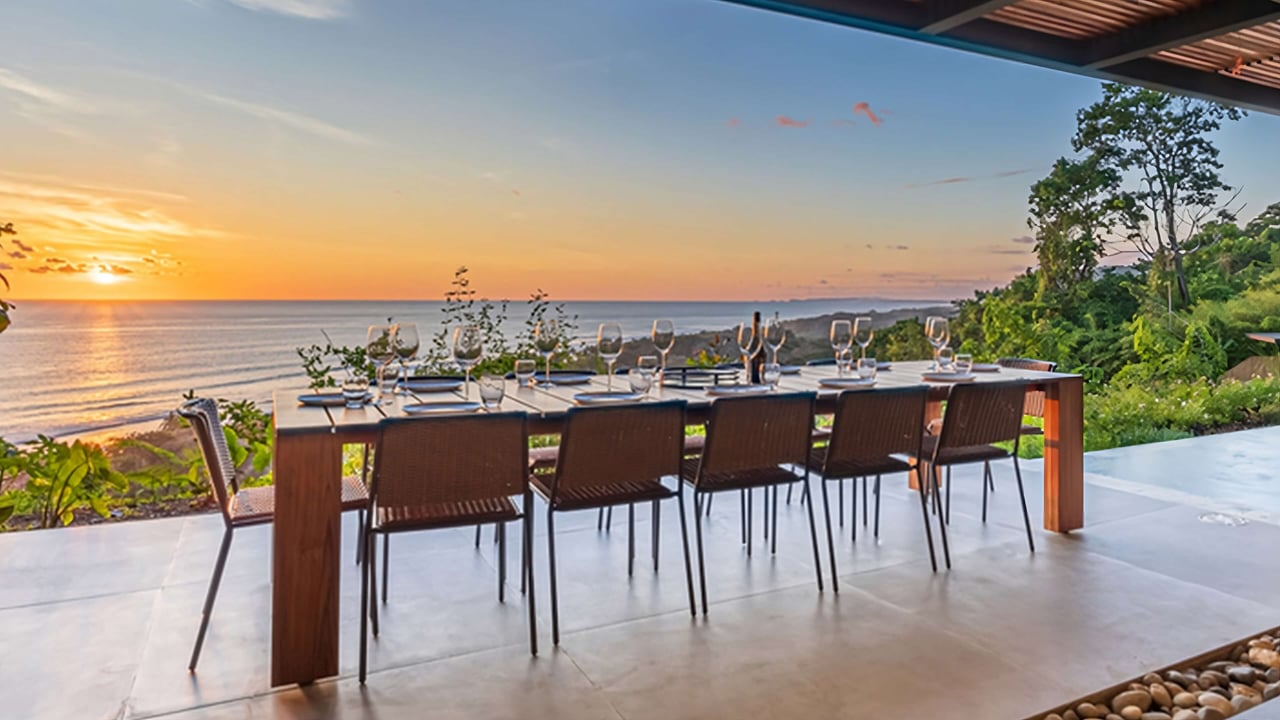
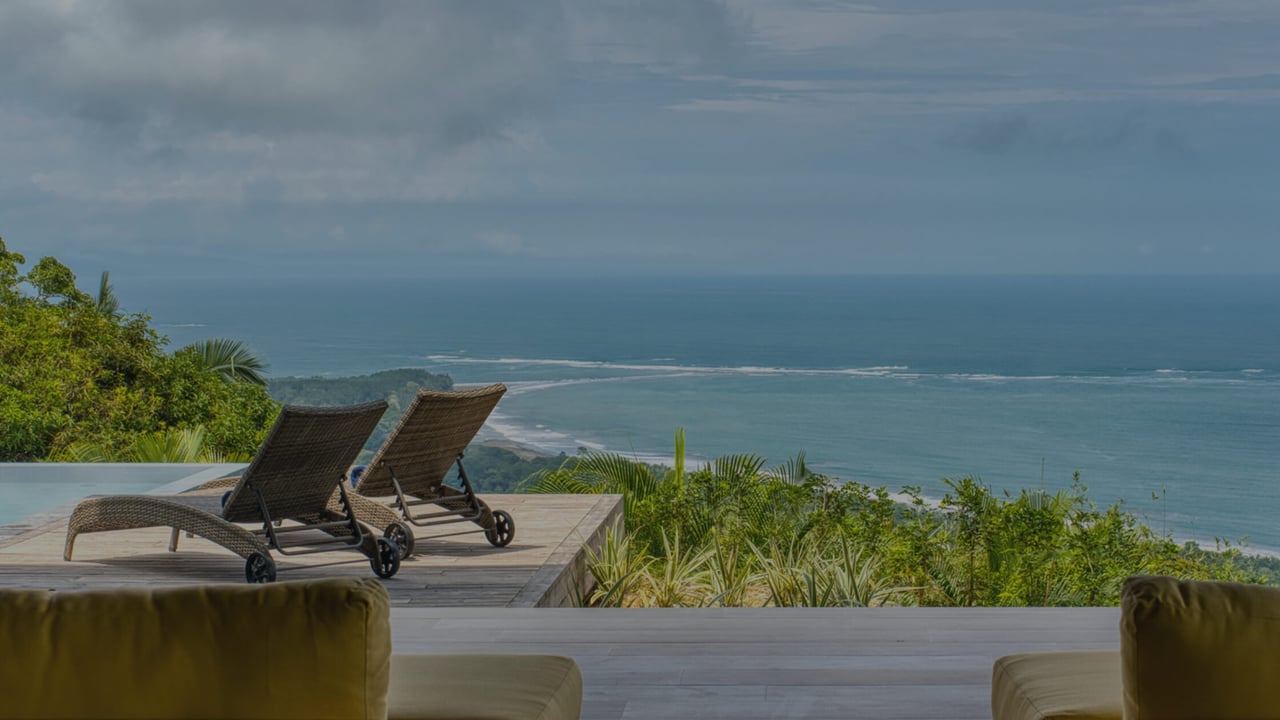
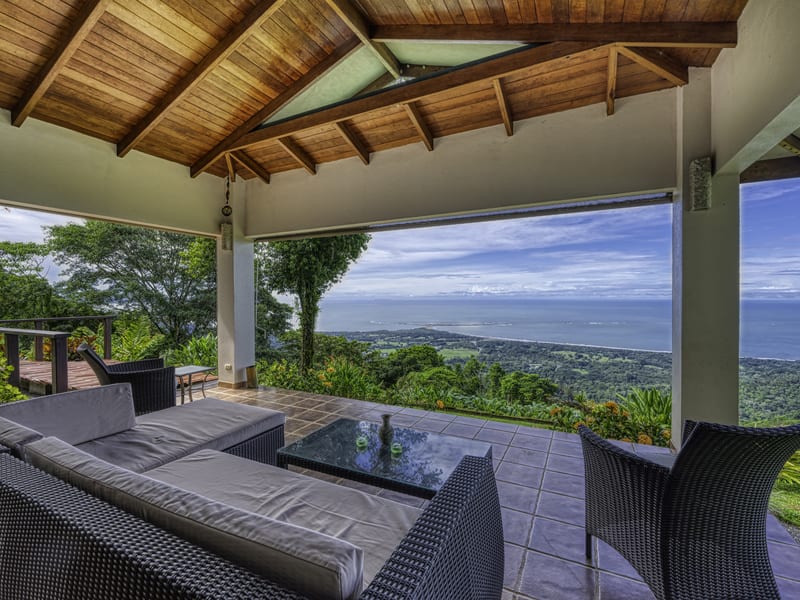
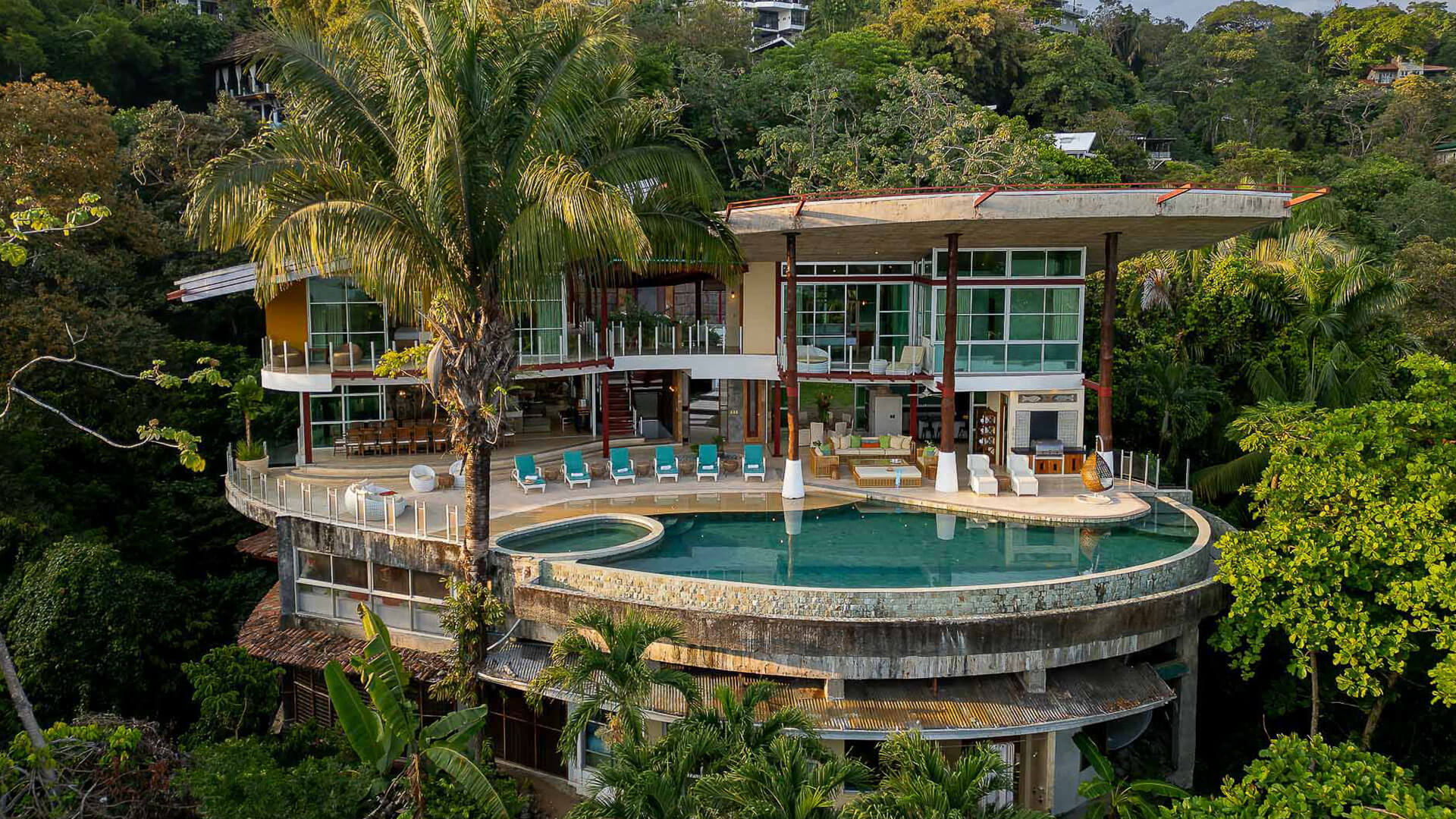
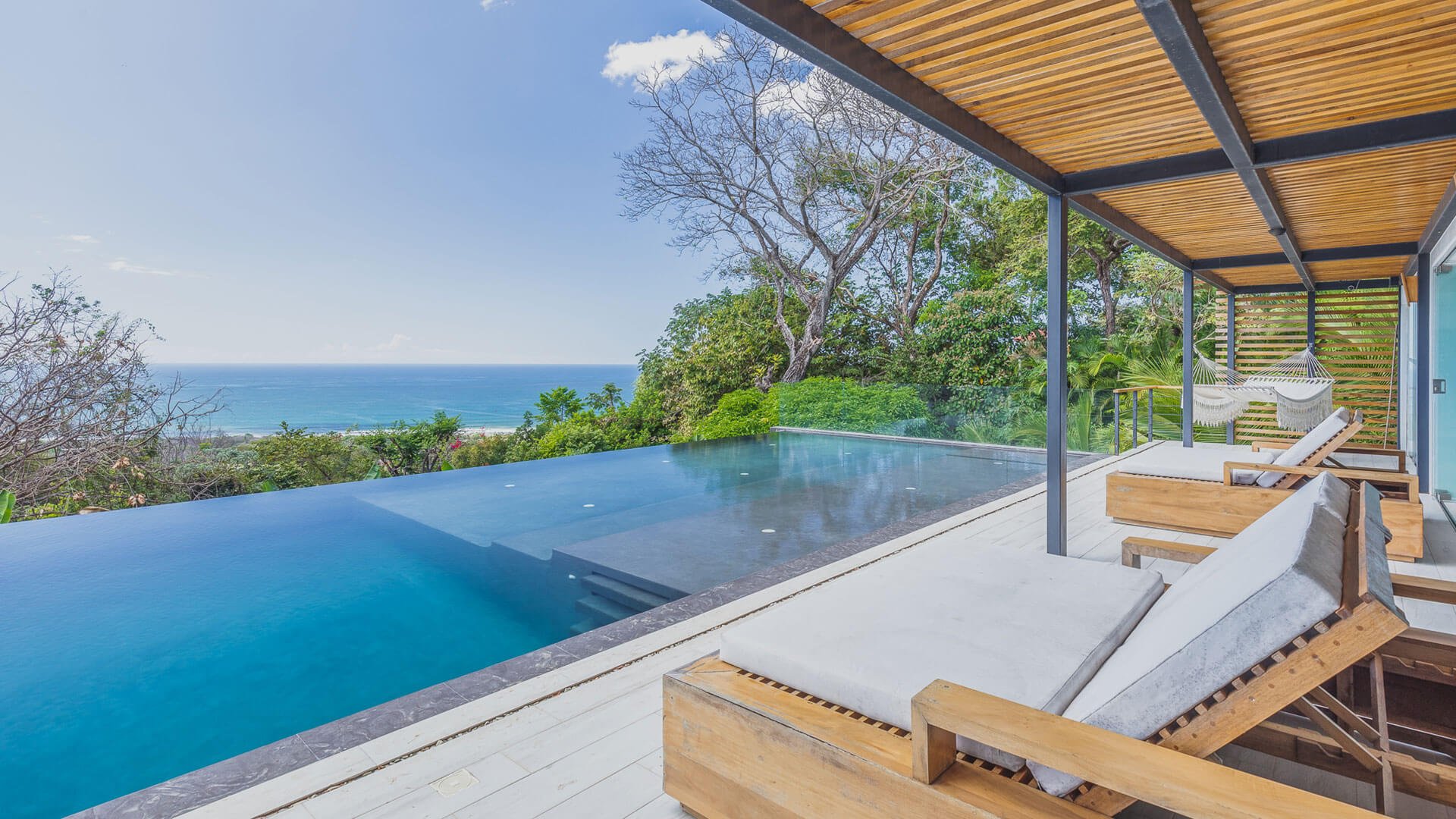
In my day-to-day work, Costa Ballena and the Southern Zone stand out. Areas like Dominical, Uvita, Ojochal, and the surrounding mountain corridors consistently attract buyers because they deliver dramatic ocean views paired with protected nature. The visual impact is real and repeatable. The wellness and outdoor lifestyle aligns perfectly with global demand. And perhaps most importantly, there is a genuine scarcity of the best ocean-view parcels and turnkey modern homes.
These areas also appeal strongly to privacy-oriented buyers who still want access to town, services, and community without feeling exposed or overdeveloped. That balance is difficult to replicate and increasingly valuable.
At the same time, Guanacaste remains a powerful magnet, especially for clients who want a more plug-and-play second-home experience. Established luxury developments, stronger infrastructure density, and a higher concentration of turnkey inventory continue to draw interest. In particular, the Four Seasons and surrounding Papagayo corridor stand out for buyers who value branded environments, managed services, and global recognition alongside lifestyle.
These are different buyer profiles, but both reflect the same underlying theme: Capital is moving toward places that combine lifestyle certainty with market depth.
Where I See Long-Term Opportunity That Is Not Fully Priced In
The most compelling long-term opportunities in Costa Rica are rarely in the most obvious places. They tend to sit at the intersection of improving livability, constrained land supply, and still-emerging brand identity.
In practice, this often means micro-markets just outside the most famous hubs. They are close enough to benefit from established demand, but not yet priced at peak premiums. Large ocean-view land with clean fundamentals remains particularly attractive when water pathways, access, title clarity, and realistic build envelopes are already in place.
In the Southern Zone, I continue to see value pockets along select ridgelines and neighborhoods where the views and privacy are truly world-class, but the area has not yet reached full international luxury saturation. These opportunities require patience and careful analysis, but they offer meaningful upside when aligned with low-density, high-end concepts that fit both the terrain and the market’s direction.
The same logic applies in parts of Guanacaste beyond the most established nodes. Areas that benefit from nearby infrastructure and services, but still allow for thoughtful, well-positioned development, are where long-term value can be created.
How I Advise Private Clients in This Environment
One of the most important points I emphasize with clients is that Costa Rica is not one market. It is a collection of micro-markets, each with its own liquidity profile, infrastructure realities, and buyer pool. The right question is never simply whether Costa Rica is a good buy. It’s which micro-market and which asset type best align with the client’s goals.
My advisory process is built around that premise. We start by clarifying use, risk tolerance, and time horizon. We then focus on execution. That includes legal readiness, water verification, access analysis, noise and privacy considerations, and realistic assumptions around building or rental performance.
What consistently separates successful outcomes from disappointing ones is attention to detail. The best deals here are not always the cheapest. They are the ones with the fewest hidden obstacles and the clearest path forward.
How to Think About Costa Rica Over the Next 10 Years
Over the next decade, I encourage clients to think of Costa Rica as a long-duration quality asset market, not a short-term trade.
Prime assets will continue to separate from average assets. The best locations, those with view corridors, privacy, easy access, and legal readiness, will become increasingly scarce. The country’s global positioning favors it. Wellness, nature, sustainability, and lifestyle migration are not passing trends; they are structural forces.
Liquidity will continue to concentrate in the strongest micro-markets. If you buy in a place with consistent global demand and you buy the right property, the downside risk is lower, and the resale markets are deeper. The goal should always be use plus resilience. A property should be enjoyable, rentable if needed, and sellable without heroics.
That is how wealth moves wisely in Costa Rica in 2026 and beyond.

Let’s Work Together
If you’re evaluating private client real estate investments, development opportunities, or relocation planning in Costa Rica, I invite you to schedule a private consultation directly with me. The right strategy starts with clarity, not speculation.
Together, we’ll identify the right regions, properties, and structures to help you build a secure, fulfilling life in Costa Rica. Schedule a private consultation.